Lingual nerve
Nervus lingualis
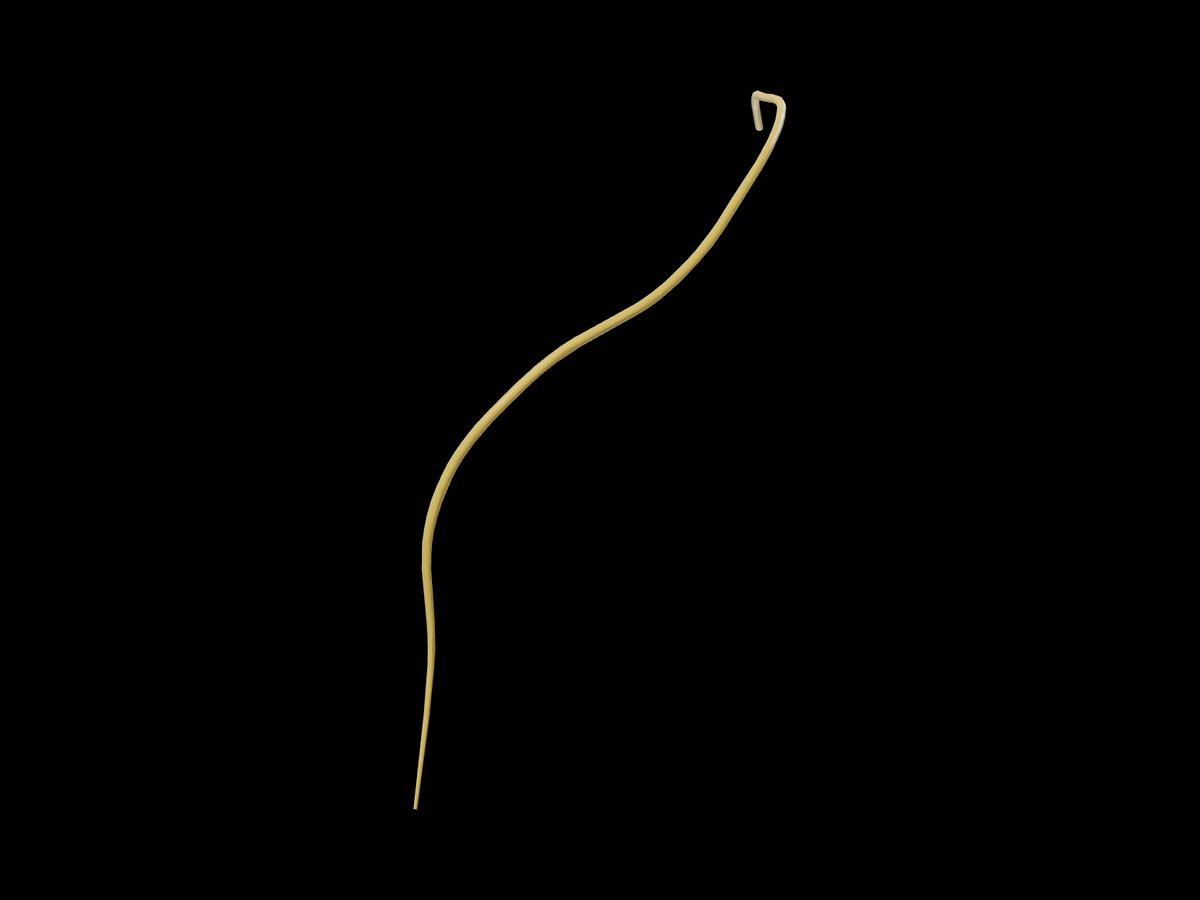
The lingual nerve carries general sensation from the front two-thirds of the tongue. It also carries taste fibres and secretory fibres it receives from the chorda tympani.
Other names: Nervus lingualis (Latin) · Nerf lingual (French) · Nervio lingual (Spanish) · Nervo lingual (Portuguese)
Key facts
- Type
- Sensory branch of the mandibular nerve
- Course
- Is joined by the chorda tympani beneath the lateral pterygoid, runs down between the medial pterygoid and the ramus, passes close to the inner surface of the mandible near the third molar, loops under the submandibular duct and enters the tongue.
- Function
- Touch, pain and temperature from the front two-thirds of the tongue and floor of the mouth; carries taste and fibres to the submandibular ganglion.
Clinical notes
- It lies just under the lining beside the lower wisdom tooth, so it can be injured during its removal, causing numbness and loss of taste on that side of the tongue
Quick answers
What is the course of the lingual nerve?
Is joined by the chorda tympani beneath the lateral pterygoid, runs down between the medial pterygoid and the ramus, passes close to the inner surface of the mandible near the third molar, loops under the submandibular duct and enters the tongue.
What does the lingual nerve do?
Touch, pain and temperature from the front two-thirds of the tongue and floor of the mouth; carries taste and fibres to the submandibular ganglion.
Notes written for anatmy3d and checked against Gray’s Anatomy, Moore’s Clinically Oriented Anatomy and Netter. Last reviewed .