Posterior root of spinal nerve
Radix posterior nervi spinalis
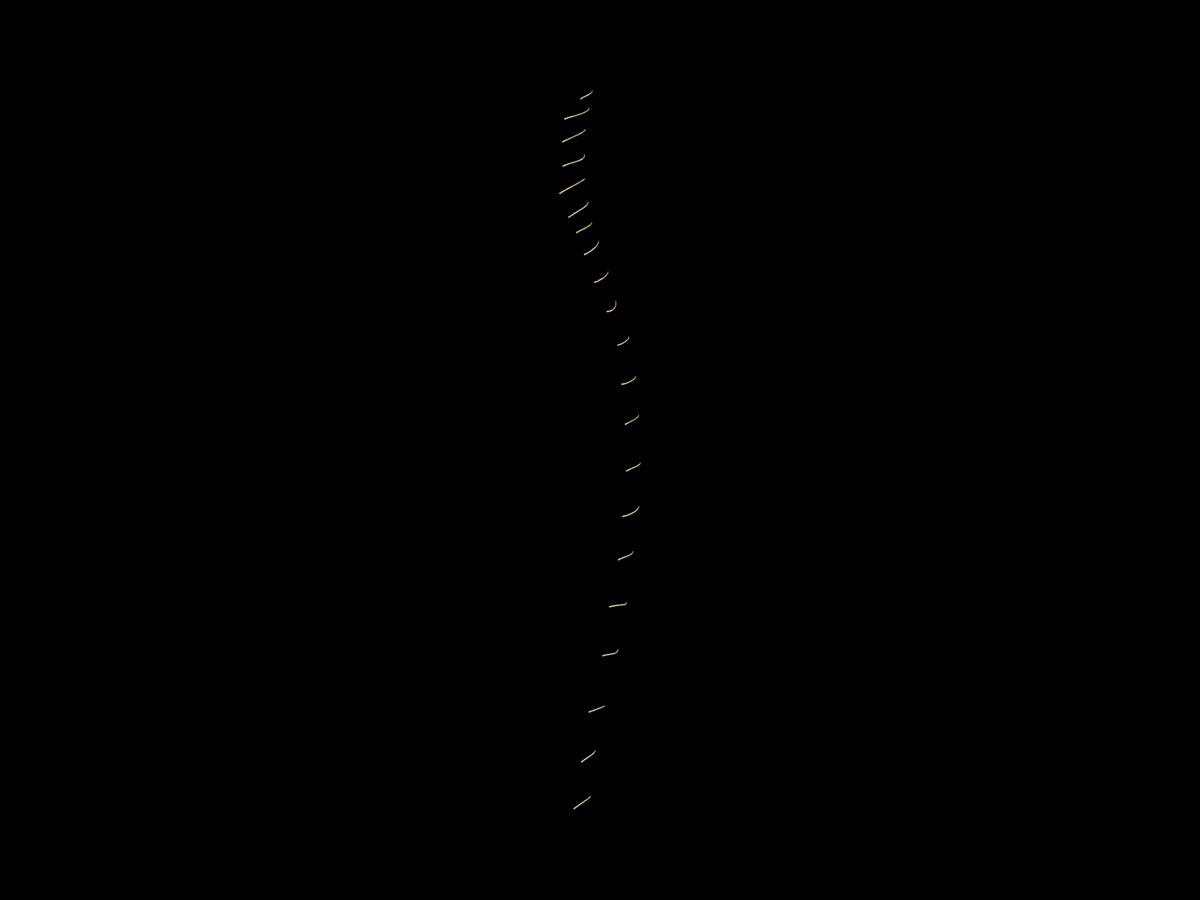
The posterior (dorsal) root carries sensory fibres into the spinal cord. Its swelling, the spinal ganglion, holds the cell bodies of the sensory neurons.
Other names: Radix posterior nervi spinalis (Latin) · Racine postérieure (sensitive) du nerf spinal (French) · Raíz posterior del nervio espinal (Spanish) · Raiz posterior do nervo espinhal (Portuguese)
Key facts
- Type
- Spinal nerve root (sensory)
- Course
- Runs from the spinal ganglion in the intervertebral foramen to the spinal cord, entering as rootlets along the posterolateral sulcus.
- Function
- Carries touch, pain, temperature, position and visceral sensation into the cord.
Clinical notes
- Compression causes pain, tingling and numbness in a strip of skin (dermatome), such as sciatica from an L5 or S1 root
- Shingles reactivates in the sensory ganglion and spreads along the root's dermatome
Quick answers
What is the course of the posterior root of spinal nerve?
Runs from the spinal ganglion in the intervertebral foramen to the spinal cord, entering as rootlets along the posterolateral sulcus.
What does the posterior root of spinal nerve do?
Carries touch, pain, temperature, position and visceral sensation into the cord.
Notes written for anatmy3d and checked against Gray’s Anatomy, Moore’s Clinically Oriented Anatomy and Netter. Last reviewed .