Pudendal nerve
Nervus pudendalis
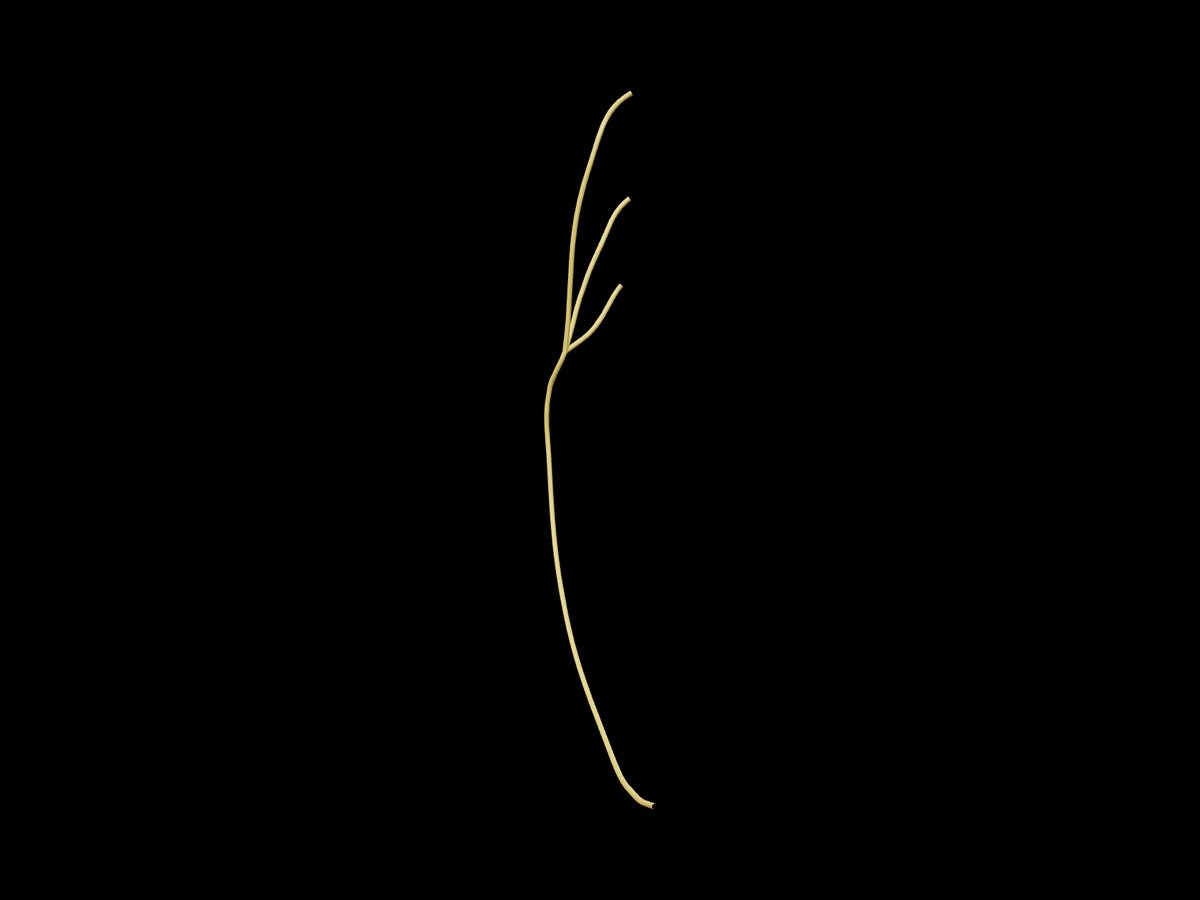
The pudendal nerve is the main nerve of the perineum. It supplies the external anal and urethral sphincters, the pelvic floor and the skin of the external genitals.
Other names: Nervus pudendalis (Latin) · Nerf pudendal (French) · Nervio pudendo (Spanish) · Nervo pudendo (Portuguese)
Key facts
- Type
- Branch of the sacral plexus (S2–S4)
- Branches
- Inferior rectal nerve, perineal nerve, dorsal nerve of the penis or clitoris
- Course
- Leaves the pelvis through the greater sciatic foramen below piriformis, curves around the sacrospinous ligament near the ischial spine, re-enters through the lesser sciatic foramen and runs forward in the pudendal canal on the side wall of the ischio-anal fossa.
- Function
- Voluntary control of urination and defecation; sensation of the perineum and genitals; sexual function.
Clinical notes
- Stretching in childbirth can contribute to incontinence
- Entrapment causes pudendal neuralgia: burning perineal pain worse when sitting
- A pudendal nerve block near the ischial spine numbs the perineum for childbirth or procedures
Quick answers
What is the course of the pudendal nerve?
Leaves the pelvis through the greater sciatic foramen below piriformis, curves around the sacrospinous ligament near the ischial spine, re-enters through the lesser sciatic foramen and runs forward in the pudendal canal on the side wall of the ischio-anal fossa.
What does the pudendal nerve do?
Voluntary control of urination and defecation; sensation of the perineum and genitals; sexual function.
What are the branches of the pudendal nerve?
Inferior rectal nerve, perineal nerve, dorsal nerve of the penis or clitoris
Notes written for anatmy3d and checked against Gray’s Anatomy, Moore’s Clinically Oriented Anatomy and Netter. Last reviewed .