ArteriesSystemic arteries
Proximal lateral striate branches
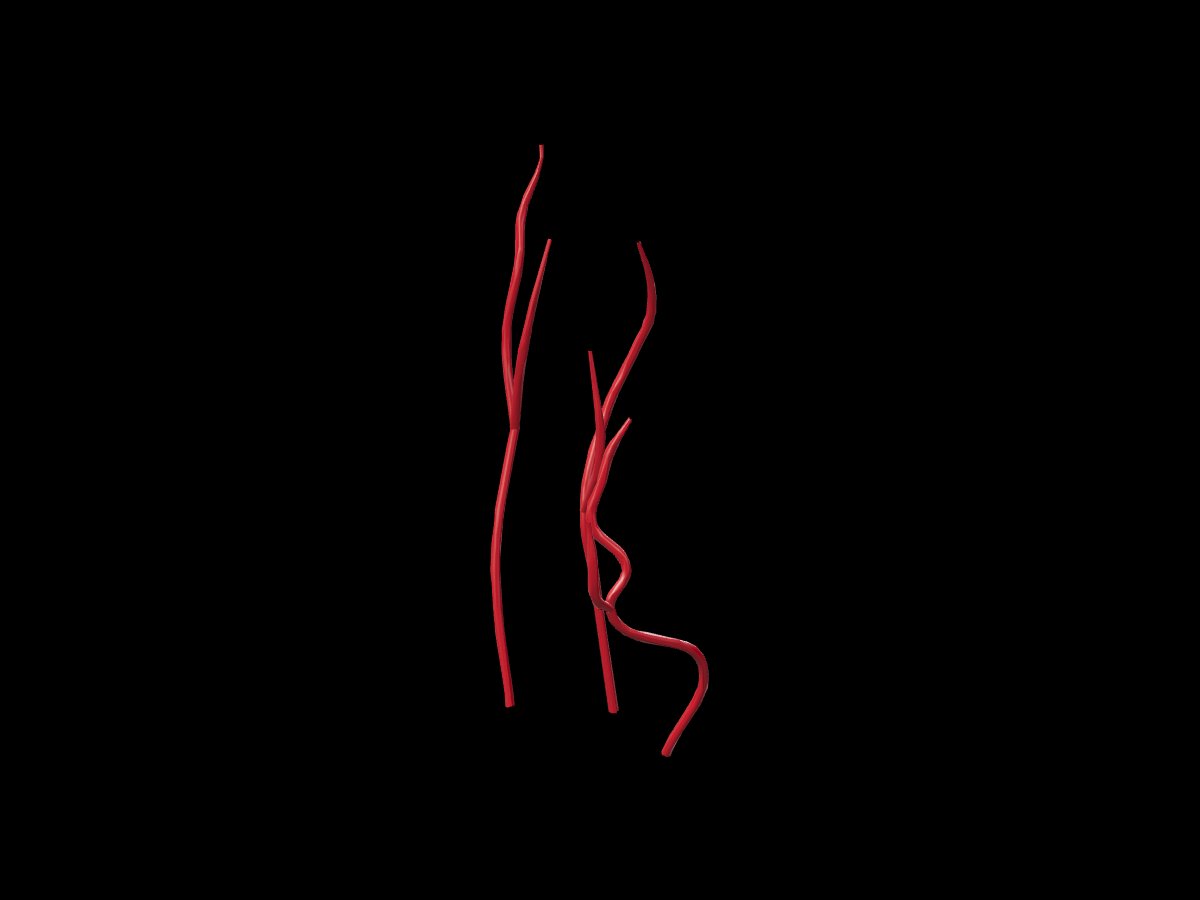
The proximal lateral striate (lenticulostriate) branches are small perforating arteries from the first part of the middle cerebral artery that pass up into the deep grey matter of the brain.
Key facts
- Type
- Perforating end arteries
- Supplies
- Lentiform nucleus (putamen and globus pallidus), caudate nucleus and the internal capsule
- Course
- Arise from the M1 segment near its start and enter the brain through the anterior perforated substance.
- Function
- Carry oxygen-rich blood up through the anterior perforated substance into the putamen, globus pallidus, caudate and internal capsule; as end arteries they have no backup, so blocking one leaves a small deep infarct.
Clinical notes
- Blockage of one causes a small deep (lacunar) stroke, often a pure weakness of the opposite side
- Long-standing high blood pressure damages them, making them the commonest source of bleeding inside the brain (putaminal haemorrhage)
Quick answers
What is the course of the proximal lateral striate branches?
Arise from the M1 segment near its start and enter the brain through the anterior perforated substance.
What do the proximal lateral striate branches supply?
Lentiform nucleus (putamen and globus pallidus), caudate nucleus and the internal capsule
Notes written for anatmy3d and checked against Gray’s Anatomy, Moore’s Clinically Oriented Anatomy and Netter. Last reviewed .