Proper hepatic artery
Arteria hepatica propria
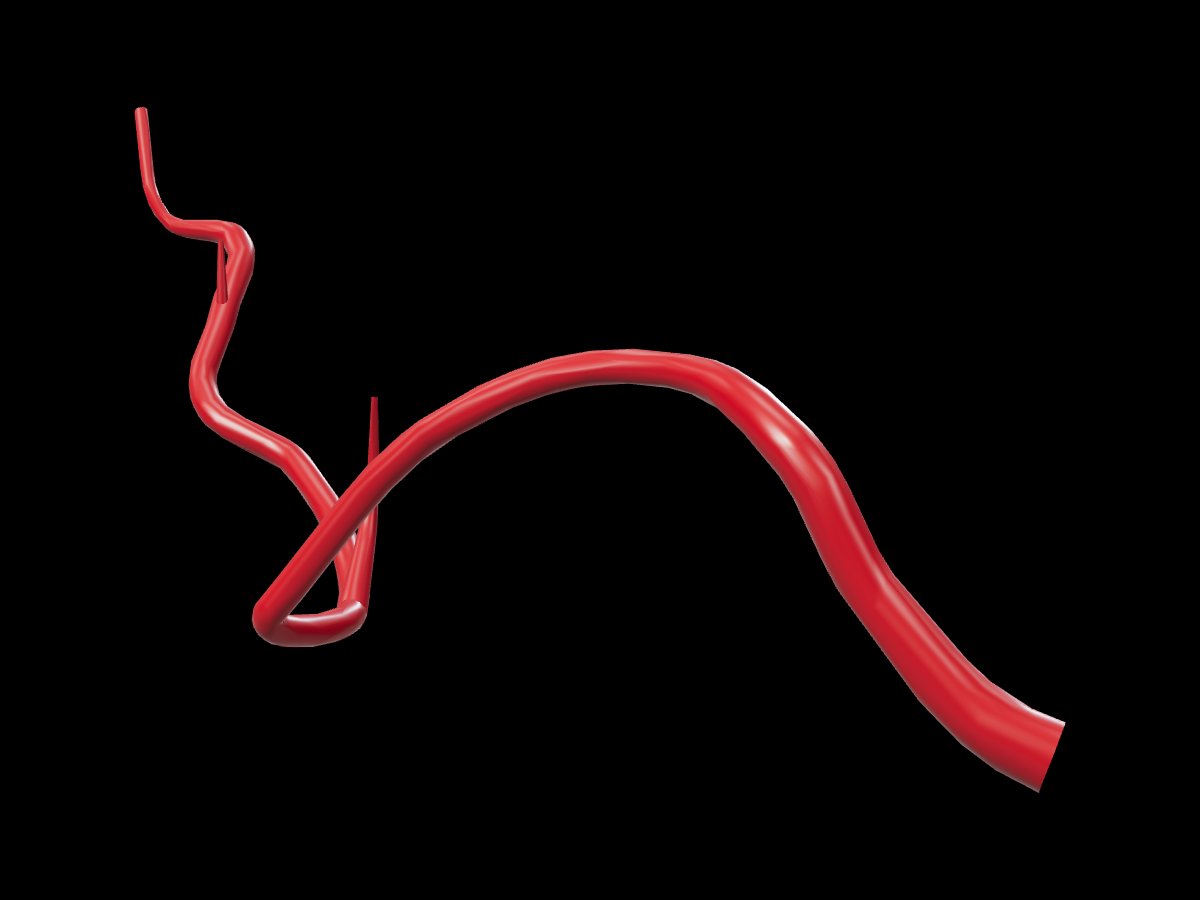
The proper hepatic artery carries oxygen-rich blood to the liver. It ascends in the free edge of the lesser omentum together with the bile duct and portal vein.
Other names: Arteria hepatica propria (Latin) · Artère hépatique propre (French) · Arteria hepática propia (Spanish) · Artéria hepática própria (Portuguese)
Key facts
- Type
- Muscular artery
- Supplies
- Liver (about a quarter of its blood but around half its oxygen), bile ducts and gallbladder
- Branches
- Right and left hepatic arteries (the right gives the cystic artery to the gallbladder); often the right gastric artery
- Course
- Continues the common hepatic artery up in the hepatoduodenal ligament, to the left of the bile duct and in front of the portal vein, and divides into right and left hepatic arteries near the porta hepatis.
- Function
- Delivers about a quarter of the liver's blood but around half its oxygen, the rest coming in the portal vein; its branches are also the main blood supply of the bile ducts.
Clinical notes
- Squeezing the hepatoduodenal ligament between finger and thumb (Pringle manoeuvre) stops inflow to the liver during bleeding or surgery
- The bile ducts depend on it for blood, so its blockage after liver transplantation can damage them
Quick answers
What is the course of the proper hepatic artery?
Continues the common hepatic artery up in the hepatoduodenal ligament, to the left of the bile duct and in front of the portal vein, and divides into right and left hepatic arteries near the porta hepatis.
What are the branches of the proper hepatic artery?
Right and left hepatic arteries (the right gives the cystic artery to the gallbladder); often the right gastric artery
What does the proper hepatic artery supply?
Liver (about a quarter of its blood but around half its oxygen), bile ducts and gallbladder
Notes written for anatmy3d and checked against Gray’s Anatomy, Moore’s Clinically Oriented Anatomy and Netter. Last reviewed .