Quadratus femoris muscle
Musculus quadratus femoris
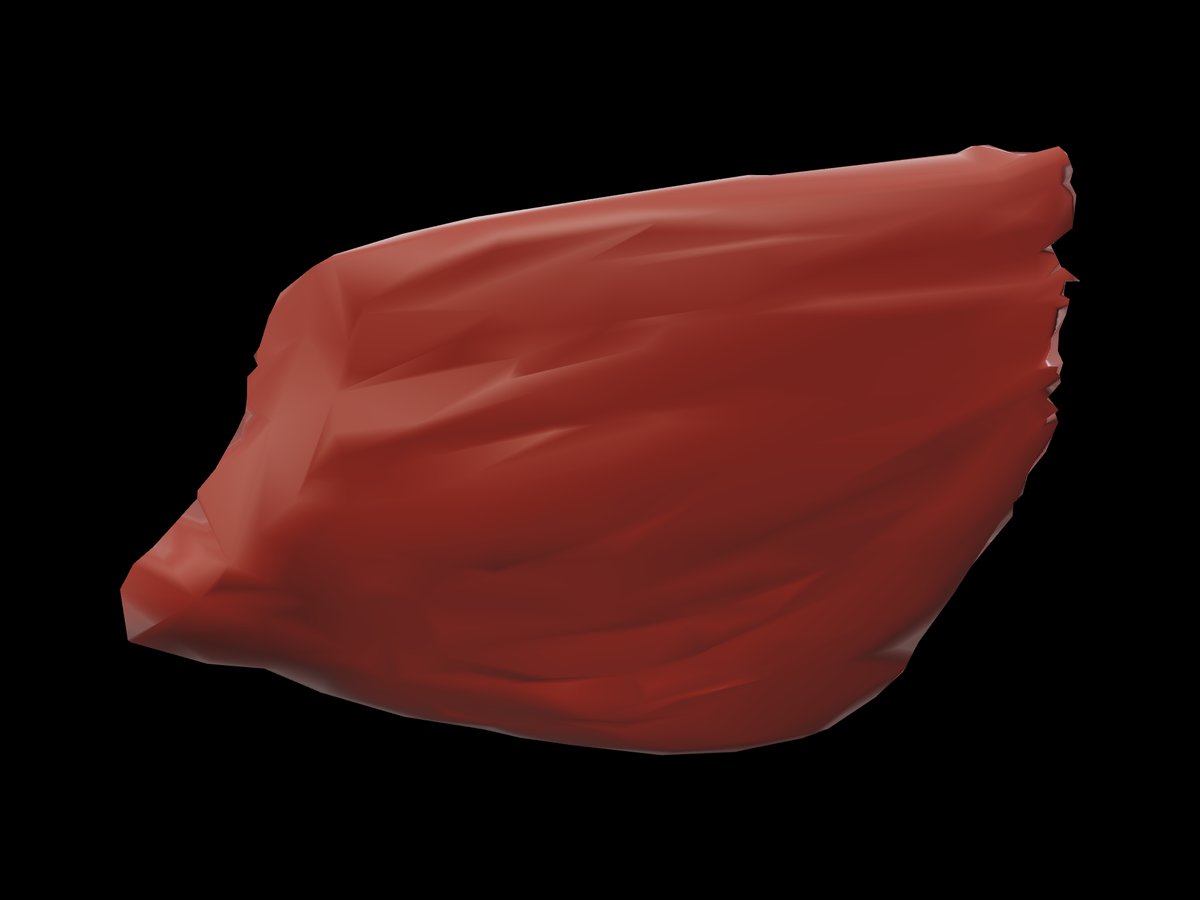
Quadratus femoris is a flat, rectangular muscle running from the ischial tuberosity to the back of the femur. It is a strong lateral rotator of the hip.
Other names: Musculus quadratus femoris (Latin) · Muscle carré fémoral (French) · Músculo cuadrado femoral (Spanish) · Músculo quadrado femoral (Portuguese)
Key facts
- Origin
- Lateral border of the ischial tuberosity
- Insertion
- Quadrate tubercle on the intertrochanteric crest
- Action
- Laterally rotates the thigh; stabilises the hip
- Nerve supply
- Nerve to quadratus femoris (L4–S1)
- Arterial supply
- Medial circumflex femoral artery
- Function
- Laterally rotates and adducts the hip.
Location and relations
Lowest of the short external rotators, below the inferior gemellus and above adductor magnus; the medial circumflex femoral artery lies close to it.
Clinical notes
- Ischiofemoral impingement: the muscle is squeezed between the ischium and lesser trochanter, causing buttock pain
- Branches of the medial circumflex femoral artery to the femoral head run nearby, so it is preserved in hip surgery to protect the blood supply
Quick answers
What are the origin and insertion of the quadratus femoris muscle?
Origin: Lateral border of the ischial tuberosity. Insertion: Quadrate tubercle on the intertrochanteric crest.
What does the quadratus femoris muscle do?
Laterally rotates the thigh; stabilises the hip
What is the nerve supply of the quadratus femoris muscle?
Nerve to quadratus femoris (L4–S1)
What is the blood supply of the quadratus femoris muscle?
Medial circumflex femoral artery
Where is the quadratus femoris muscle located?
Lowest of the short external rotators, below the inferior gemellus and above adductor magnus; the medial circumflex femoral artery lies close to it.
Notes written for anatmy3d and checked against Gray’s Anatomy, Moore’s Clinically Oriented Anatomy and Netter. Last reviewed .