MusclesMuscles of the lower limb
Psoas major
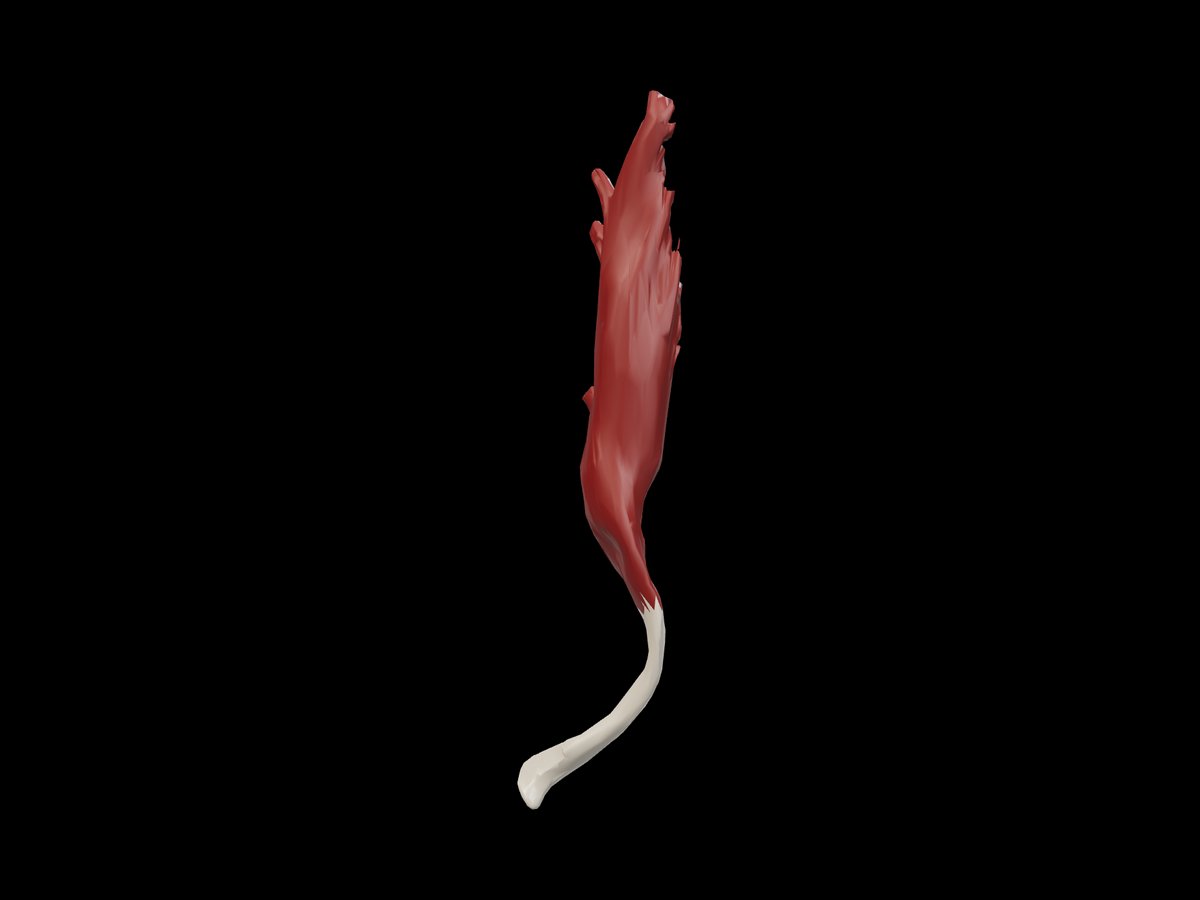
Psoas major is a long, thick muscle running from the lumbar spine through the pelvis to the lesser trochanter of the femur. With iliacus it forms iliopsoas, the strongest flexor of the hip.
Other names: Grand psoas (French) · Psoas mayor (Spanish)
Key facts
- Origin
- Transverse processes of L1–L5; sides of the bodies of T12–L5 and their discs
- Insertion
- Lesser trochanter of the femur (as iliopsoas)
- Action
- Flexes the hip; flexes the trunk laterally; balances the trunk when sitting
- Nerve supply
- Anterior rami of the lumbar nerves (L1–L3)
- Arterial supply
- Lumbar and iliolumbar arteries
- Function
- Flexes the hip and helps flex and bend the lumbar spine to the side; steadies the lumbar spine in standing and sitting.
Location and relations
Beside the lumbar vertebral bodies, behind the abdominal organs; the lumbar plexus forms inside it, and the femoral nerve emerges from its lateral border.
Surface anatomy
Not palpable; the psoas test (passive extension of the hip, or flexing it against resistance) provokes pain when it is irritated.
Clinical notes
- A psoas sign (pain on hip extension) can indicate a retrocaecal appendicitis or psoas abscess
- Psoas abscess, historically from spinal tuberculosis, can track to the groin and present as a lump below the inguinal ligament
Quick answers
What are the origin and insertion of the psoas major?
Origin: Transverse processes of L1–L5; sides of the bodies of T12–L5 and their discs. Insertion: Lesser trochanter of the femur (as iliopsoas).
What does the psoas major do?
Flexes the hip; flexes the trunk laterally; balances the trunk when sitting
What is the nerve supply of the psoas major?
Anterior rami of the lumbar nerves (L1–L3)
What is the blood supply of the psoas major?
Lumbar and iliolumbar arteries
Where is the psoas major located?
Beside the lumbar vertebral bodies, behind the abdominal organs; the lumbar plexus forms inside it, and the femoral nerve emerges from its lateral border.
Notes written for anatmy3d and checked against Gray’s Anatomy, Moore’s Clinically Oriented Anatomy and Netter. Last reviewed .