Lymphatic systemThymus
Right lobe of thymus
Lobus thymi dextri
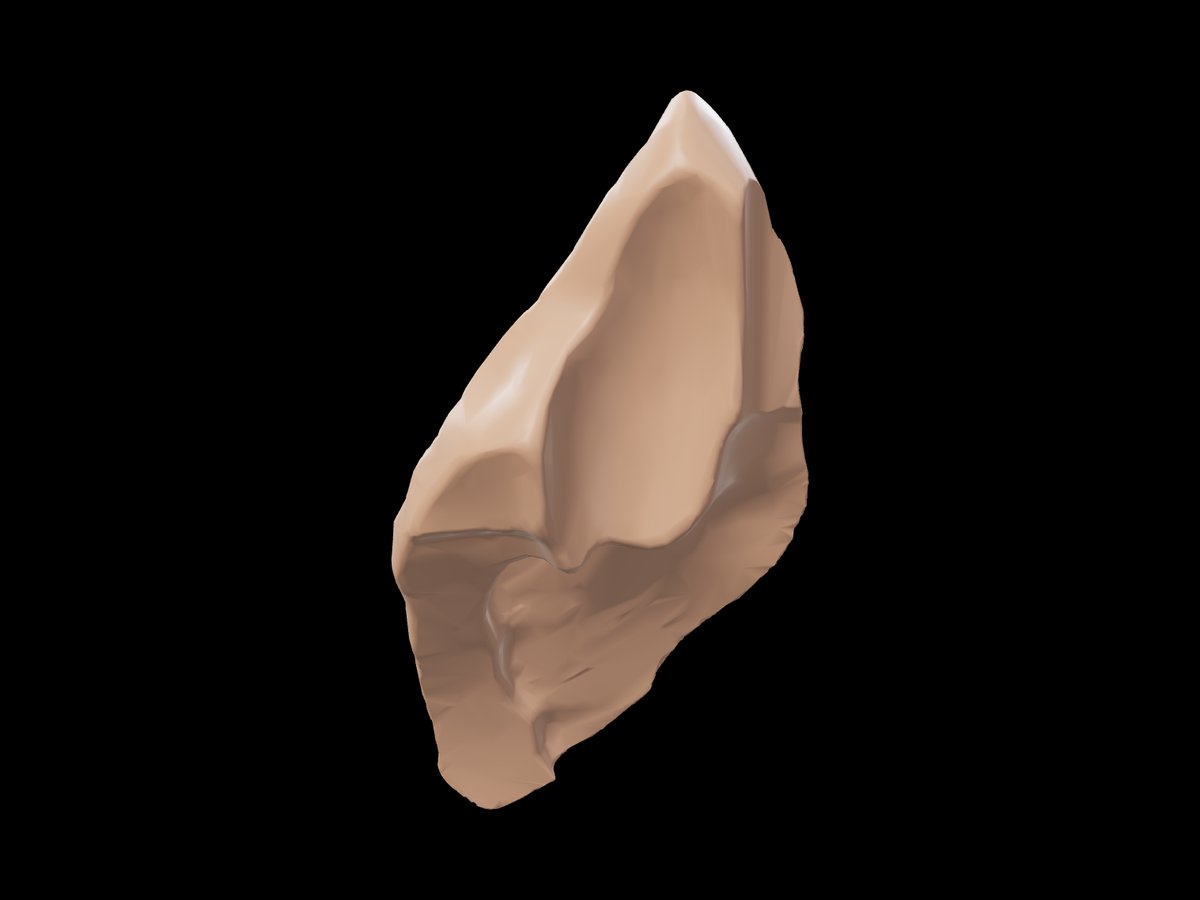
The right lobe of the thymus is one of the two lobes of the thymus, the organ where T lymphocytes mature. It is large in childhood and gradually replaced by fat after puberty.
Other names: Lobus thymi dextri (Latin) · Lobe droit du thymus (French) · Lóbulo derecho del timo (Spanish) · Lobo direito do timo (Portuguese)
Key facts
- Type
- Primary lymphoid organ
- Arterial supply
- Branches of the internal thoracic and inferior thyroid arteries
- Function
- Trains T cells to recognise invaders while ignoring the body's own tissues.
Location and relations
Anterior superior mediastinum, behind the sternum, in front of the great vessels and pericardium; the two lobes meet in the midline.
Parts and features
Cortex and medulla in many lobules; Hassall's corpuscles in the medulla
Clinical notes
- Tumours of the thymus (thymomas) are linked with myasthenia gravis; removing the thymus can improve the disease
- In babies a large normal thymus can look like a mass on chest X-ray
- Absence of the thymus (as in complete DiGeorge syndrome) causes severe immune deficiency
Quick answers
Where is the right lobe of thymus located?
Anterior superior mediastinum, behind the sternum, in front of the great vessels and pericardium; the two lobes meet in the midline.
What does the right lobe of thymus do?
Trains T cells to recognise invaders while ignoring the body's own tissues.
Notes written for anatmy3d and checked against Gray’s Anatomy, Moore’s Clinically Oriented Anatomy and Netter. Last reviewed .