Right superior pulmonary vein
Vena pulmonalis dextra superior
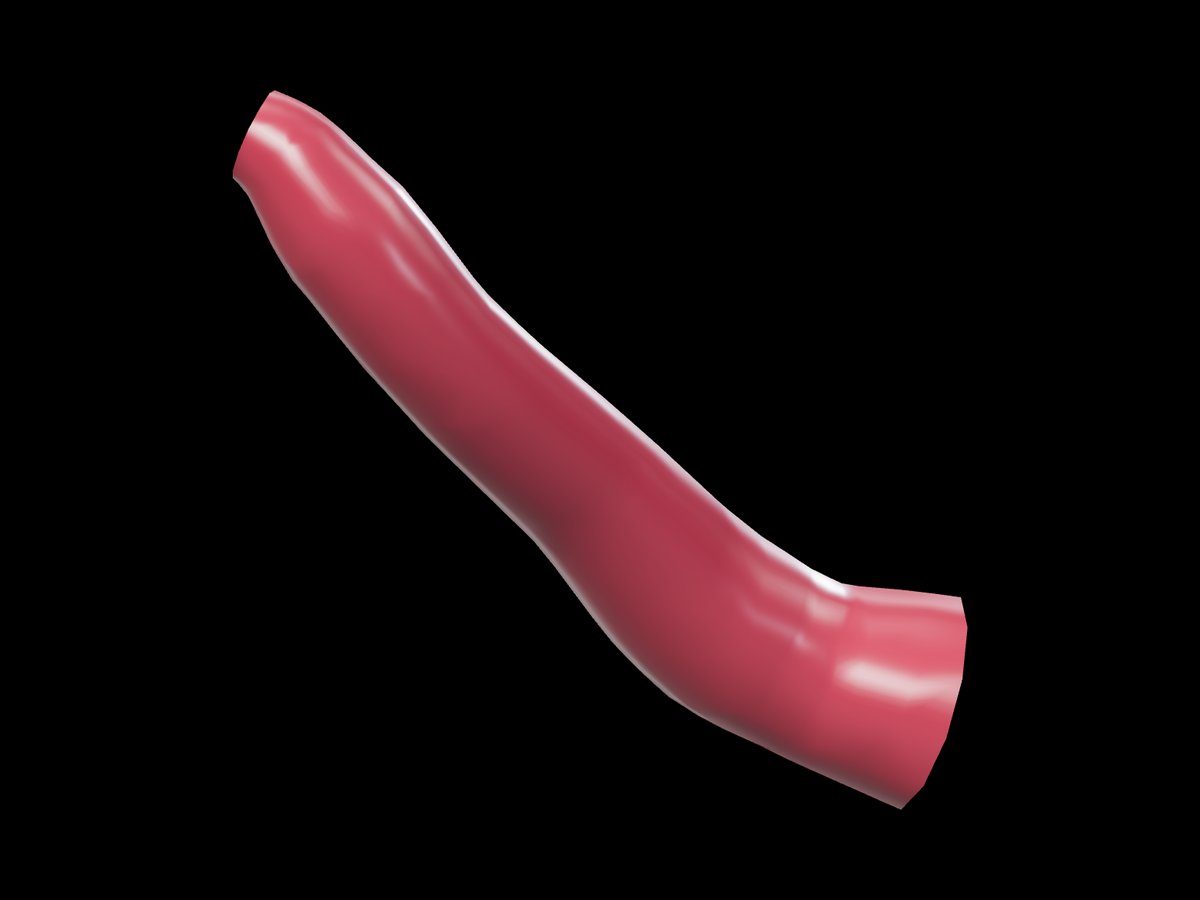
The right superior pulmonary vein carries oxygen-rich blood from the upper and middle lobes of the right lung to the left atrium.
Other names: Vena pulmonalis dextra superior (Latin) · Veine pulmonaire supérieure droite (French) · Vena pulmonar superior derecha (Spanish) · Veia pulmonar superior direita (Portuguese)
Key facts
- Type
- Pulmonary vein
- Drains
- Right upper and middle lobes
- Tributaries
- Apical, anterior and posterior veins (upper lobe); medial and lateral veins (middle lobe)
- Course
- Formed at the right hilum from the veins of the upper and middle lobes, it passes behind the superior vena cava and right atrium to enter the left atrium.
- Function
- Returns oxygen-rich blood from the right upper and middle lobes, passing behind the superior vena cava to the left atrium; like all pulmonary veins it has no valves.
Clinical notes
- Catheter ablation for atrial fibrillation electrically isolates the pulmonary veins where they join the left atrium
- In partial anomalous pulmonary venous drainage it may empty into the superior vena cava instead, often with a sinus venosus atrial septal defect
Quick answers
What is the course of the right superior pulmonary vein?
Formed at the right hilum from the veins of the upper and middle lobes, it passes behind the superior vena cava and right atrium to enter the left atrium.
What are the tributaries of the right superior pulmonary vein?
Apical, anterior and posterior veins (upper lobe); medial and lateral veins (middle lobe)
What does the right superior pulmonary vein drain?
Right upper and middle lobes
Notes written for anatmy3d and checked against Gray’s Anatomy, Moore’s Clinically Oriented Anatomy and Netter. Last reviewed .