ArteriesSystemic arteries
Short posterior ciliary arteries
Arteriae ciliares posteriores breves
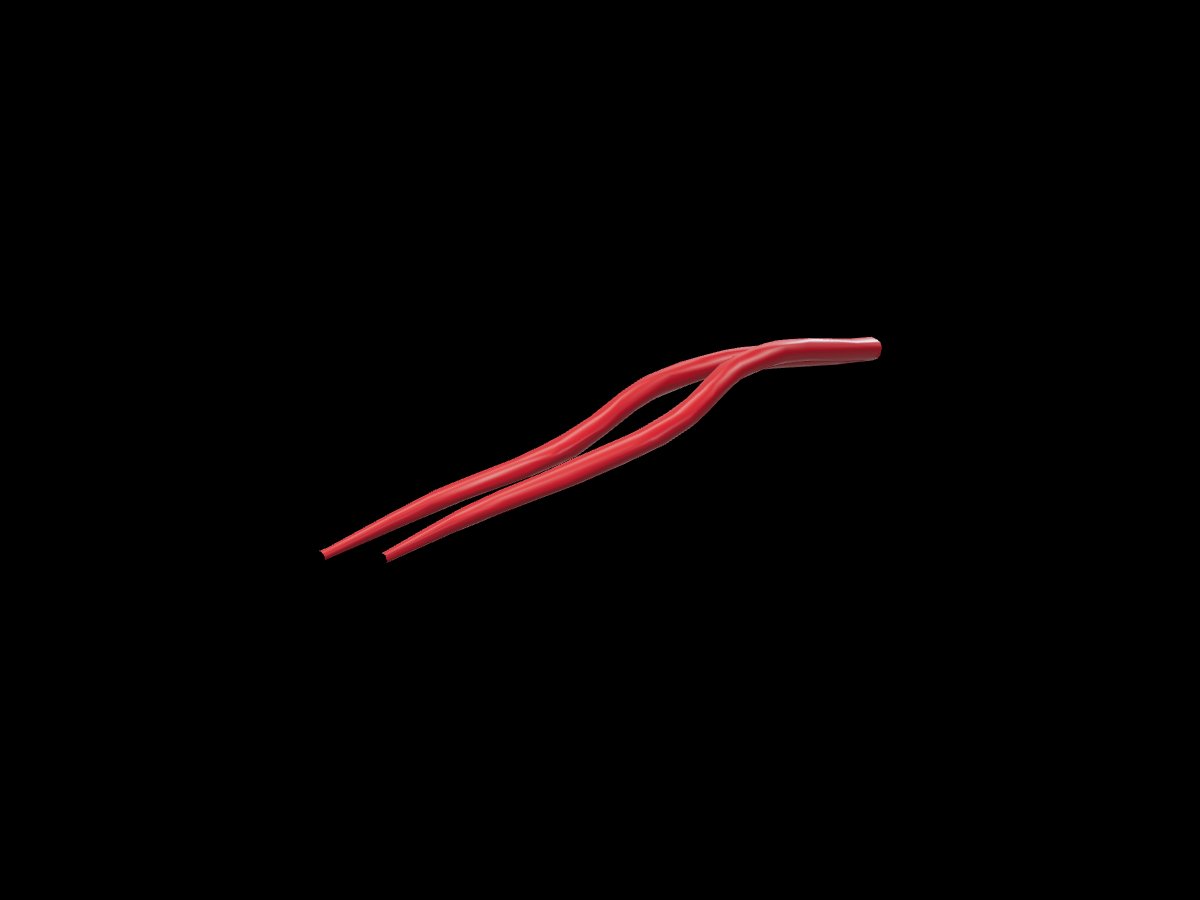
The short posterior ciliary arteries are a ring of small arteries entering the back of the eye around the optic nerve. They supply the choroid and the head of the optic nerve.
Other names: Arteriae ciliares posteriores breves (Latin) · Artères ciliaires postérieures courtes (French) · Arterias ciliares posteriores cortas (Spanish) · Artérias ciliares posteriores curtas (Portuguese)
Key facts
- Type
- Small arteries
- Supplies
- Choroid (which nourishes the light-sensitive outer retina) and the optic nerve head
- Course
- Arise from the ophthalmic artery as a few trunks that divide into many branches piercing the sclera around the optic nerve.
- Function
- Carry oxygen-rich blood into the choroid, whose dense capillaries nourish the light-sensing outer retina, and to the head of the optic nerve.
Clinical notes
- Giant cell arteritis can block them, causing anterior ischaemic optic neuropathy and sudden, often permanent, blindness
- A cilioretinal artery from this circulation, present in some eyes, can preserve central vision when the central retinal artery is blocked
Quick answers
What is the course of the short posterior ciliary arteries?
Arise from the ophthalmic artery as a few trunks that divide into many branches piercing the sclera around the optic nerve.
What do the short posterior ciliary arteries supply?
Choroid (which nourishes the light-sensitive outer retina) and the optic nerve head
Notes written for anatmy3d and checked against Gray’s Anatomy, Moore’s Clinically Oriented Anatomy and Netter. Last reviewed .