ArteriesSystemic arteries
Ophthalmic artery
Arteria ophthalmica
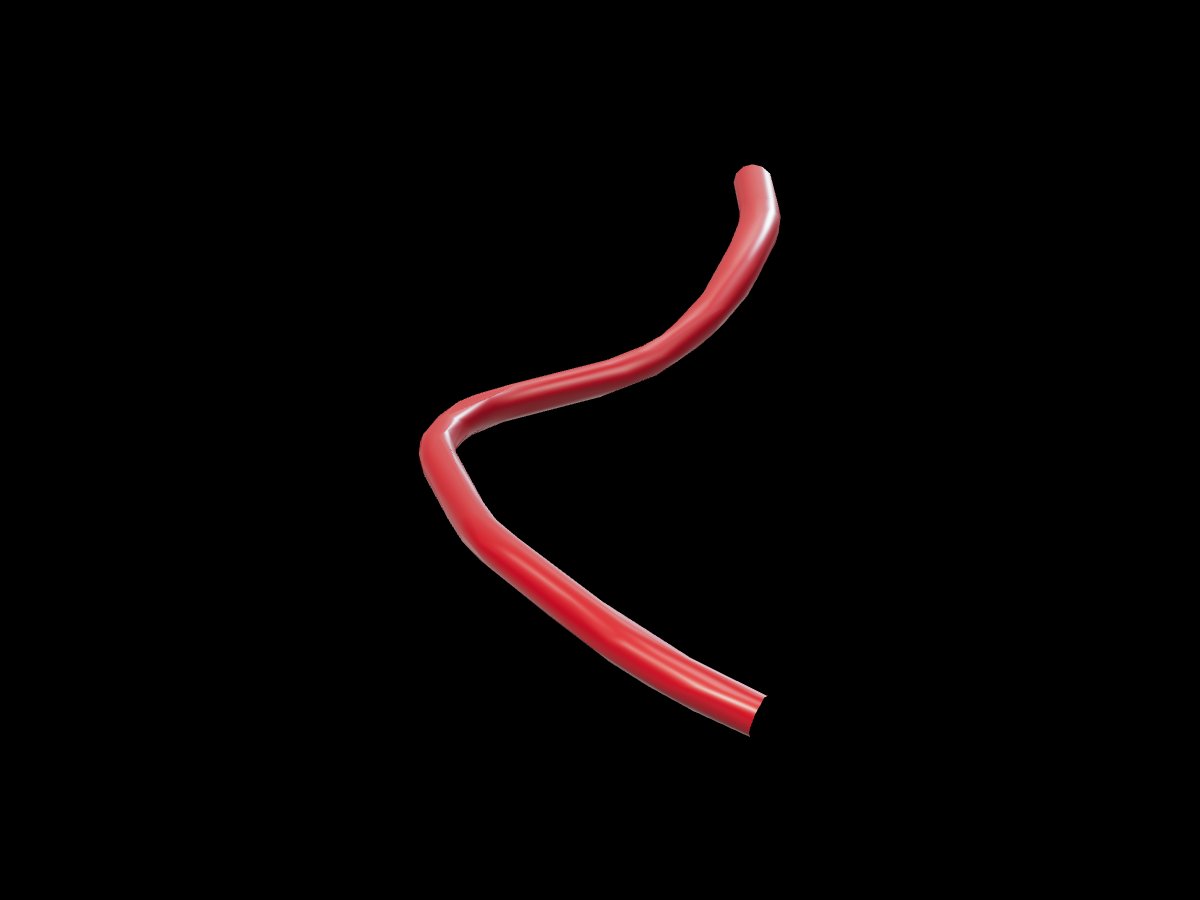
The ophthalmic artery is the first large branch of the internal carotid artery inside the skull. It enters the orbit and supplies the eye, the orbit, the upper eyelid and the forehead.
Other names: Arteria ophthalmica (Latin) · Artère ophtalmique (French) · Arteria oftálmica (Spanish) · Artéria oftálmica (Portuguese)
Key facts
- Type
- Muscular artery
- Supplies
- Eyeball and retina, eye muscles, lacrimal gland, eyelids, nasal cavity, forehead
- Branches
- Central retinal, ciliary, lacrimal, muscular, supra-orbital, ethmoidal, supratrochlear, dorsal nasal and palpebral arteries
- Course
- Arises from the internal carotid just after it leaves the cavernous sinus, passes through the optic canal below the optic nerve and crosses over the nerve to the inner side of the orbit.
- Function
- Carries oxygen-rich blood from the internal carotid into the orbit for the eye, retina, eye muscles, tear gland and forehead; if the internal carotid is blocked, facial branches can fill it backwards to feed the brain.
Clinical notes
- Small clots passing into it cause brief painless loss of vision in one eye (amaurosis fugax), a warning sign of stroke
- When the internal carotid is blocked, blood can flow backwards through it from facial arteries
Quick answers
What is the course of the ophthalmic artery?
Arises from the internal carotid just after it leaves the cavernous sinus, passes through the optic canal below the optic nerve and crosses over the nerve to the inner side of the orbit.
What are the branches of the ophthalmic artery?
Central retinal, ciliary, lacrimal, muscular, supra-orbital, ethmoidal, supratrochlear, dorsal nasal and palpebral arteries
What does the ophthalmic artery supply?
Eyeball and retina, eye muscles, lacrimal gland, eyelids, nasal cavity, forehead
Notes written for anatmy3d and checked against Gray’s Anatomy, Moore’s Clinically Oriented Anatomy and Netter. Last reviewed .