VeinsSystemic veins
Internal jugular vein
Vena jugularis interna
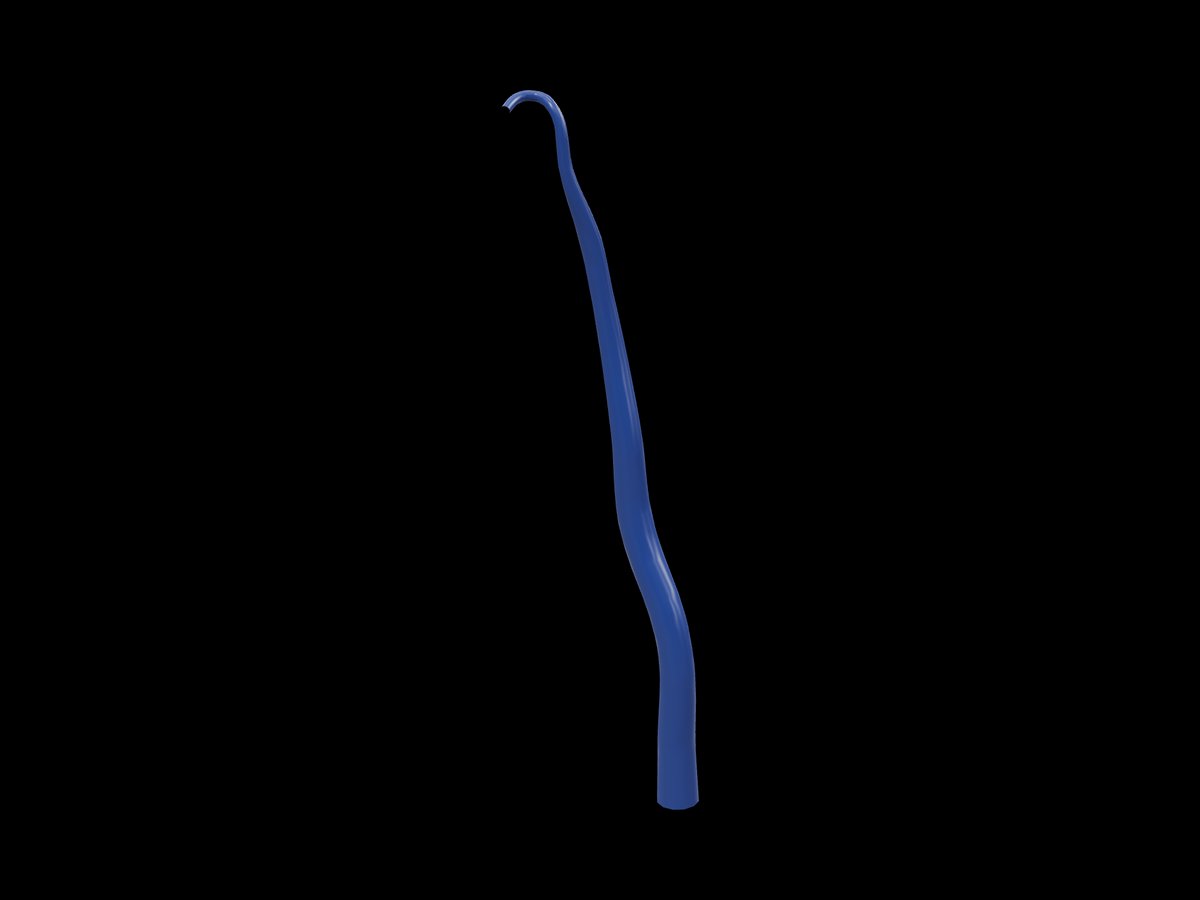
The internal jugular vein is the main vein draining the brain, face and neck. It runs down the neck inside the carotid sheath beside the carotid artery.
Other names: Vena jugularis interna (Latin) · Veine jugulaire interne (French) · Vena yugular interna (Spanish) · Veia jugular interna (Portuguese)
Key facts
- Type
- Large vein
- Drains
- Brain, skull, face, neck and thyroid
- Tributaries
- Inferior petrosal sinus, pharyngeal, lingual, common facial, superior and middle thyroid veins
- Course
- Begins at the jugular foramen as the continuation of the sigmoid sinus, descends in the carotid sheath lateral to the internal and then common carotid arteries, and joins the subclavian vein behind the sternoclavicular joint to form the brachiocephalic vein.
- Function
- Drains the brain, through the sigmoid sinus, and the face and neck down the carotid sheath to the brachiocephalic vein; its pulsation in the neck mirrors right atrial pressure.
Surface anatomy
It lies under sternocleidomastoid; its pulsation (jugular venous pressure) is seen in the neck when a person reclines at 45 degrees.
Clinical notes
- The jugular venous pressure reflects pressure in the right atrium and rises in heart failure
- The right internal jugular vein is the commonest site for ultrasound-guided central venous catheters
- Infection spreading from the throat can cause clotting in it (Lemierre syndrome)
Quick answers
What is the course of the internal jugular vein?
Begins at the jugular foramen as the continuation of the sigmoid sinus, descends in the carotid sheath lateral to the internal and then common carotid arteries, and joins the subclavian vein behind the sternoclavicular joint to form the brachiocephalic vein.
What are the tributaries of the internal jugular vein?
Inferior petrosal sinus, pharyngeal, lingual, common facial, superior and middle thyroid veins
What does the internal jugular vein drain?
Brain, skull, face, neck and thyroid
Notes written for anatmy3d and checked against Gray’s Anatomy, Moore’s Clinically Oriented Anatomy and Netter. Last reviewed .