Spinal dura
Dura spinalis
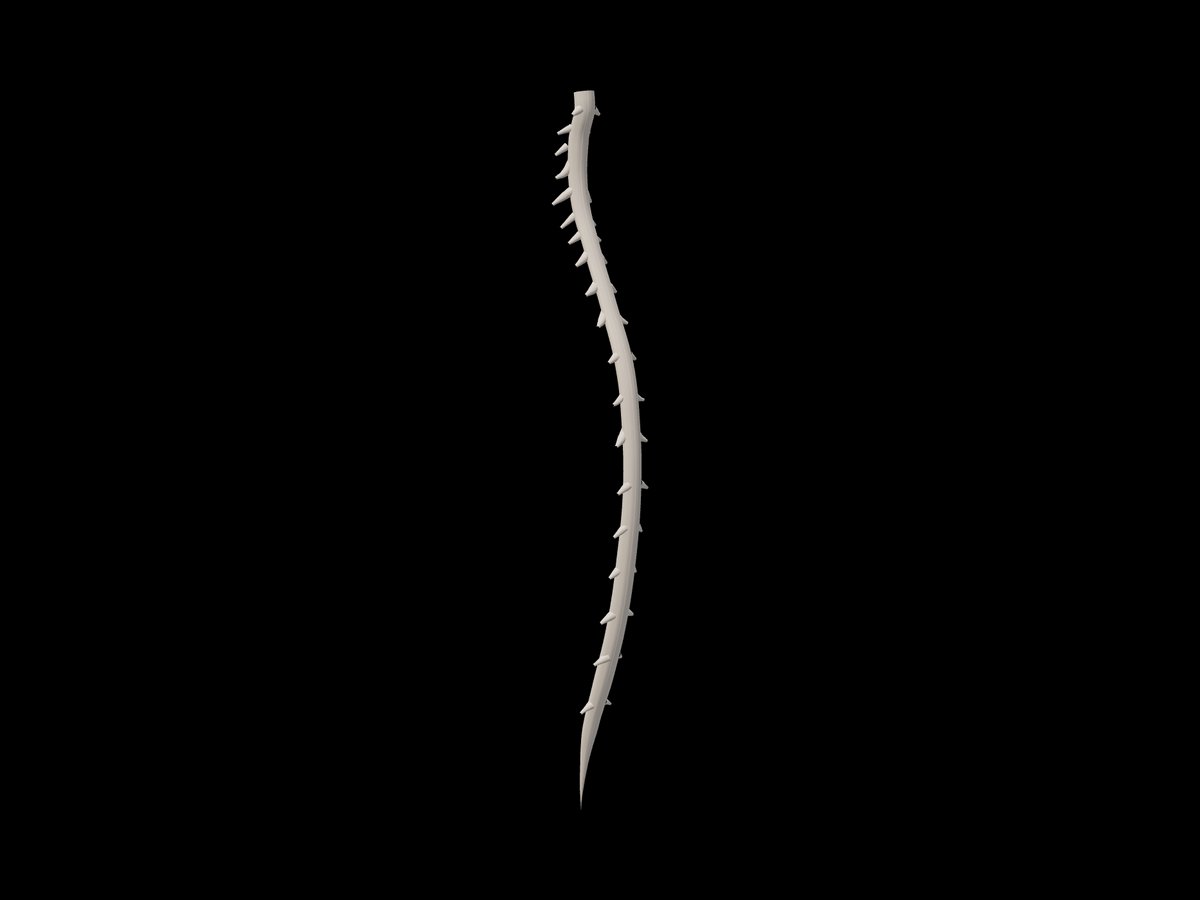
The spinal dura mater is the tough outer membrane forming a tube around the spinal cord and nerve roots. Below the end of the cord it continues as the dural sac down to the second sacral level.
Other names: Dura spinalis (Latin) · Dure-mère spinale (French) · Dura espinal (Spanish) · Dura espinhal (Portuguese)
Key facts
- Type
- Meninges (spinal dura mater)
- Function
- Protects the spinal cord and contains the cerebrospinal fluid.
Location and relations
Lines the vertebral canal from the foramen magnum to about S2, separated from the bone by the epidural space, which contains fat and veins; it sleeves each nerve root to the intervertebral foramina.
Clinical notes
- Epidural anaesthesia is injected into the space outside it; spinal anaesthesia is injected through it into the fluid
- A leak of cerebrospinal fluid after a lumbar puncture causes headache on standing, which can be treated with an epidural blood patch
- Spontaneous leaks through tears or root sleeves cause low-pressure headaches (spontaneous intracranial hypotension)
Quick answers
Where is the spinal dura located?
Lines the vertebral canal from the foramen magnum to about S2, separated from the bone by the epidural space, which contains fat and veins; it sleeves each nerve root to the intervertebral foramina.
What does the spinal dura do?
Protects the spinal cord and contains the cerebrospinal fluid.
Notes written for anatmy3d and checked against Gray’s Anatomy, Moore’s Clinically Oriented Anatomy and Netter. Last reviewed .