Tentorium cerebelli
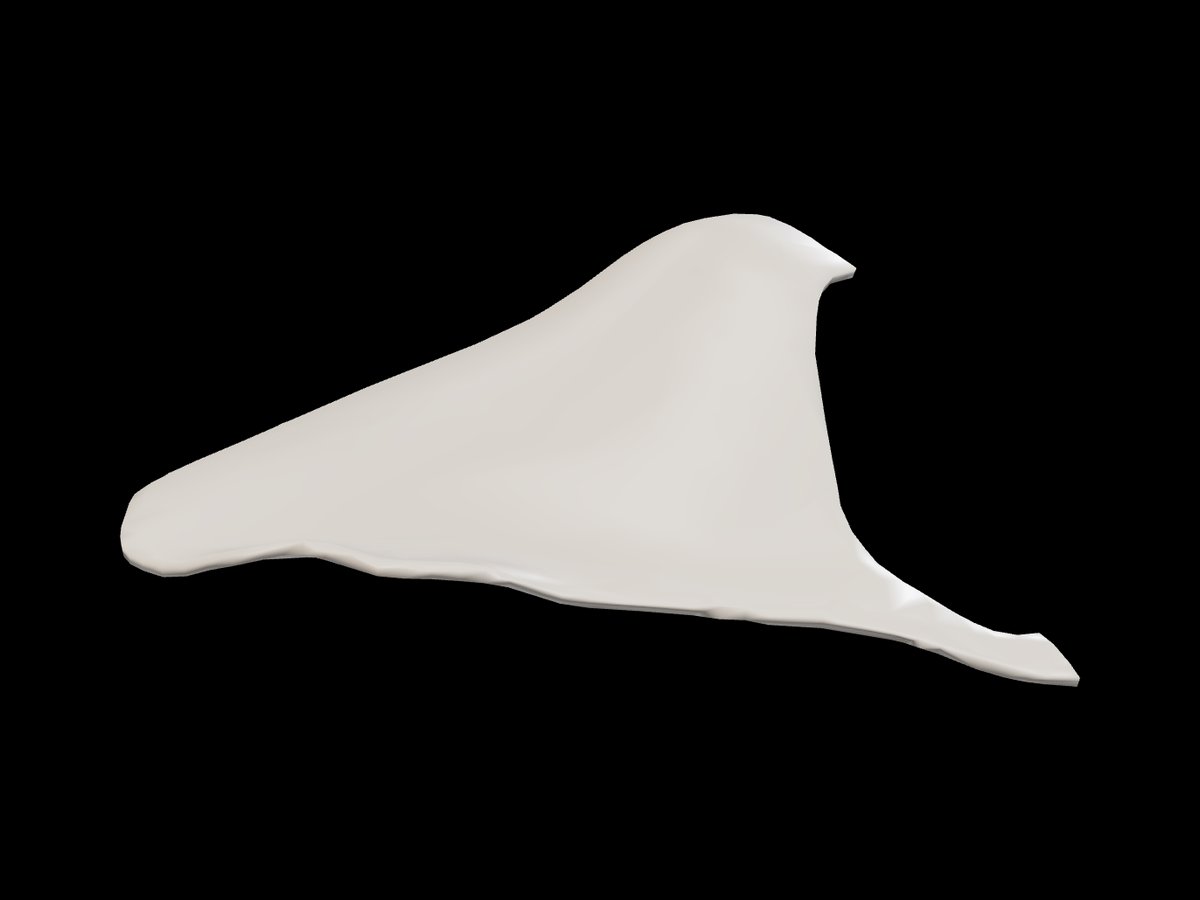
The tentorium cerebelli is a tent-like fold of dura mater that separates the occipital lobes above from the cerebellum below.
Other names: Tente du cervelet (French) · Tienda del cerebello (Spanish)
Key facts
- Type
- Dural fold (meninges)
- Function
- Supports the occipital lobes and divides the skull into compartments above and below it.
Location and relations
Attached to the occipital bone along the transverse sinuses and to the petrous ridges, with a free front edge that forms a notch (tentorial incisura) around the midbrain.
Clinical notes
- Raised pressure above can force the medial temporal lobe through the tentorial notch (transtentorial herniation), compressing the oculomotor nerve and midbrain, a life-threatening emergency
- Tumours are described as above (supratentorial) or below (infratentorial) it
Quick answers
Where is the tentorium cerebelli located?
Attached to the occipital bone along the transverse sinuses and to the petrous ridges, with a free front edge that forms a notch (tentorial incisura) around the midbrain.
What does the tentorium cerebelli do?
Supports the occipital lobes and divides the skull into compartments above and below it.
Notes written for anatmy3d and checked against Gray’s Anatomy, Moore’s Clinically Oriented Anatomy and Netter. Last reviewed .