ArteriesSystemic arteries
Subscapular artery
Arteria subscapularis
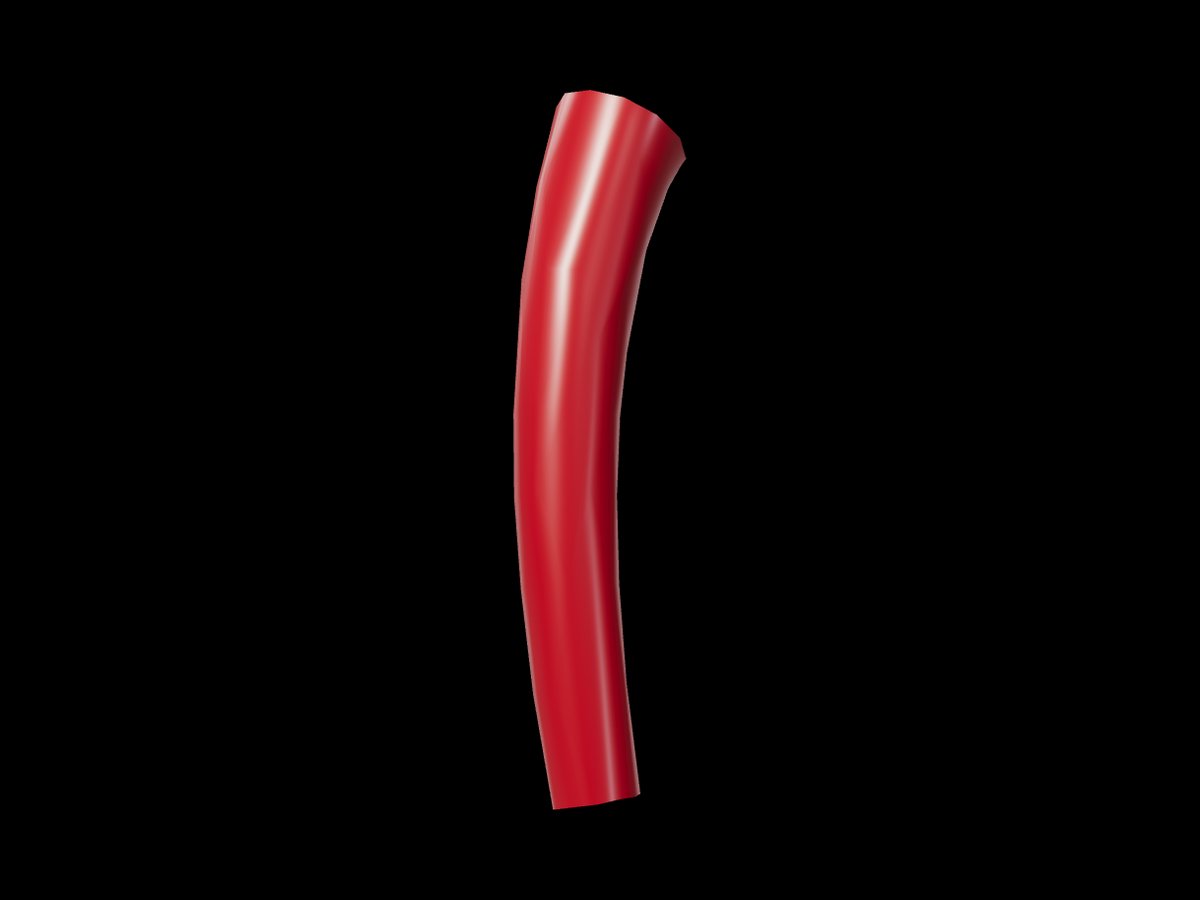
The subscapular artery is the largest branch of the axillary artery. It runs down along the outer border of the scapula and divides into the circumflex scapular and thoracodorsal arteries.
Other names: Arteria subscapularis (Latin) · Artère subscapulaire (French) · Arteria subescapular (Spanish) · Artéria subescapular (Portuguese)
Key facts
- Type
- Muscular artery
- Supplies
- Subscapularis, latissimus dorsi, teres major and the muscles on the back of the scapula
- Branches
- Circumflex scapular and thoracodorsal arteries
- Course
- Arises from the third part of the axillary artery at the lower border of subscapularis and descends along the lateral border of the scapula.
- Function
- The largest axillary branch, it carries oxygen-rich blood along the lateral border of the scapula to subscapularis, latissimus dorsi and teres major; its circumflex branch joins the scapular anastomosis.
Clinical notes
- The "subscapular system" supplies several reconstructive flaps (scapular, parascapular, latissimus dorsi) that can be taken on one vessel
Quick answers
What is the course of the subscapular artery?
Arises from the third part of the axillary artery at the lower border of subscapularis and descends along the lateral border of the scapula.
What are the branches of the subscapular artery?
Circumflex scapular and thoracodorsal arteries
What does the subscapular artery supply?
Subscapularis, latissimus dorsi, teres major and the muscles on the back of the scapula
Notes written for anatmy3d and checked against Gray’s Anatomy, Moore’s Clinically Oriented Anatomy and Netter. Last reviewed .