ArteriesSystemic arteries
Superficial palmar arch
Arcus palmaris superficialis
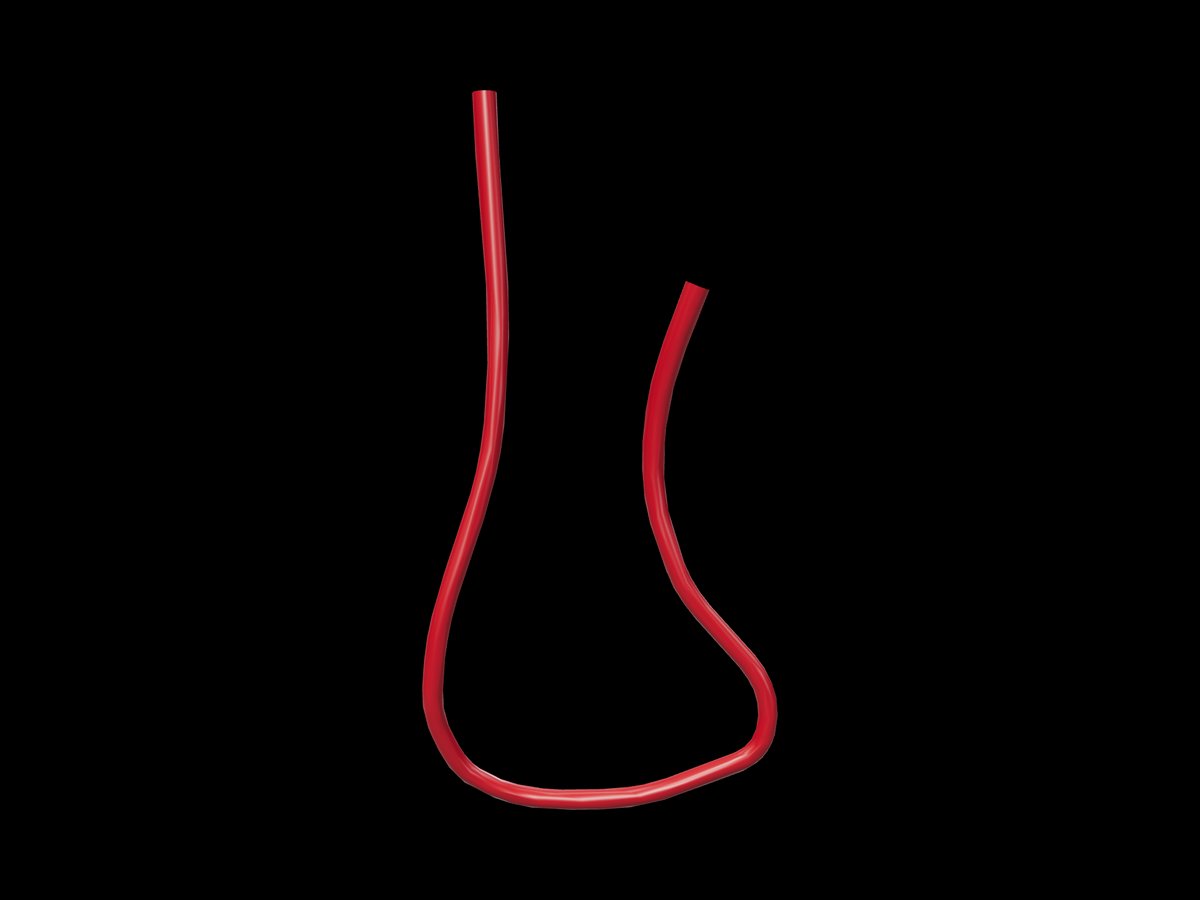
The superficial palmar arch is the arterial arch lying just under the palmar aponeurosis. It is formed mainly by the ulnar artery and supplies most of the fingers.
Other names: Arcus palmaris superficialis (Latin) · Arcade palmaire superficielle (French) · Arco palmar superficial (Spanish, Portuguese)
Key facts
- Type
- Arterial arch
- Supplies
- Palm skin and the fingers
- Branches
- Three common palmar digital arteries, proper palmar digital artery to the little finger
- Course
- Formed by the end of the ulnar artery, usually completed by a branch of the radial artery, curving across the palm just in front of the flexor tendons and digital nerves.
- Function
- Carries oxygen-rich blood from the ulnar artery across the palm in front of the flexor tendons, sending digital arteries to most fingers; usually completed by a radial branch, it lets the hand draw on both forearm arteries.
Surface anatomy
Lies about level with a line drawn across the palm from the web between the fully spread thumb and index finger (Kaplan's cardinal line).
Clinical notes
- Deep cuts across the palm can divide it; surgeons keep carpal tunnel incisions short of it
Quick answers
What is the course of the superficial palmar arch?
Formed by the end of the ulnar artery, usually completed by a branch of the radial artery, curving across the palm just in front of the flexor tendons and digital nerves.
What are the branches of the superficial palmar arch?
Three common palmar digital arteries, proper palmar digital artery to the little finger
What does the superficial palmar arch supply?
Palm skin and the fingers
Notes written for anatmy3d and checked against Gray’s Anatomy, Moore’s Clinically Oriented Anatomy and Netter. Last reviewed .