ArteriesSystemic arteries
Ulnar artery
Arteria ulnaris
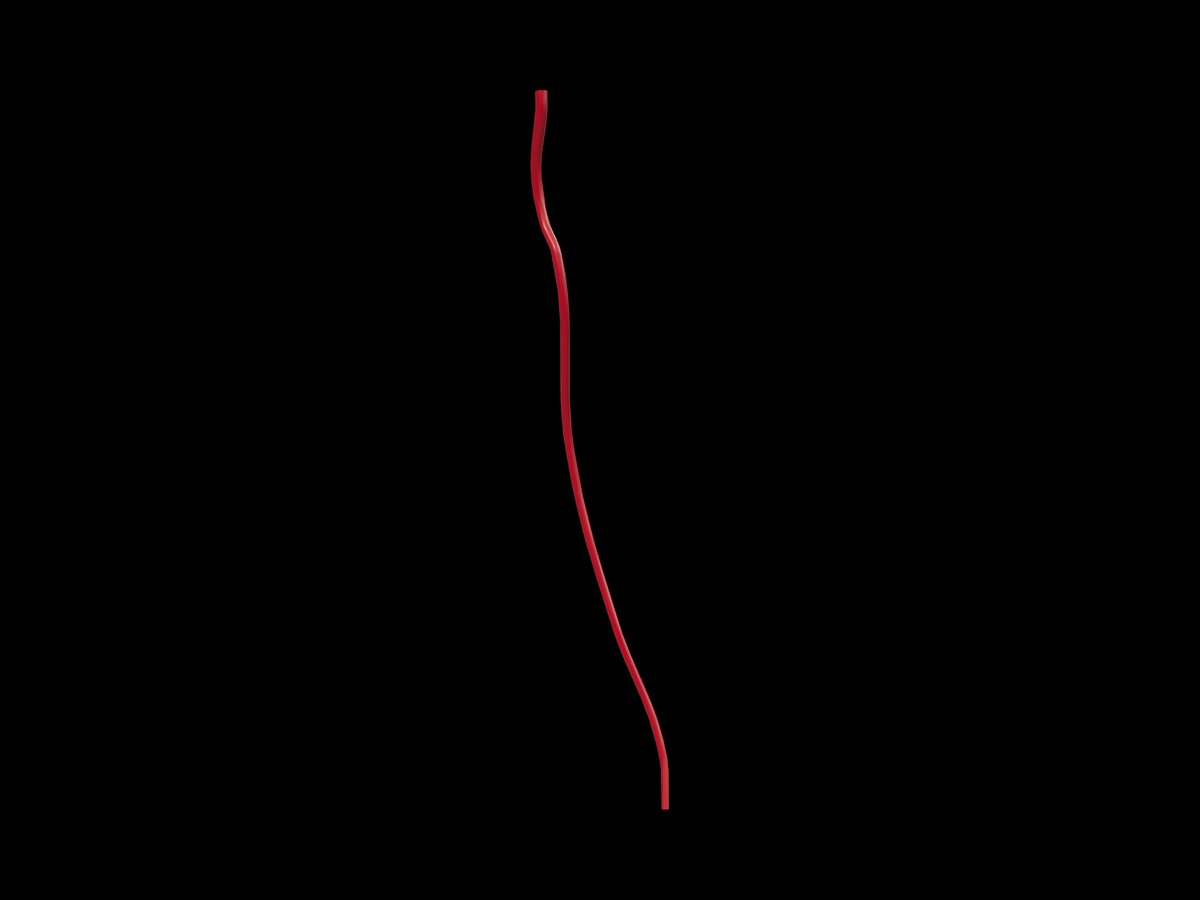
The ulnar artery is the larger end branch of the brachial artery. It runs down the little-finger side of the forearm and forms most of the superficial palmar arch.
Other names: Arteria ulnaris (Latin) · Artère ulnaire (French) · Arteria ulnar (Spanish) · Artéria ulnar (Portuguese)
Key facts
- Type
- Muscular artery
- Supplies
- Muscles of the inner and deep forearm, wrist and most of the fingers through the palmar arches
- Branches
- Anterior and posterior ulnar recurrent arteries, common interosseous artery, muscular branches, palmar and dorsal carpal branches, deep palmar branch
- Course
- Arises in the cubital fossa, passes deep to pronator teres and flexor digitorum superficialis, runs down beside the ulnar nerve under flexor carpi ulnaris, passes in front of the flexor retinaculum beside the pisiform (in Guyon's canal) and ends as the superficial palmar arch.
- Function
- Carries oxygen-rich blood down the little-finger side of the forearm to the deep forearm muscles and, through the superficial palmar arch it mainly forms, to most of the fingers.
Clinical notes
- Repeatedly using the heel of the hand as a hammer can damage it near the hook of the hamate (hypothenar hammer syndrome), causing cold, painful fingers
- The Allen test checks its flow before procedures on the radial artery
Quick answers
What is the course of the ulnar artery?
Arises in the cubital fossa, passes deep to pronator teres and flexor digitorum superficialis, runs down beside the ulnar nerve under flexor carpi ulnaris, passes in front of the flexor retinaculum beside the pisiform (in Guyon's canal) and ends as the superficial palmar arch.
What are the branches of the ulnar artery?
Anterior and posterior ulnar recurrent arteries, common interosseous artery, muscular branches, palmar and dorsal carpal branches, deep palmar branch
What does the ulnar artery supply?
Muscles of the inner and deep forearm, wrist and most of the fingers through the palmar arches
Notes written for anatmy3d and checked against Gray’s Anatomy, Moore’s Clinically Oriented Anatomy and Netter. Last reviewed .