Supinator
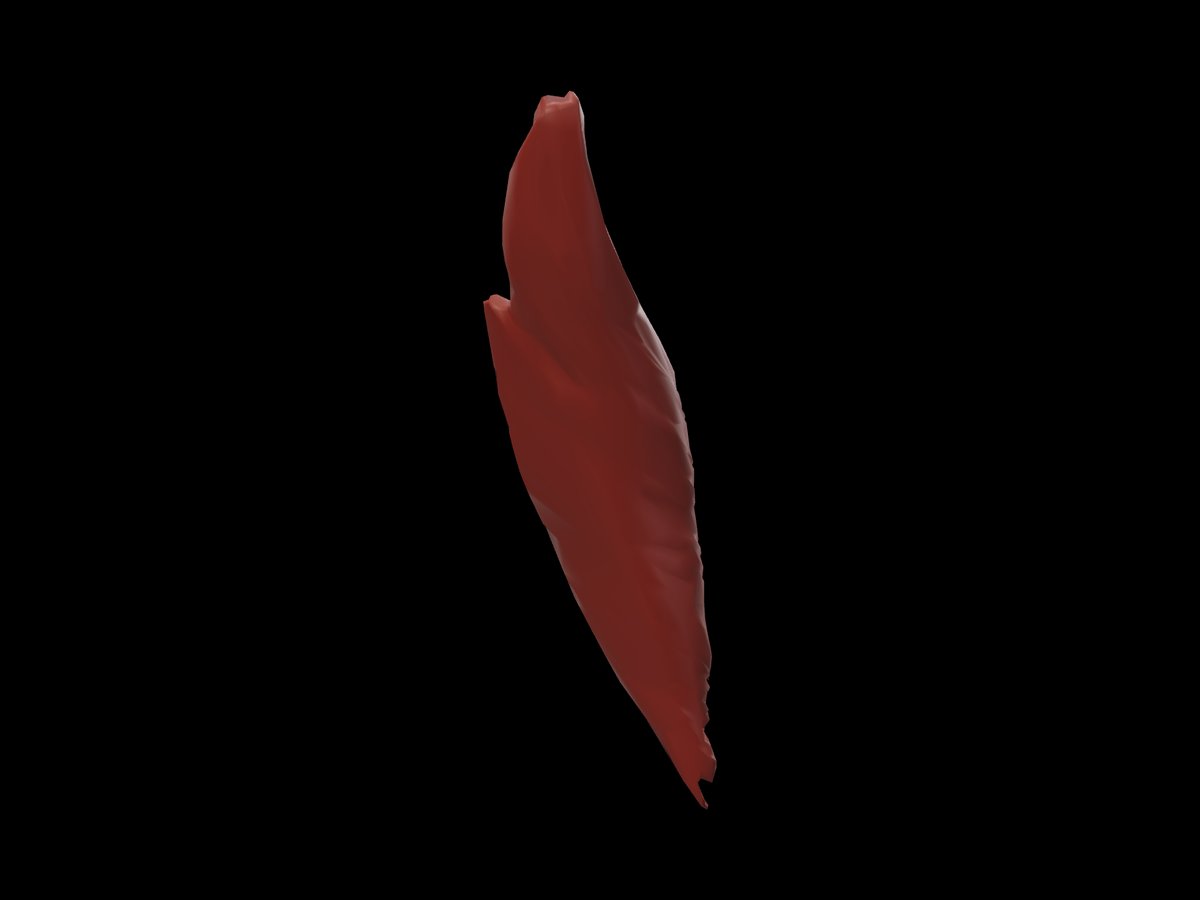
Supinator is a short, broad muscle wrapped around the upper radius. It turns the palm upwards slowly or without resistance, and the deep branch of the radial nerve passes through it.
Other names: Supinateur (French) · Supinador (Spanish)
The same notes are on the main page: Supinator (Muscles).
Key facts
- Origin
- Lateral epicondyle of the humerus, radial collateral and annular ligaments and the supinator crest of the ulna
- Insertion
- Lateral, posterior and anterior surfaces of the upper third of the radius
- Action
- Supinates the forearm
- Nerve supply
- Deep branch of the radial nerve (C7–C8)
- Arterial supply
- Radial recurrent and recurrent interosseous arteries
- Function
- Supinates the forearm; biceps joins in when force is needed with the elbow bent.
Location and relations
Deep back and lateral side of the upper forearm, curving around the neck and upper shaft of the radius.
Surface anatomy
Not palpable.
Clinical notes
- The posterior interosseous nerve passes under its fibrous upper edge (the arcade of Frohse), where it can be compressed, causing weakness of finger extension without sensory loss
- Radial tunnel syndrome causes aching in the forearm from compression at the same site
Quick answers
What are the origin and insertion of the supinator?
Origin: Lateral epicondyle of the humerus, radial collateral and annular ligaments and the supinator crest of the ulna. Insertion: Lateral, posterior and anterior surfaces of the upper third of the radius.
What does the supinator do?
Supinates the forearm
What is the nerve supply of the supinator?
Deep branch of the radial nerve (C7–C8)
What is the blood supply of the supinator?
Radial recurrent and recurrent interosseous arteries
Where is the supinator located?
Deep back and lateral side of the upper forearm, curving around the neck and upper shaft of the radius.
Notes written for anatmy3d and checked against Gray’s Anatomy, Moore’s Clinically Oriented Anatomy and Netter. Last reviewed .