MusclesDeep part of the anterior compartment of the forearm
Pronator quadratus
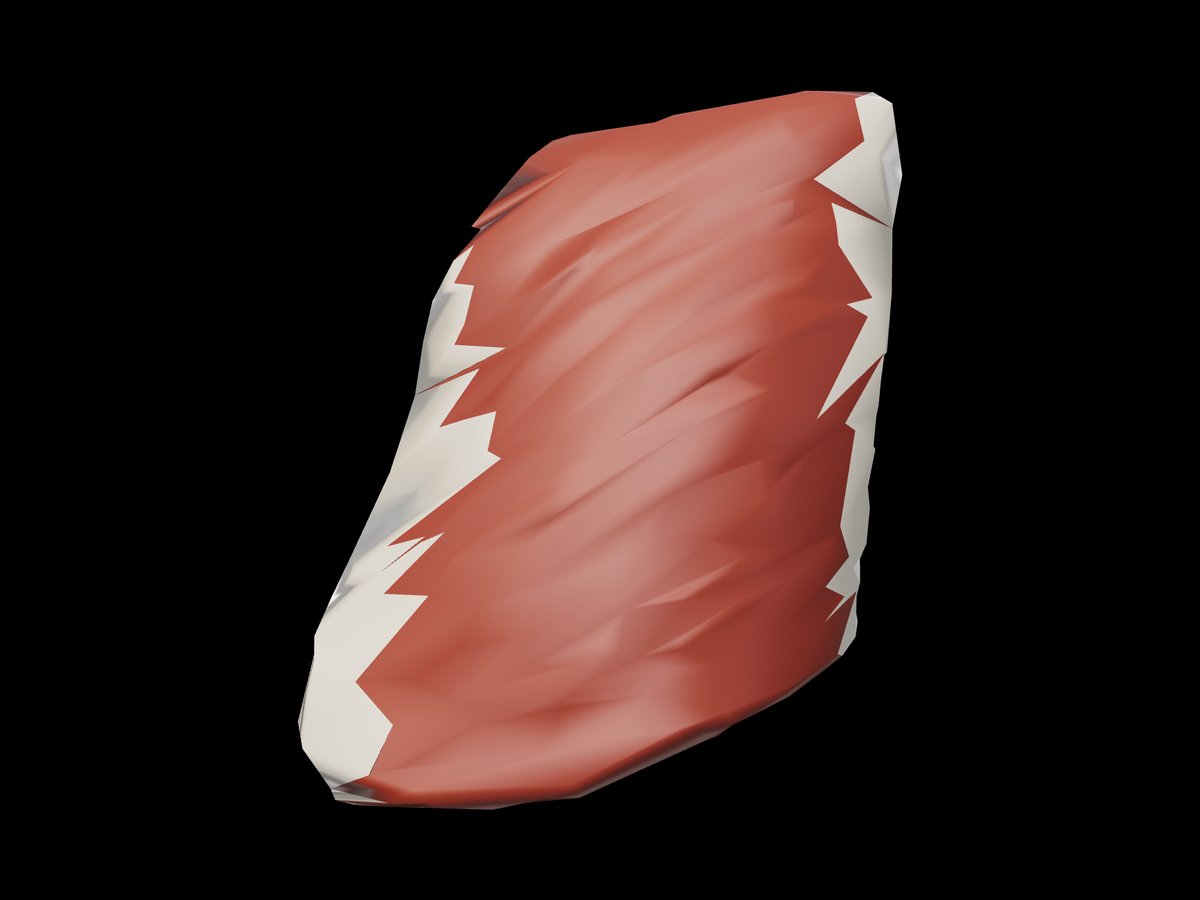
Pronator quadratus is a flat, square muscle on the front of the lower forearm, joining the radius and ulna just above the wrist. It is the main pronator of the forearm and holds the two bones together.
Other names: Carré pronateur (French) · Pronador cuadrado (Spanish) · Pronador quadrado (Portuguese)
Key facts
- Origin
- Distal quarter of the anterior surface of the ulna
- Insertion
- Distal quarter of the anterior surface of the radius
- Action
- Pronates the forearm (main pronator); binds the radius and ulna together
- Nerve supply
- Anterior interosseous nerve, from the median nerve (C8–T1)
- Arterial supply
- Anterior interosseous artery
- Function
- Initiates pronation (pronator teres helps when speed or force is needed) and binds the distal radius and ulna together.
Location and relations
Deepest layer of the front of the lower forearm, under the flexor tendons.
Surface anatomy
Not palpable.
Clinical notes
- Displacement of the fat pad in front of it on an X-ray is a sign of an occult distal forearm fracture
- Its fibres can deform distal radius fractures by pulling the fragments
Quick answers
What are the origin and insertion of the pronator quadratus?
Origin: Distal quarter of the anterior surface of the ulna. Insertion: Distal quarter of the anterior surface of the radius.
What does the pronator quadratus do?
Pronates the forearm (main pronator); binds the radius and ulna together
What is the nerve supply of the pronator quadratus?
Anterior interosseous nerve, from the median nerve (C8–T1)
What is the blood supply of the pronator quadratus?
Anterior interosseous artery
Where is the pronator quadratus located?
Deepest layer of the front of the lower forearm, under the flexor tendons.
Notes written for anatmy3d and checked against Gray’s Anatomy, Moore’s Clinically Oriented Anatomy and Netter. Last reviewed .