Eyes and ears / sense organsEar
Vestibule
Vestibulum
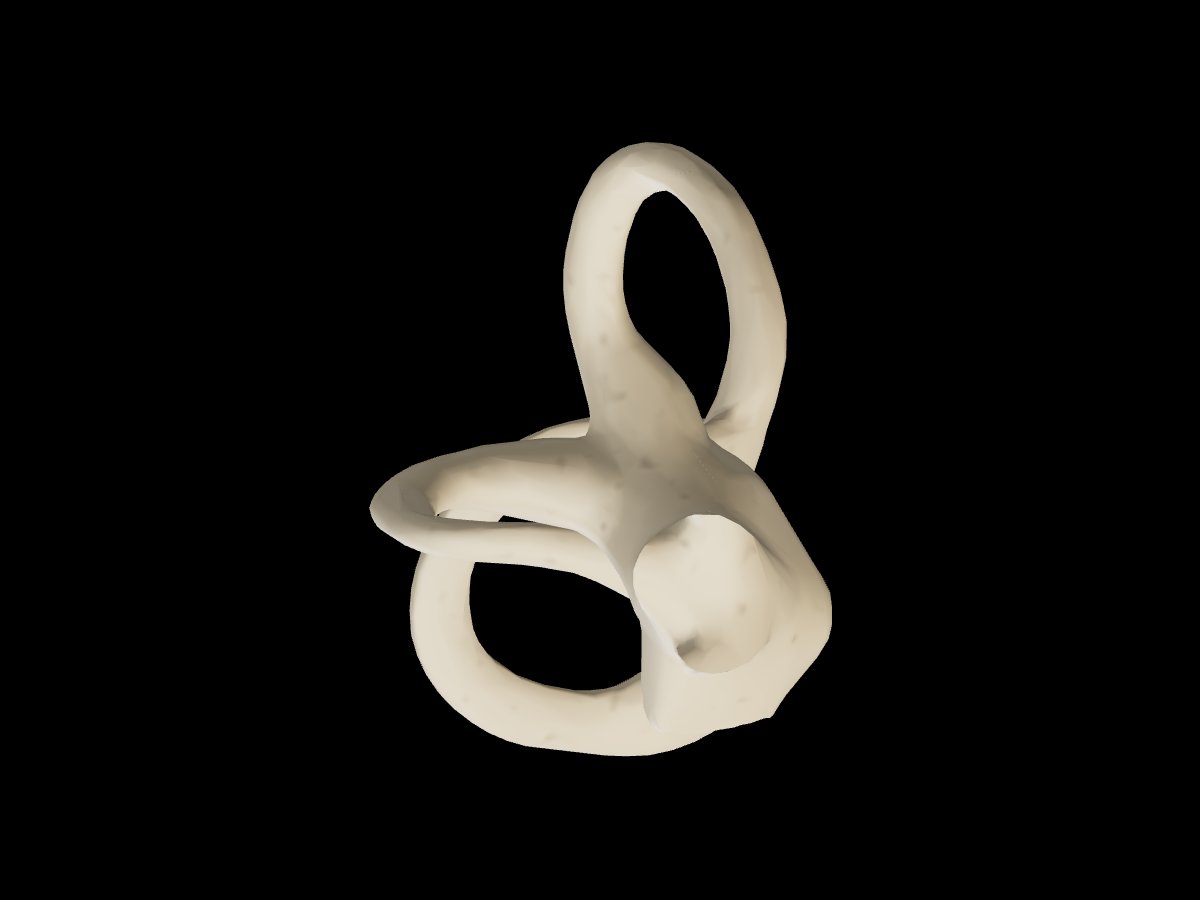
The vestibule is the central chamber of the inner ear, between the cochlea and the semicircular canals. It contains the utricle and saccule, which sense gravity and straight-line movement.
Other names: Vestibulum (Latin) · Vestíbulo (Spanish, Portuguese)
Key facts
- Type
- Part of the bony and membranous labyrinth
- Nerve supply
- Vestibular nerve
- Arterial supply
- Labyrinthine artery
- Function
- Senses head position relative to gravity and linear acceleration, feeding balance and eye-steadying reflexes.
Location and relations
In the petrous temporal bone, medial to the middle ear; the oval window, closed by the stapes footplate, is in its outer wall.
Parts and features
- Utricle (senses horizontal movement and head tilt)
- Saccule (senses vertical movement)
- Otolith crystals on their sensory patches (maculae)
Clinical notes
- Benign paroxysmal positional vertigo happens when otolith crystals slip from the utricle into a semicircular canal; it is treated with repositioning manoeuvres such as the Epley
- Ménière disease involves excess fluid in the membranous labyrinth, causing attacks of vertigo, hearing loss and tinnitus
Quick answers
Where is the vestibule located?
In the petrous temporal bone, medial to the middle ear; the oval window, closed by the stapes footplate, is in its outer wall.
What does the vestibule do?
Senses head position relative to gravity and linear acceleration, feeding balance and eye-steadying reflexes.
What is the nerve supply of the vestibule?
Vestibular nerve
What is the blood supply of the vestibule?
Labyrinthine artery
Notes written for anatmy3d and checked against Gray’s Anatomy, Moore’s Clinically Oriented Anatomy and Netter. Last reviewed .