Accessory nerve (XI)
Nervus accessorius (XI)
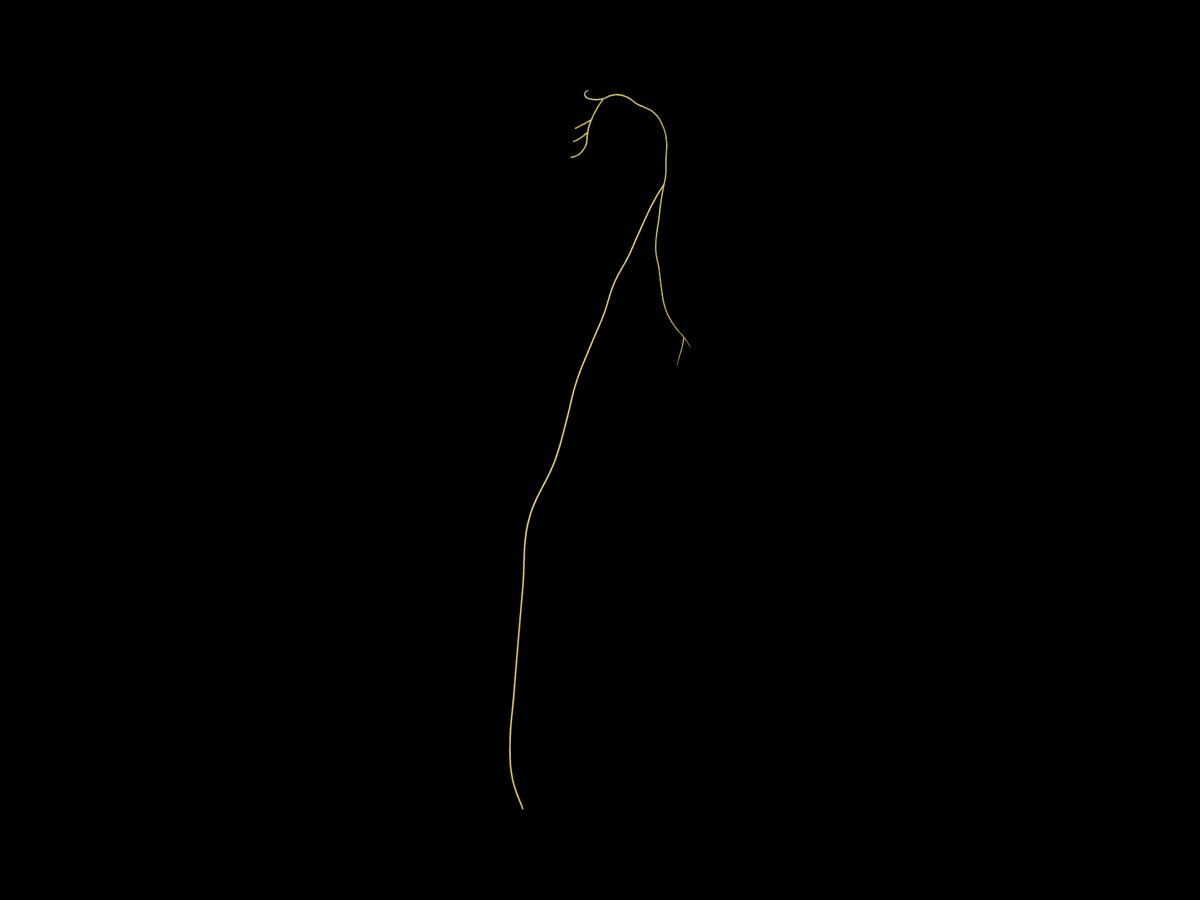
The accessory nerve supplies the sternocleidomastoid and trapezius muscles. Its fibres arise from the upper spinal cord.
Other names: Nervus accessorius (XI) (Latin) · Nerf accessoire (XI) (French) · Nervio accesorio (XI) (Spanish) · Nervo acessório (XI) (Portuguese)
Key facts
- Type
- Cranial nerve XI (motor)
- Course
- Rootlets from the upper cervical spinal cord rise through the foramen magnum, leave the skull through the jugular foramen, pass to sternocleidomastoid and then cross the posterior triangle of the neck under the skin to trapezius.
- Function
- Turning the head and shrugging and raising the shoulder.
Clinical notes
- Lying superficially in the posterior triangle, it can be injured during lymph node biopsy, causing a drooping shoulder and difficulty raising the arm
Quick answers
What is the course of the accessory nerve (XI)?
Rootlets from the upper cervical spinal cord rise through the foramen magnum, leave the skull through the jugular foramen, pass to sternocleidomastoid and then cross the posterior triangle of the neck under the skin to trapezius.
What does the accessory nerve (XI) do?
Turning the head and shrugging and raising the shoulder.
Notes written for anatmy3d and checked against Gray’s Anatomy, Moore’s Clinically Oriented Anatomy and Netter. Last reviewed .