VeinsSystemic veins
Angular vein
Vena angularis
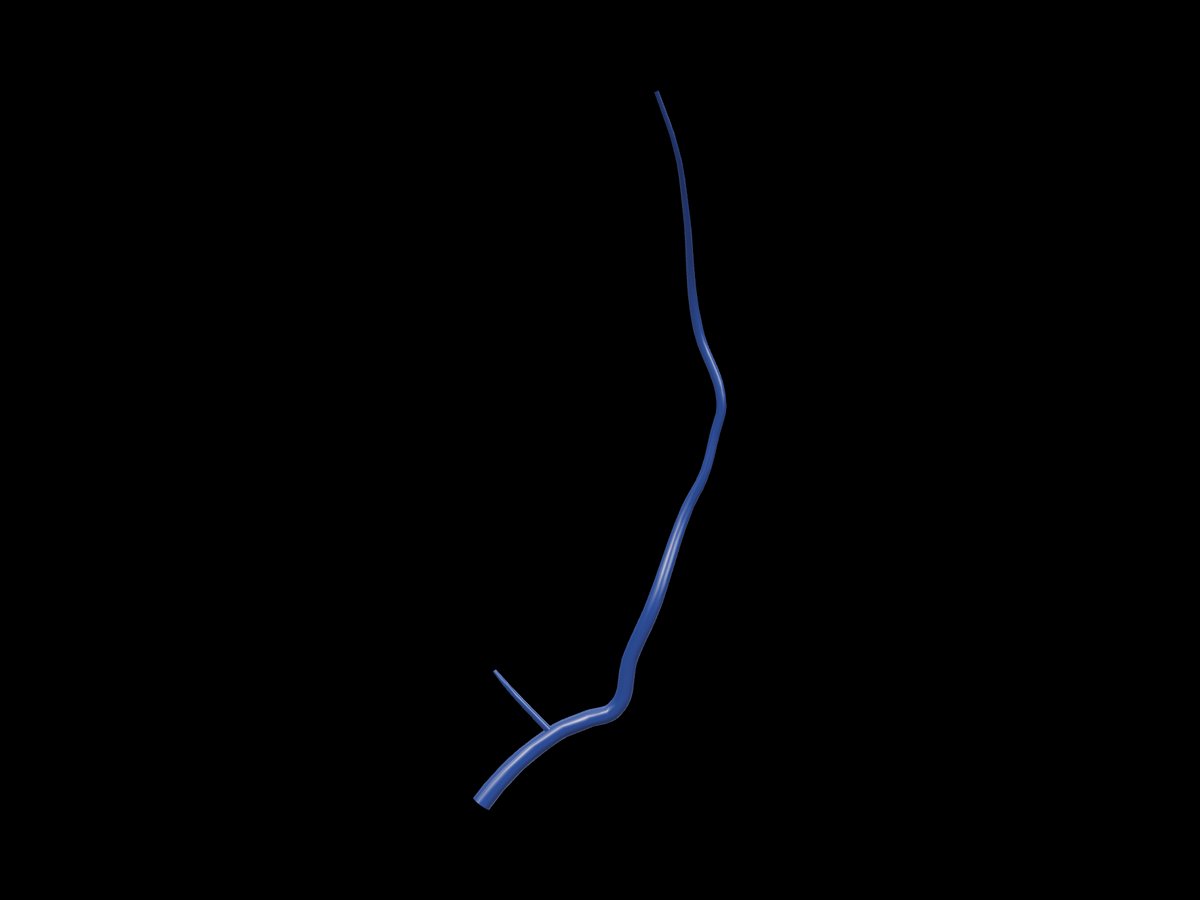
The angular vein is the top part of the facial vein, at the side of the nose near the inner corner of the eye. It connects the facial vein with the orbital veins.
Other names: Vena angularis (Latin) · Veine angulaire (French) · Vena angular (Spanish) · Veia angular (Portuguese)
Key facts
- Type
- Superficial vein
- Drains
- Forehead, upper eyelid and side of the nose
- Course
- Formed by the joining of the supratrochlear and supra-orbital veins at the inner corner of the eye; it runs down beside the nose and becomes the facial vein.
- Function
- Drains the forehead, upper eyelid and side of the nose down into the facial vein, but it also connects with the superior ophthalmic vein, so blood from here can flow back to the cavernous sinus.
Clinical notes
- Infection here (for example from squeezing a spot near the nose) can travel back to the cavernous sinus; this is the basis of the facial "danger triangle"
Quick answers
What is the course of the angular vein?
Formed by the joining of the supratrochlear and supra-orbital veins at the inner corner of the eye; it runs down beside the nose and becomes the facial vein.
What does the angular vein drain?
Forehead, upper eyelid and side of the nose
Notes written for anatmy3d and checked against Gray’s Anatomy, Moore’s Clinically Oriented Anatomy and Netter. Last reviewed .