Superior ophthalmic vein
Vena ophthalmica superior
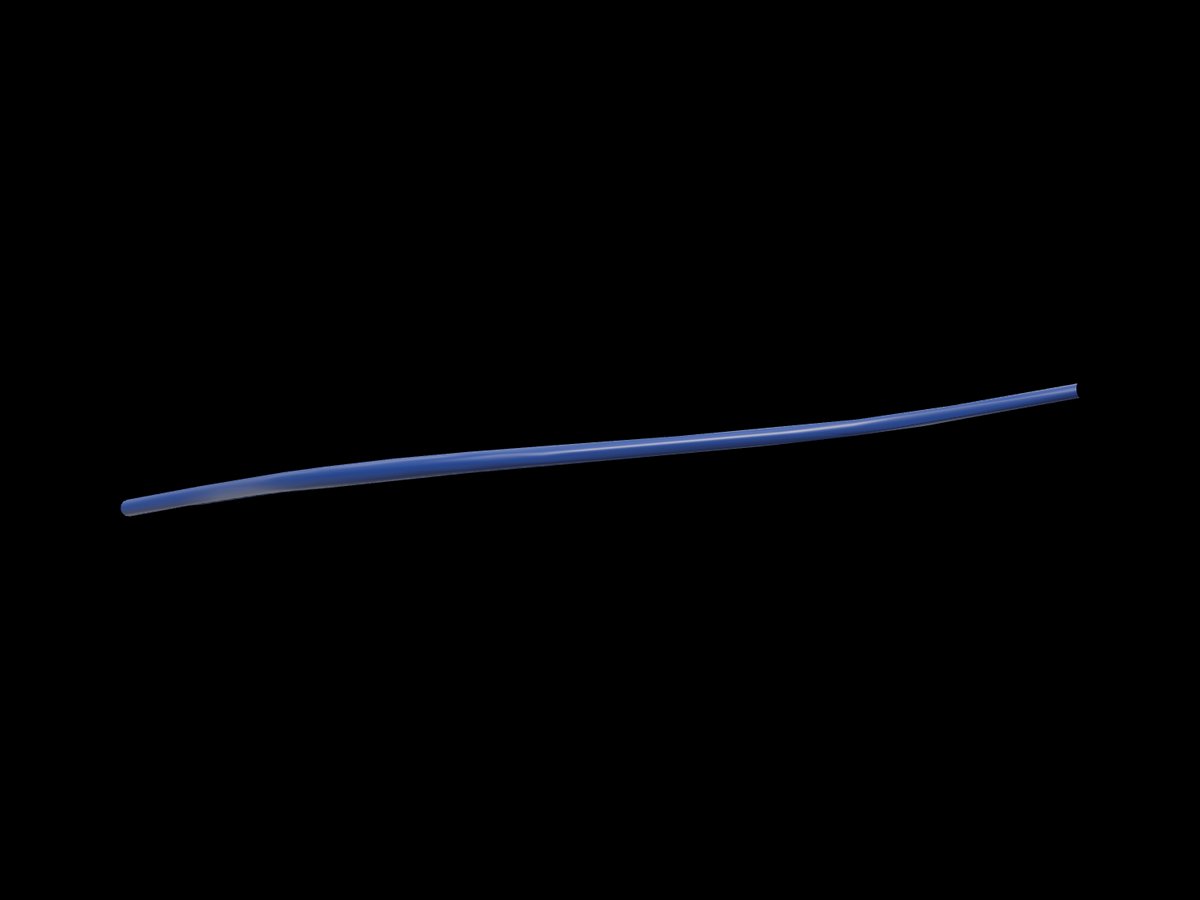
The superior ophthalmic vein is the main vein of the orbit. It connects the veins of the face with the cavernous sinus.
Other names: Vena ophthalmica superior (Latin) · Veine ophtalmique supérieure (French) · Vena oftálmica superior (Spanish) · Veia oftálmica superior (Portuguese)
Key facts
- Type
- Vein
- Drains
- Eyeball, eye muscles, lacrimal gland, eyelids and upper face
- Tributaries
- Vortex veins, central retinal vein (often), ethmoidal, lacrimal and muscular veins
- Course
- Begins at the inner corner of the eye from the joining of the supra-orbital and angular veins, runs back along the roof of the orbit with the ophthalmic artery and leaves through the superior orbital fissure to enter the cavernous sinus.
- Function
- Drains the eyeball, eye muscles, tear gland and eyelids back through the superior orbital fissure into the cavernous sinus; having few or no valves, it can also carry blood from the face inwards.
Clinical notes
- It is a route for facial infections to reach the cavernous sinus
- It becomes enlarged in a carotid–cavernous fistula and may be used for catheter access to treat it
Quick answers
What is the course of the superior ophthalmic vein?
Begins at the inner corner of the eye from the joining of the supra-orbital and angular veins, runs back along the roof of the orbit with the ophthalmic artery and leaves through the superior orbital fissure to enter the cavernous sinus.
What are the tributaries of the superior ophthalmic vein?
Vortex veins, central retinal vein (often), ethmoidal, lacrimal and muscular veins
What does the superior ophthalmic vein drain?
Eyeball, eye muscles, lacrimal gland, eyelids and upper face
Notes written for anatmy3d and checked against Gray’s Anatomy, Moore’s Clinically Oriented Anatomy and Netter. Last reviewed .