VeinsSystemic veins
Axillary vein
Vena axillaris
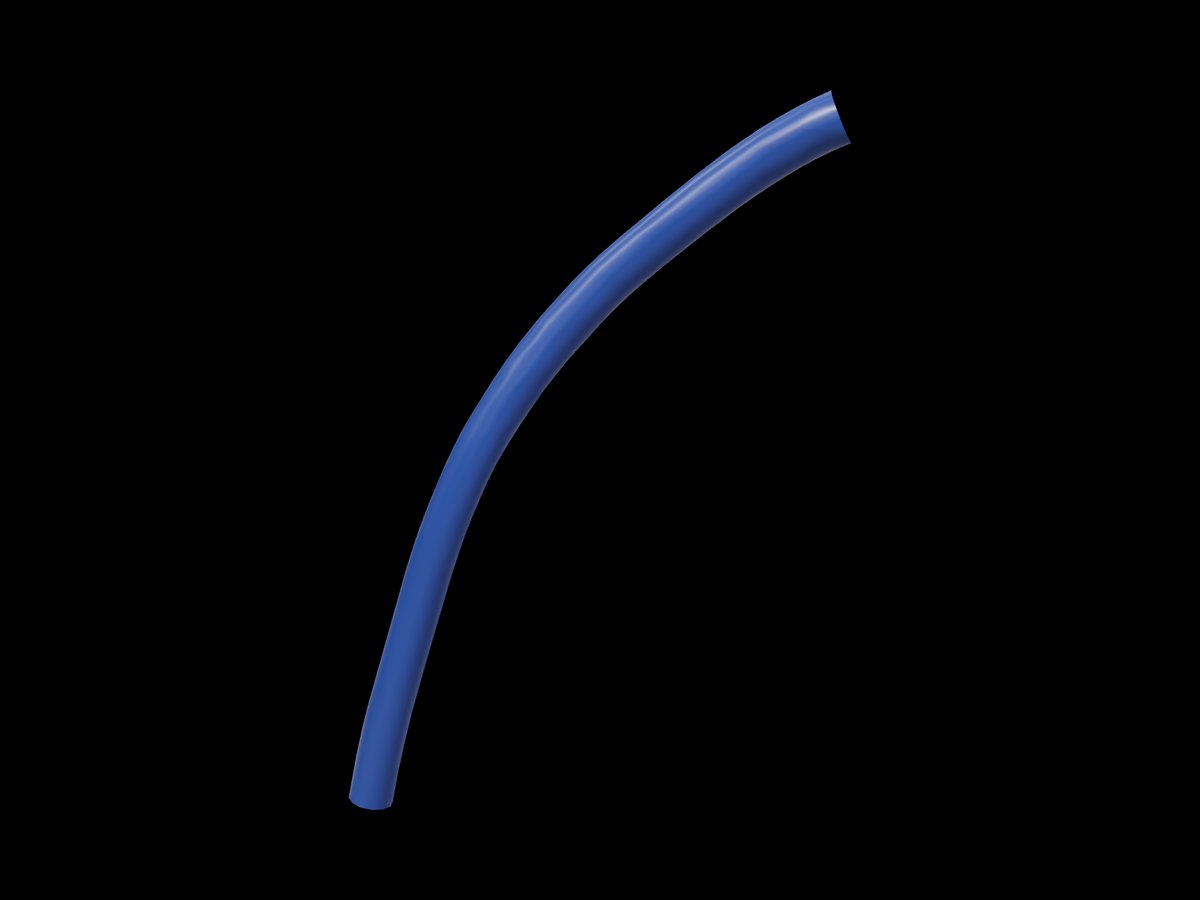
The axillary vein is the large vein of the armpit. It continues the basilic vein and becomes the subclavian vein at the first rib.
Other names: Vena axillaris (Latin) · Veine axillaire (French) · Vena axilar (Spanish) · Veia axilar (Portuguese)
Key facts
- Type
- Large vein
- Drains
- The whole upper limb, the side of the chest wall and the breast
- Tributaries
- Basilic vein, brachial veins, cephalic vein and veins matching the branches of the axillary artery
- Course
- Begins at the lower border of teres major from the basilic vein (joined by the brachial veins), ascends on the inner side of the axillary artery and becomes the subclavian vein at the outer border of the first rib.
- Function
- Carries the venous blood of the whole upper limb, the side of the chest wall and the breast up the inner side of the axillary artery, becoming the subclavian vein at the first rib.
Clinical notes
- Swelling of the arm can follow damage to it or the lymphatics during breast cancer surgery
- Clotting can occur with long-term catheters or repetitive arm use
- Ultrasound-guided catheters can be placed in it below the clavicle
Quick answers
What is the course of the axillary vein?
Begins at the lower border of teres major from the basilic vein (joined by the brachial veins), ascends on the inner side of the axillary artery and becomes the subclavian vein at the outer border of the first rib.
What are the tributaries of the axillary vein?
Basilic vein, brachial veins, cephalic vein and veins matching the branches of the axillary artery
What does the axillary vein drain?
The whole upper limb, the side of the chest wall and the breast
Notes written for anatmy3d and checked against Gray’s Anatomy, Moore’s Clinically Oriented Anatomy and Netter. Last reviewed .