Joints and ligamentsKnee joint
Anterior cruciate ligament
Ligamentum cruciatum anterius
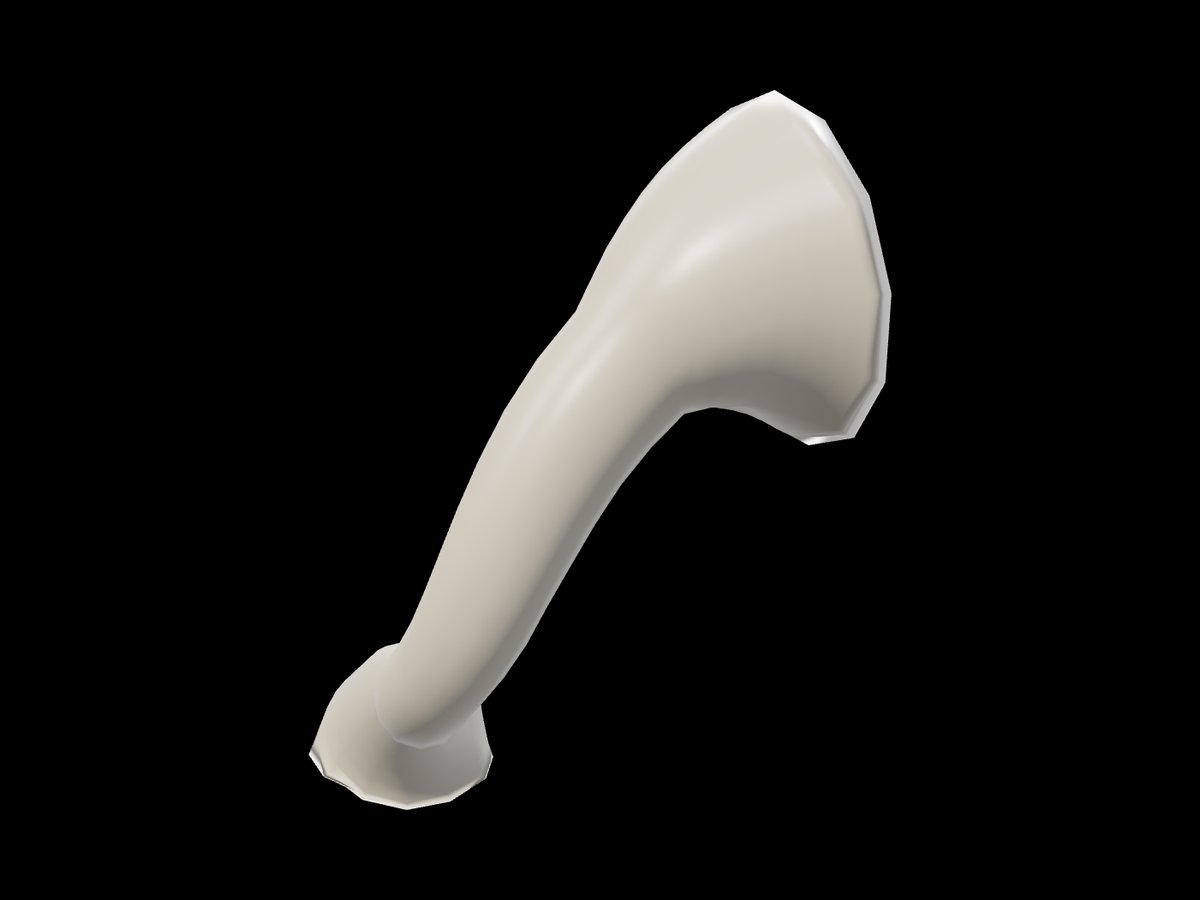
The anterior cruciate ligament (ACL) runs inside the knee from the front of the tibia up and back to the inner side of the lateral femoral condyle. It stops the tibia sliding forwards on the femur and controls rotation.
Other names: Ligamentum cruciatum anterius (Latin) · Ligament croisé antérieur (French) · Ligamento cruzado anterior (Spanish, Portuguese)
Key facts
- Type
- Intracapsular, extrasynovial ligament (anteromedial and posterolateral bundles)
- Nerve supply
- Branches of the tibial nerve, including position-sense receptors
- Arterial supply
- Middle genicular artery
- Function
- Prevents forward displacement of the tibia (and backward displacement of the femur); limits rotation and hyperextension. The anteromedial bundle is tight in flexion, the posterolateral bundle in extension.
Location and relations
From the anterior intercondylar area of the tibia to the back of the medial surface of the lateral femoral condyle.
Clinical notes
- Usually torn without contact, when landing, cutting or pivoting; often a "pop" followed by rapid swelling
- Women are several times more likely to tear it than men in the same sports
- The Lachman test is the most sensitive examination; the pivot shift shows rotatory instability
- Reconstructed with a tendon graft (hamstring, patellar or quadriceps) in active people
Quick answers
Where is the anterior cruciate ligament located?
From the anterior intercondylar area of the tibia to the back of the medial surface of the lateral femoral condyle.
What does the anterior cruciate ligament do?
Prevents forward displacement of the tibia (and backward displacement of the femur); limits rotation and hyperextension. The anteromedial bundle is tight in flexion, the posterolateral bundle in extension.
What is the nerve supply of the anterior cruciate ligament?
Branches of the tibial nerve, including position-sense receptors
What is the blood supply of the anterior cruciate ligament?
Middle genicular artery
Notes written for anatmy3d and checked against Gray’s Anatomy, Moore’s Clinically Oriented Anatomy and Netter. Last reviewed .