Tibial nerve
Nervus tibialis
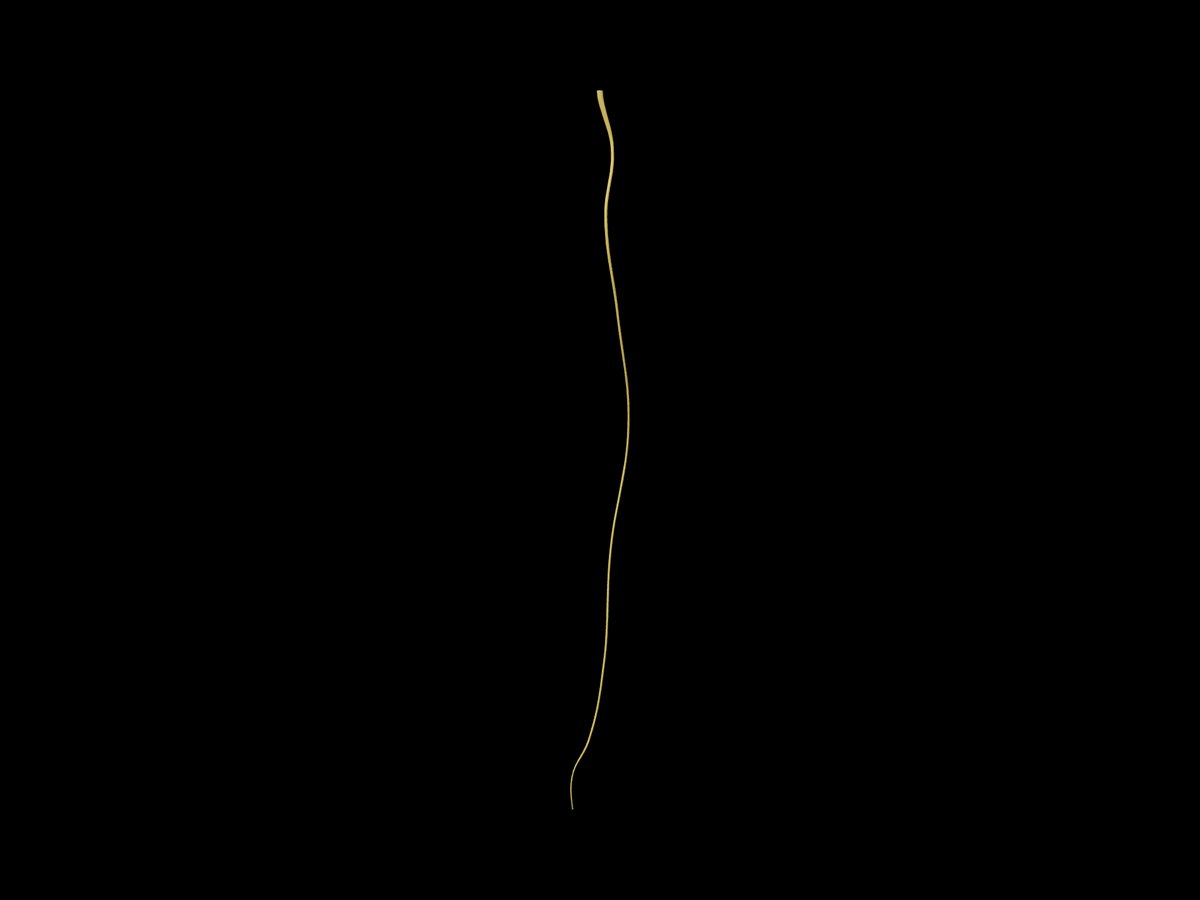
The tibial nerve is the larger branch of the sciatic nerve. It supplies the calf muscles and the sole of the foot.
Other names: Nervus tibialis (Latin) · Nerf tibial (French) · Nervio tibial (Spanish) · Nervo tibial (Portuguese)
Key facts
- Type
- Branch of the sciatic nerve (L4–S3)
- Branches
- Muscular branches (gastrocnemius, soleus, plantaris, popliteus, tibialis posterior, long toe flexors), medial sural cutaneous nerve, medial calcaneal branches, medial and lateral plantar nerves
- Course
- Runs vertically through the popliteal fossa (the most superficial of its main structures), descends deep to soleus with the posterior tibial vessels and passes behind the medial malleolus through the tarsal tunnel, dividing into the medial and lateral plantar nerves.
- Function
- Pointing the foot down (plantarflexion), turning it in, curling the toes; sensation of the sole and heel.
Clinical notes
- Compression in the tarsal tunnel causes burning and tingling in the sole (tarsal tunnel syndrome)
- Damage prevents standing on tiptoe and reduces the ankle reflex
Quick answers
What is the course of the tibial nerve?
Runs vertically through the popliteal fossa (the most superficial of its main structures), descends deep to soleus with the posterior tibial vessels and passes behind the medial malleolus through the tarsal tunnel, dividing into the medial and lateral plantar nerves.
What does the tibial nerve do?
Pointing the foot down (plantarflexion), turning it in, curling the toes; sensation of the sole and heel.
What are the branches of the tibial nerve?
Muscular branches (gastrocnemius, soleus, plantaris, popliteus, tibialis posterior, long toe flexors), medial sural cutaneous nerve, medial calcaneal branches, medial and lateral plantar nerves
Notes written for anatmy3d and checked against Gray’s Anatomy, Moore’s Clinically Oriented Anatomy and Netter. Last reviewed .