Joints and ligamentsKnee joint
Lateral meniscus
Meniscus lateralis
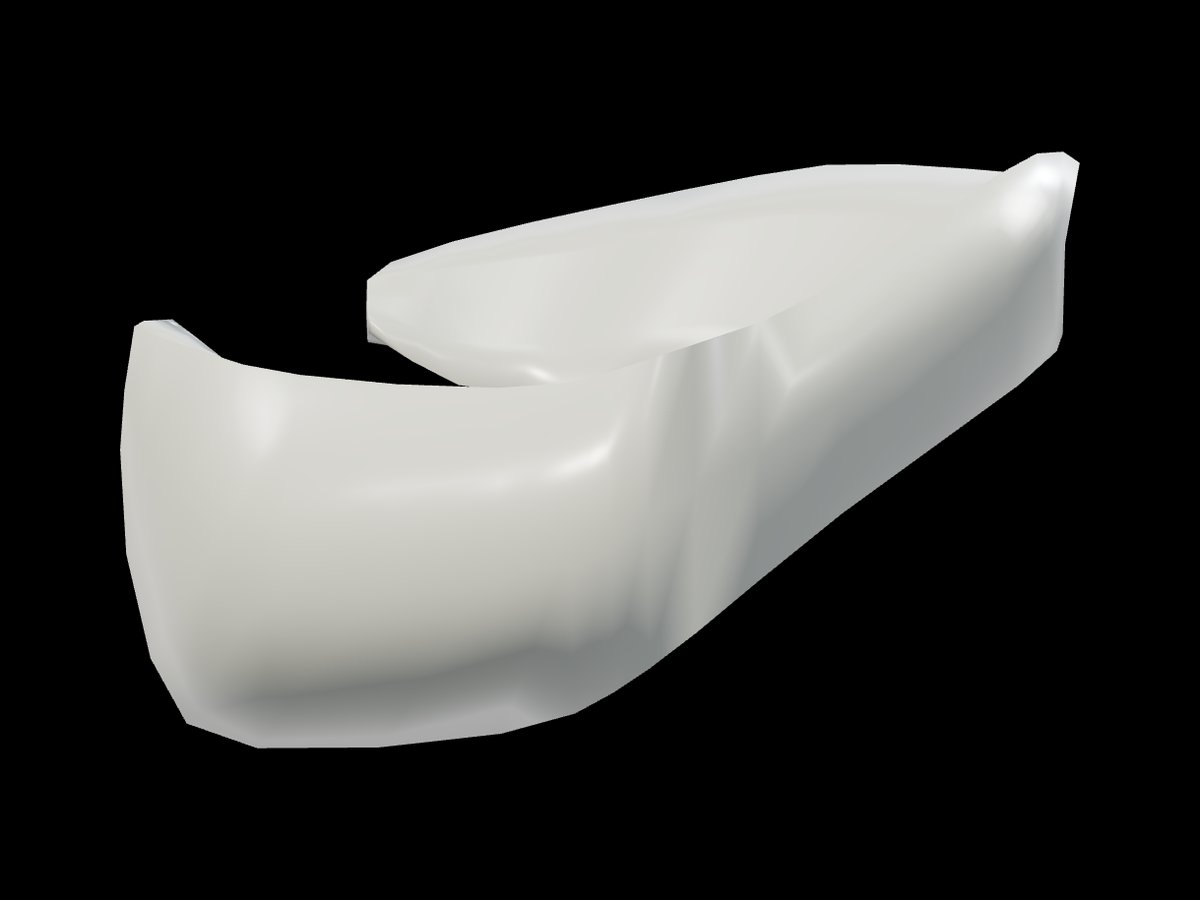
The lateral meniscus is an almost circular ring of fibrocartilage on the outer tibial plateau. It is smaller and more mobile than the medial meniscus because it is not attached to the fibular collateral ligament.
Other names: Meniscus lateralis (Latin) · Ménisque latéral (French) · Menisco lateral (Spanish, Portuguese)
Key facts
- Type
- Intra-articular fibrocartilage (meniscus)
- Arterial supply
- Lateral genicular arteries supply its periphery
- Function
- Shares load, absorbs shock and stabilises the lateral compartment; popliteus pulls its back part out of the way during flexion.
Location and relations
Lateral tibial plateau, covering more of its surface than the medial meniscus covers medially; its horns attach close together in the intercondylar area; the popliteus tendon separates it from the fibular collateral ligament.
Clinical notes
- Often torn together with an acute anterior cruciate ligament tear
- A discoid (disc-shaped) lateral meniscus is a developmental variant that can cause a snapping knee in children; it is more common in East Asian populations
Quick answers
Where is the lateral meniscus located?
Lateral tibial plateau, covering more of its surface than the medial meniscus covers medially; its horns attach close together in the intercondylar area; the popliteus tendon separates it from the fibular collateral ligament.
What does the lateral meniscus do?
Shares load, absorbs shock and stabilises the lateral compartment; popliteus pulls its back part out of the way during flexion.
What is the blood supply of the lateral meniscus?
Lateral genicular arteries supply its periphery
Notes written for anatmy3d and checked against Gray’s Anatomy, Moore’s Clinically Oriented Anatomy and Netter. Last reviewed .