ArteriesSystemic arteries
Branch to angular gyrus
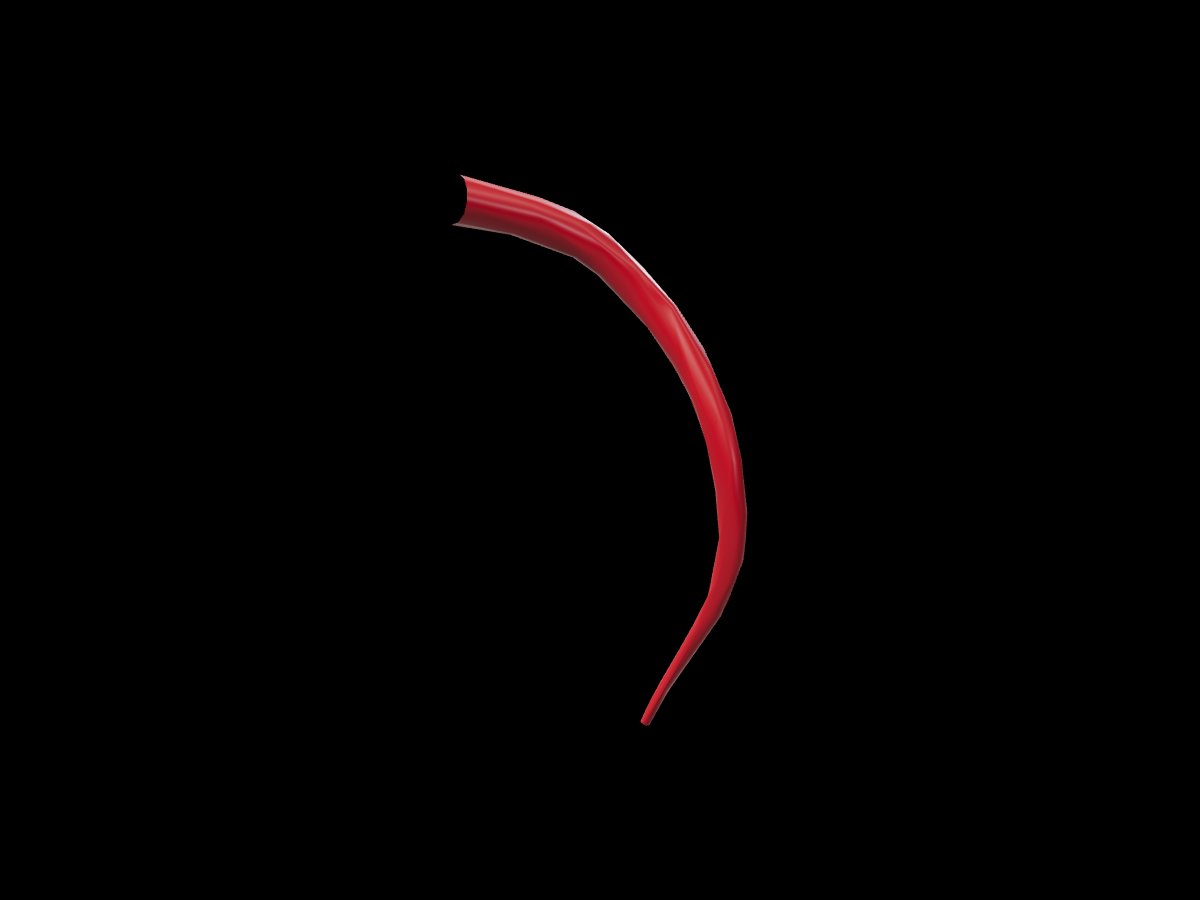
The branch to the angular gyrus (angular artery) is usually the end branch of the middle cerebral artery, emerging from the back of the lateral sulcus.
Key facts
- Type
- Cortical cerebral artery
- Supplies
- Angular gyrus and nearby parietal and temporal cortex
- Course
- Emerges from the posterior end of the lateral sulcus and runs back over the angular gyrus.
- Function
- Usually the last branch of the middle cerebral artery, carrying oxygen-rich blood back over the angular gyrus and the nearby parietal and temporal cortex.
Clinical notes
- Damage in the dominant hemisphere can cause difficulty with writing, calculation, naming fingers and telling left from right (Gerstmann syndrome), often with difficulty reading
Quick answers
What is the course of the branch to angular gyrus?
Emerges from the posterior end of the lateral sulcus and runs back over the angular gyrus.
What does the branch to angular gyrus supply?
Angular gyrus and nearby parietal and temporal cortex
Notes written for anatmy3d and checked against Gray’s Anatomy, Moore’s Clinically Oriented Anatomy and Netter. Last reviewed .