ArteriesSystemic arteries
Common interosseous artery
Arteria interossea communis
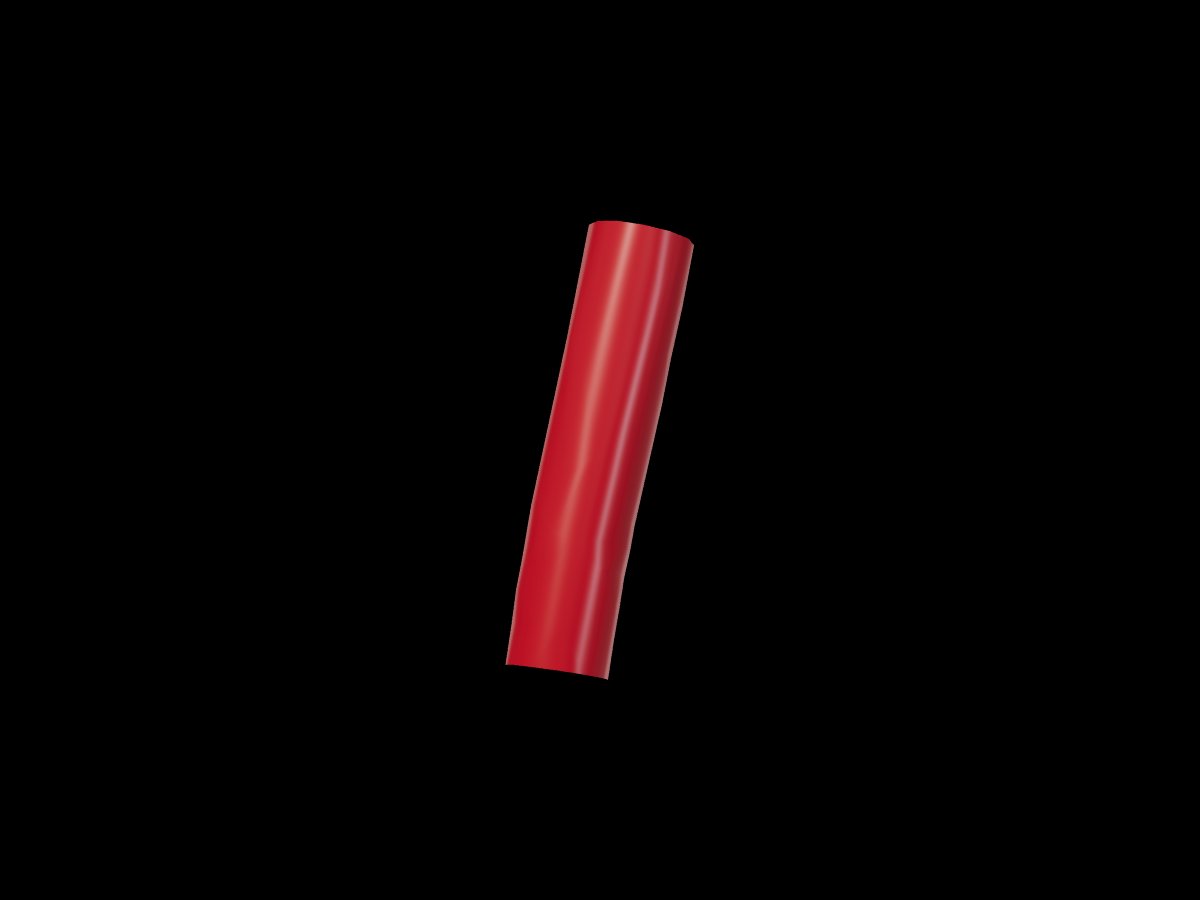
The common interosseous artery is a short trunk from the ulnar artery that divides into the anterior and posterior interosseous arteries.
Other names: Arteria interossea communis (Latin) · Artère interosseuse commune (French) · Arteria interósea común (Spanish) · Artéria interóssea comum (Portuguese)
Key facts
- Type
- Arterial trunk
- Supplies
- Deep forearm muscles on both sides of the interosseous membrane, radius and ulna
- Branches
- Anterior and posterior interosseous arteries
- Course
- Arises from the ulnar artery just below the radial tuberosity and divides at the upper border of the interosseous membrane.
- Function
- A short trunk that carries oxygen-rich blood from the ulnar artery and splits at the interosseous membrane to supply the deep muscles on both sides of it, the radius and the ulna.
Clinical notes
- Its branches supply the deep flexors and extensors, which are affected first in forearm compartment syndrome
Quick answers
What is the course of the common interosseous artery?
Arises from the ulnar artery just below the radial tuberosity and divides at the upper border of the interosseous membrane.
What are the branches of the common interosseous artery?
Anterior and posterior interosseous arteries
What does the common interosseous artery supply?
Deep forearm muscles on both sides of the interosseous membrane, radius and ulna
Notes written for anatmy3d and checked against Gray’s Anatomy, Moore’s Clinically Oriented Anatomy and Netter. Last reviewed .