MusclesMedial compartment of the thigh
Gracilis muscle
Musculus gracilis
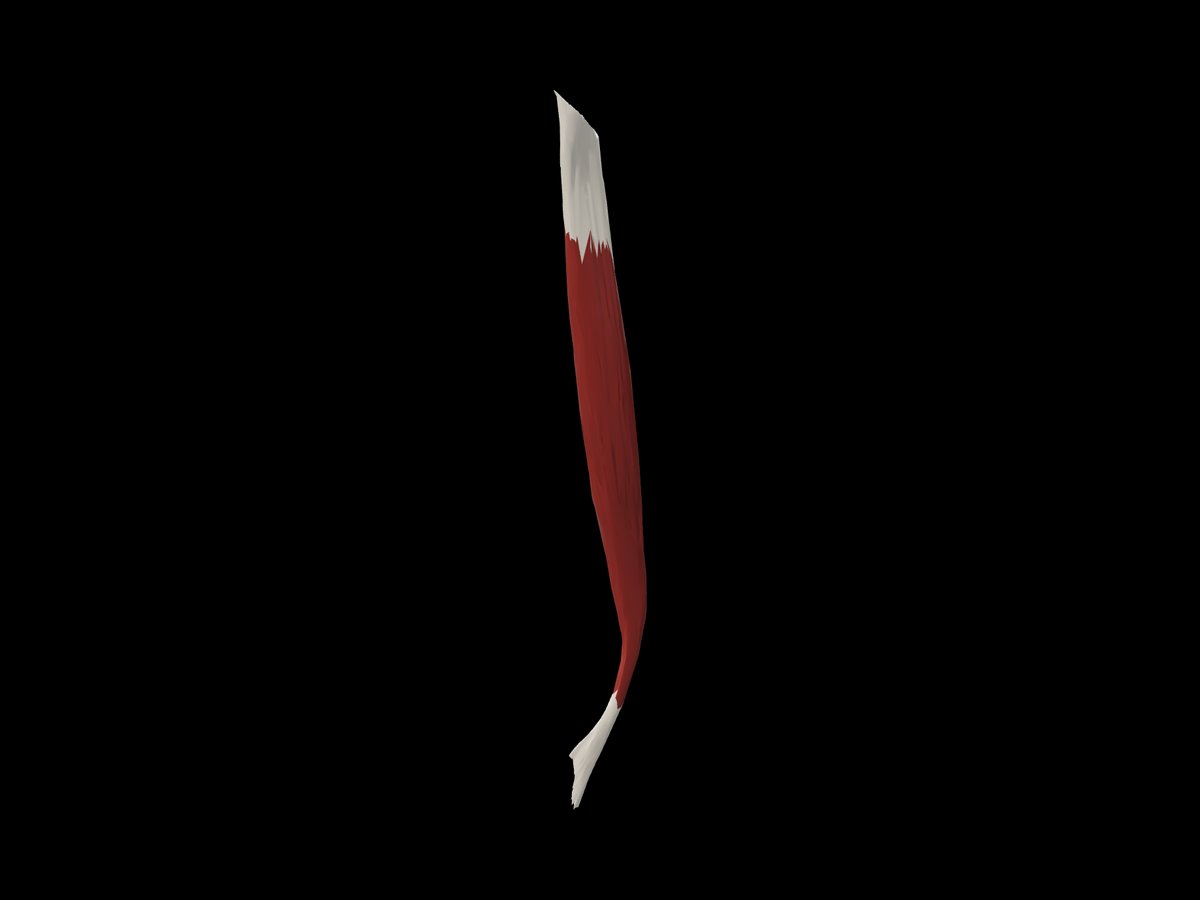
Gracilis is a long, slender strap muscle on the inner thigh, running from the pubis to the upper medial tibia. It is the only adductor that crosses the knee and is often used as a muscle flap or tendon graft.
Other names: Musculus gracilis (Latin) · Muscle gracile (French) · Músculo grácil (Spanish) · Músculo gracilis (Portuguese)
Key facts
- Origin
- Body and inferior ramus of the pubis
- Insertion
- Medial surface of the upper tibia (pes anserinus)
- Action
- Adducts the thigh; flexes and medially rotates the leg
- Nerve supply
- Obturator nerve (L2–L3)
- Arterial supply
- Deep femoral and medial circumflex femoral arteries
- Function
- Adducts the thigh, flexes the knee and medially rotates the leg.
Location and relations
Most medial and superficial muscle of the thigh, inserting in the pes anserinus between sartorius and semitendinosus.
Surface anatomy
A cord felt along the inner thigh near the knee.
Clinical notes
- Its tendon is harvested with semitendinosus for anterior cruciate ligament reconstruction
- As a free muscle flap it is used to restore movement (for example smile reanimation)
Quick answers
What are the origin and insertion of the gracilis muscle?
Origin: Body and inferior ramus of the pubis. Insertion: Medial surface of the upper tibia (pes anserinus).
What does the gracilis muscle do?
Adducts the thigh; flexes and medially rotates the leg
What is the nerve supply of the gracilis muscle?
Obturator nerve (L2–L3)
What is the blood supply of the gracilis muscle?
Deep femoral and medial circumflex femoral arteries
Where is the gracilis muscle located?
Most medial and superficial muscle of the thigh, inserting in the pes anserinus between sartorius and semitendinosus.
Notes written for anatmy3d and checked against Gray’s Anatomy, Moore’s Clinically Oriented Anatomy and Netter. Last reviewed .