Inferior nasal concha bone
Concha nasalis inferior
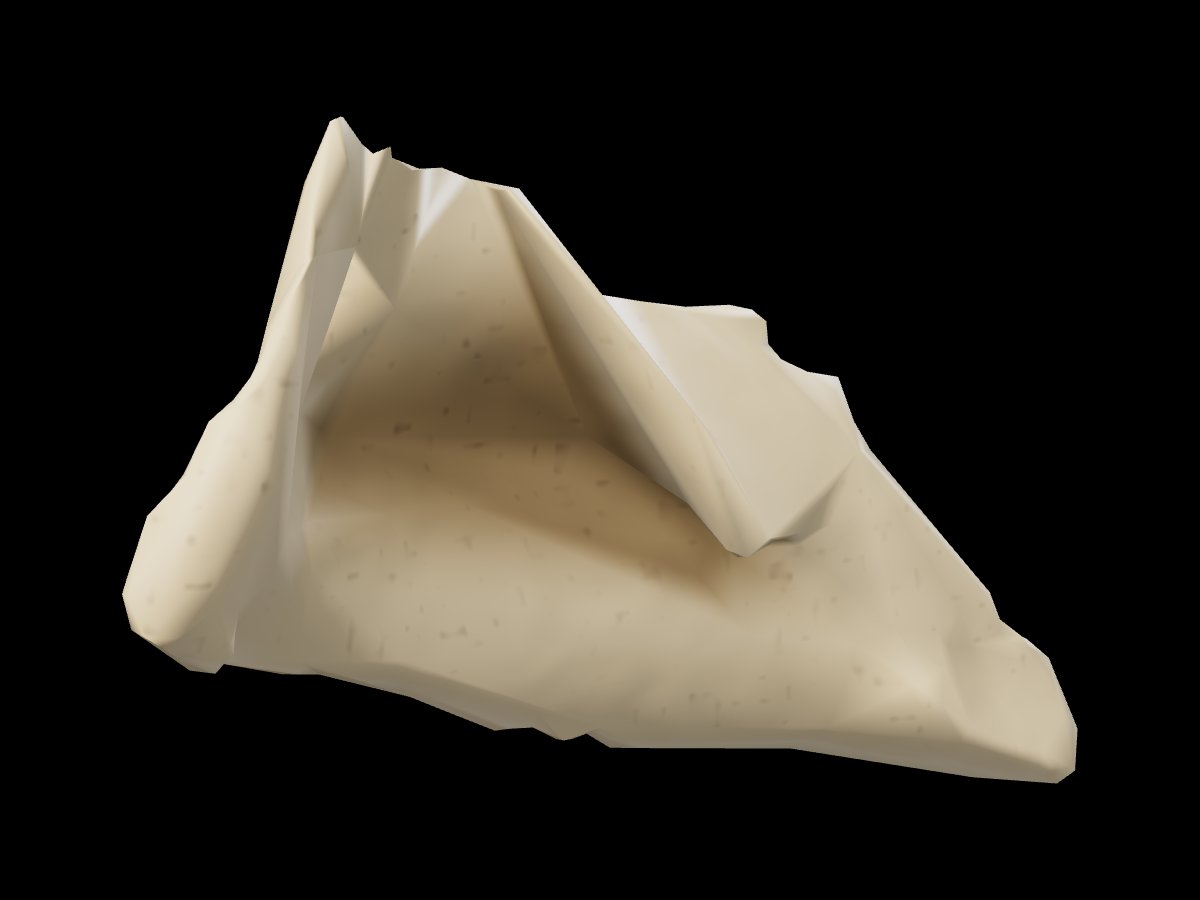
The inferior nasal concha is a separate scroll-shaped bone on the side wall of the nasal cavity. Covered with thick, vascular mucosa, it warms and humidifies the air we breathe.
Other names: Concha nasalis inferior (Latin) · Os cornet nasal inférieur (French) · Concha nasal inferior (Spanish) · Osso da concha nasal inferior (Portuguese)
Key facts
- Type
- Irregular bone (facial)
- Nerve supply
- Branches of the maxillary nerve
- Arterial supply
- Branches of the sphenopalatine artery
- Articulations
- Maxilla, lacrimal, ethmoid and palatine bones
- Ossification
- In cartilage, one centre in the 5th fetal month
- Function
- The conchae increase the surface area of the nose and create turbulent airflow, warming, moistening and filtering inspired air
Location and relations
Lower part of the lateral wall of the nasal cavity, above the floor of the nose; the nasolacrimal duct opens below it.
Parts and features
- Curled plate with a free lower border
- Lacrimal, maxillary and ethmoidal processes
Surface anatomy
Seen as a pink swelling on the side wall when looking into the nostril with a light.
Clinical notes
- Enlargement of the inferior turbinates (allergy, rhinitis) blocks the nose; reduction surgery is common
- The nasolacrimal duct opens in the inferior meatus beneath it
Quick answers
Where is the inferior nasal concha bone located?
Lower part of the lateral wall of the nasal cavity, above the floor of the nose; the nasolacrimal duct opens below it.
What does the inferior nasal concha bone articulate with?
Maxilla, lacrimal, ethmoid and palatine bones
When does the inferior nasal concha bone ossify?
In cartilage, one centre in the 5th fetal month
What is the blood supply of the inferior nasal concha bone?
Branches of the sphenopalatine artery
What does the inferior nasal concha bone do?
The conchae increase the surface area of the nose and create turbulent airflow, warming, moistening and filtering inspired air
Notes written for anatmy3d and checked against Gray’s Anatomy, Moore’s Clinically Oriented Anatomy and Netter. Last reviewed .