Eyes and ears / sense organsLacrimal apparatus
Nasolacrimal duct
Ductus nasolacrimalis
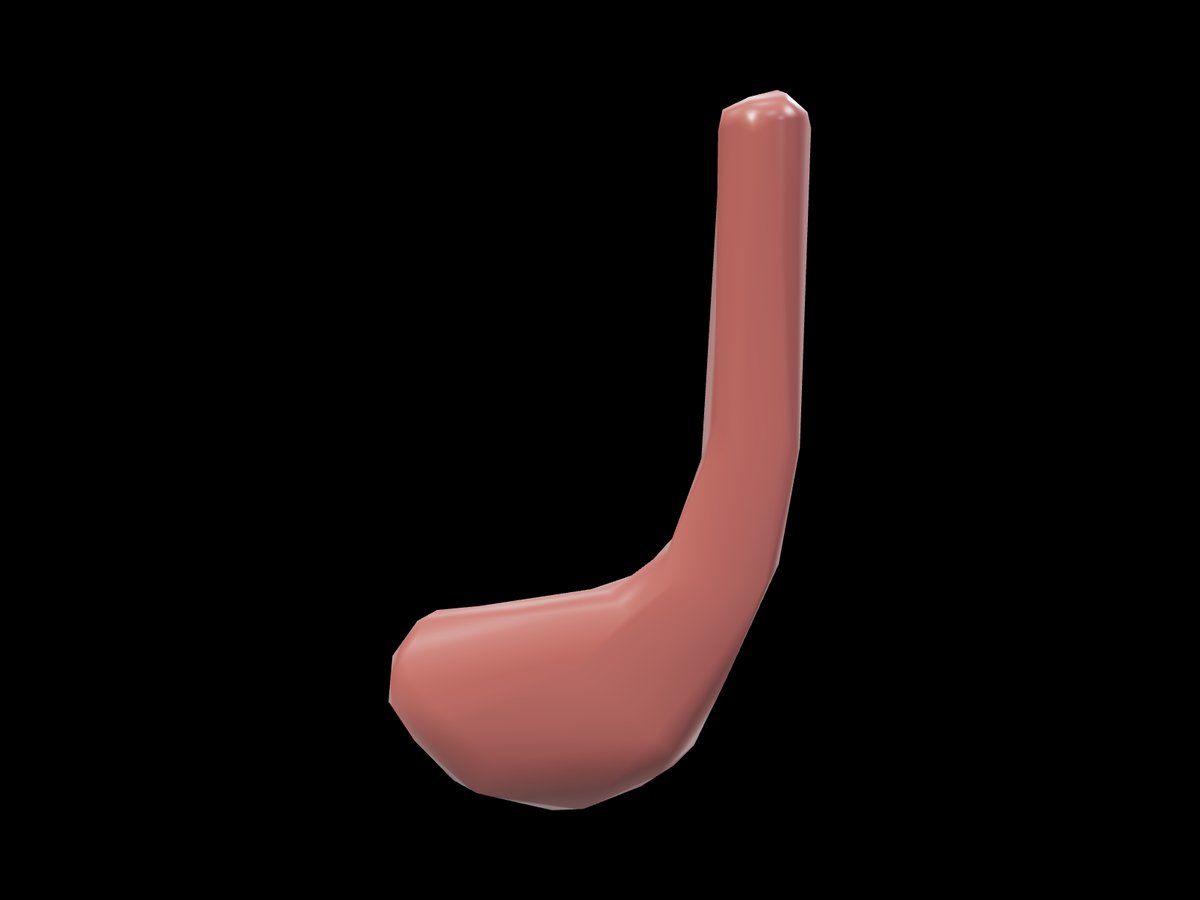
The nasolacrimal duct carries tears from the lacrimal sac down into the nose. This is why crying makes the nose run.
Other names: Ductus nasolacrimalis (Latin) · Canal lacrymonasal (French) · Canal nasolagrimal (Spanish) · Ducto nasolacrimal (Portuguese)
Key facts
- Type
- Tear drainage duct
- Function
- Drains tears into the nasal cavity.
Location and relations
In a bony canal formed by the maxilla, lacrimal bone and inferior concha, opening into the inferior meatus of the nose, where a fold of lining (valve of Hasner) guards its end.
Clinical notes
- Blockage is common in newborns, causing a watery, sticky eye; most cases clear by one year, helped by massage
- In adults, blockage causes watering and can lead to infection of the lacrimal sac
- Eye drops can be tasted because they drain through it into the throat
Quick answers
Where is the nasolacrimal duct located?
In a bony canal formed by the maxilla, lacrimal bone and inferior concha, opening into the inferior meatus of the nose, where a fold of lining (valve of Hasner) guards its end.
What does the nasolacrimal duct do?
Drains tears into the nasal cavity.
Notes written for anatmy3d and checked against Gray’s Anatomy, Moore’s Clinically Oriented Anatomy and Netter. Last reviewed .