VeinsSystemic veins
Inferior vena cava (thoracic part)
Vena cava inferior (part thoracica)
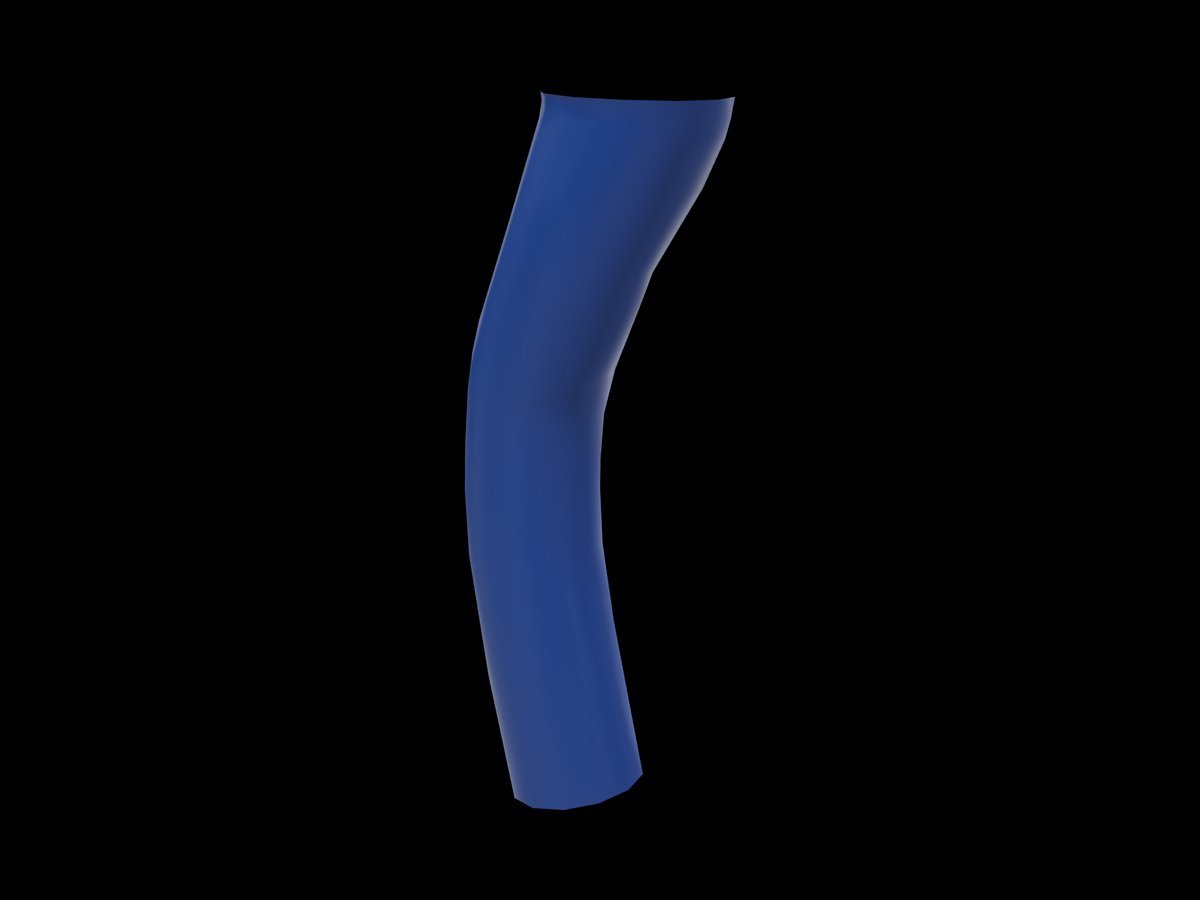
The thoracic part of the inferior vena cava is the very short final section of the body's largest vein, running from the diaphragm into the right atrium.
Other names: Vena cava inferior (part thoracica) (Latin) · Veine cave inférieure (partie thoracique) (French) · Vena cava inferior (parte torácica) (Spanish) · Veia cava inferior (parte torácica) (Portuguese)
Key facts
- Type
- Great vein
- Drains
- All blood from the lower limbs, pelvis and abdomen
- Tributaries
- Inferior vena cava (abdominal part); sometimes small phrenic veins
- Course
- Passes through the caval opening in the central tendon of the diaphragm at about T8 and enters the lower back part of the right atrium after only about 1–2 cm.
- Function
- Carries almost all the venous blood from below the diaphragm into the right atrium after only 1–2 cm in the chest; each breath in lowers chest pressure and widens the caval opening, drawing this blood towards the heart.
Clinical notes
- The caval opening widens with each breath in, helping blood return to the heart
- Its valve in the right atrium (the Eustachian valve) directed oxygen-rich blood across the foramen ovale before birth
Quick answers
What is the course of the inferior vena cava (thoracic part)?
Passes through the caval opening in the central tendon of the diaphragm at about T8 and enters the lower back part of the right atrium after only about 1–2 cm.
What are the tributaries of the inferior vena cava (thoracic part)?
Inferior vena cava (abdominal part); sometimes small phrenic veins
What does the inferior vena cava (thoracic part) drain?
All blood from the lower limbs, pelvis and abdomen
Notes written for anatmy3d and checked against Gray’s Anatomy, Moore’s Clinically Oriented Anatomy and Netter. Last reviewed .