Digestive systemDigestive canal
Oesophagus
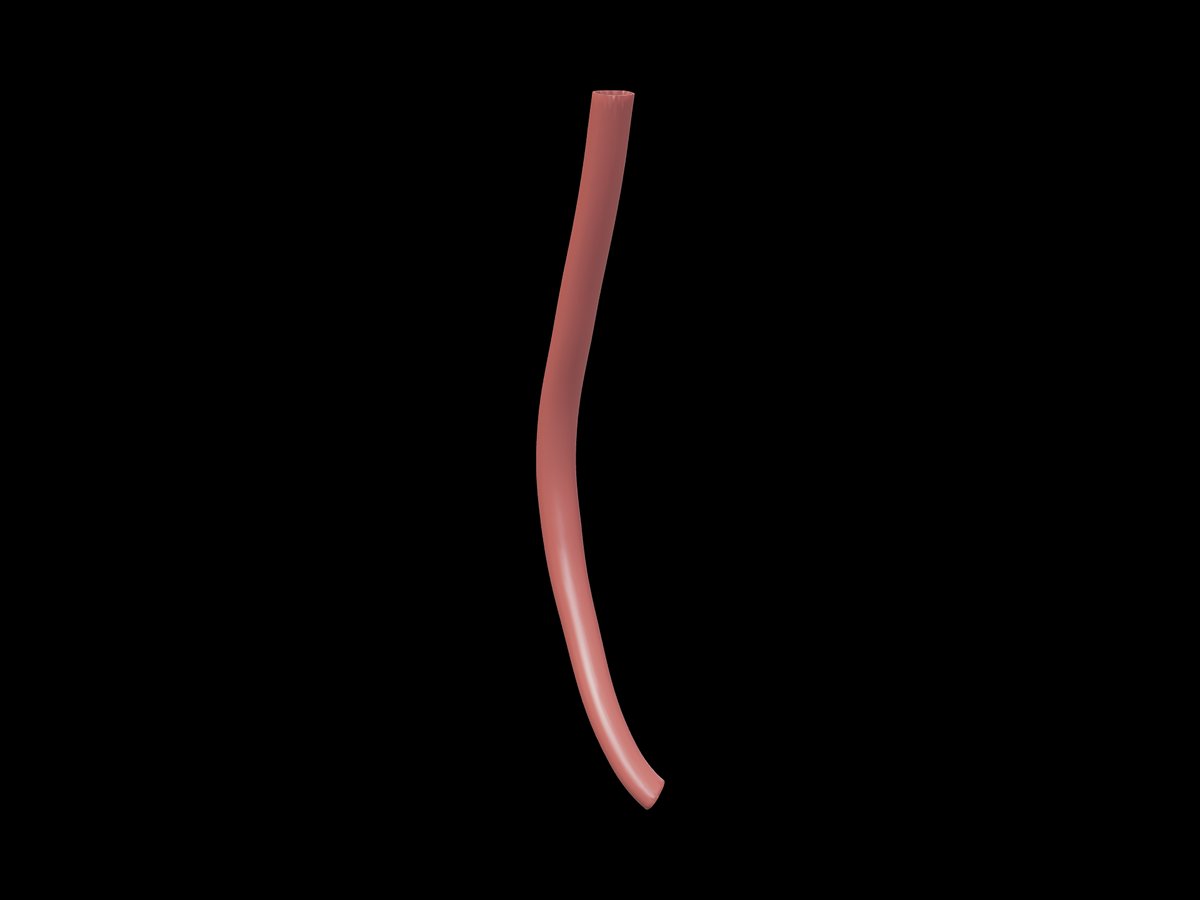
The oesophagus is the muscular tube that carries swallowed food from the throat to the stomach. It is about 25 cm long.
Other names: Oesophage (French) · Esófago (Spanish) · Esôfago (Portuguese)
Key facts
- Type
- Part of the digestive tract
- Nerve supply
- Vagus nerves and sympathetic trunks (oesophageal plexus)
- Arterial supply
- Inferior thyroid artery, oesophageal branches of the aorta, left gastric artery
- Function
- Moves food to the stomach by waves of muscle contraction (peristalsis) and prevents reflux of stomach contents.
Location and relations
From the cricoid cartilage (C6) down behind the trachea and heart, through the diaphragm at T10, to the stomach at about T11.
Parts and features
- Cervical, thoracic and abdominal parts
- Upper (cricopharyngeus) and lower oesophageal sphincters
- Narrowings at the cricoid, the aortic arch and left main bronchus, and the diaphragm
Clinical notes
- Acid reflux causes heartburn and can change the lining (Barrett oesophagus), which raises the risk of cancer
- Its lower end is a site of connections between the portal and body veins that swell into varices in liver cirrhosis and can bleed severely
- Food can stick at its natural narrowings
Quick answers
Where is the oesophagus located?
From the cricoid cartilage (C6) down behind the trachea and heart, through the diaphragm at T10, to the stomach at about T11.
What does the oesophagus do?
Moves food to the stomach by waves of muscle contraction (peristalsis) and prevents reflux of stomach contents.
What is the nerve supply of the oesophagus?
Vagus nerves and sympathetic trunks (oesophageal plexus)
What is the blood supply of the oesophagus?
Inferior thyroid artery, oesophageal branches of the aorta, left gastric artery
Notes written for anatmy3d and checked against Gray’s Anatomy, Moore’s Clinically Oriented Anatomy and Netter. Last reviewed .