Joints and ligamentsIntervertebral symphysis
Intervertebral disc C5-C6
Discus intervertebralis C5-C6
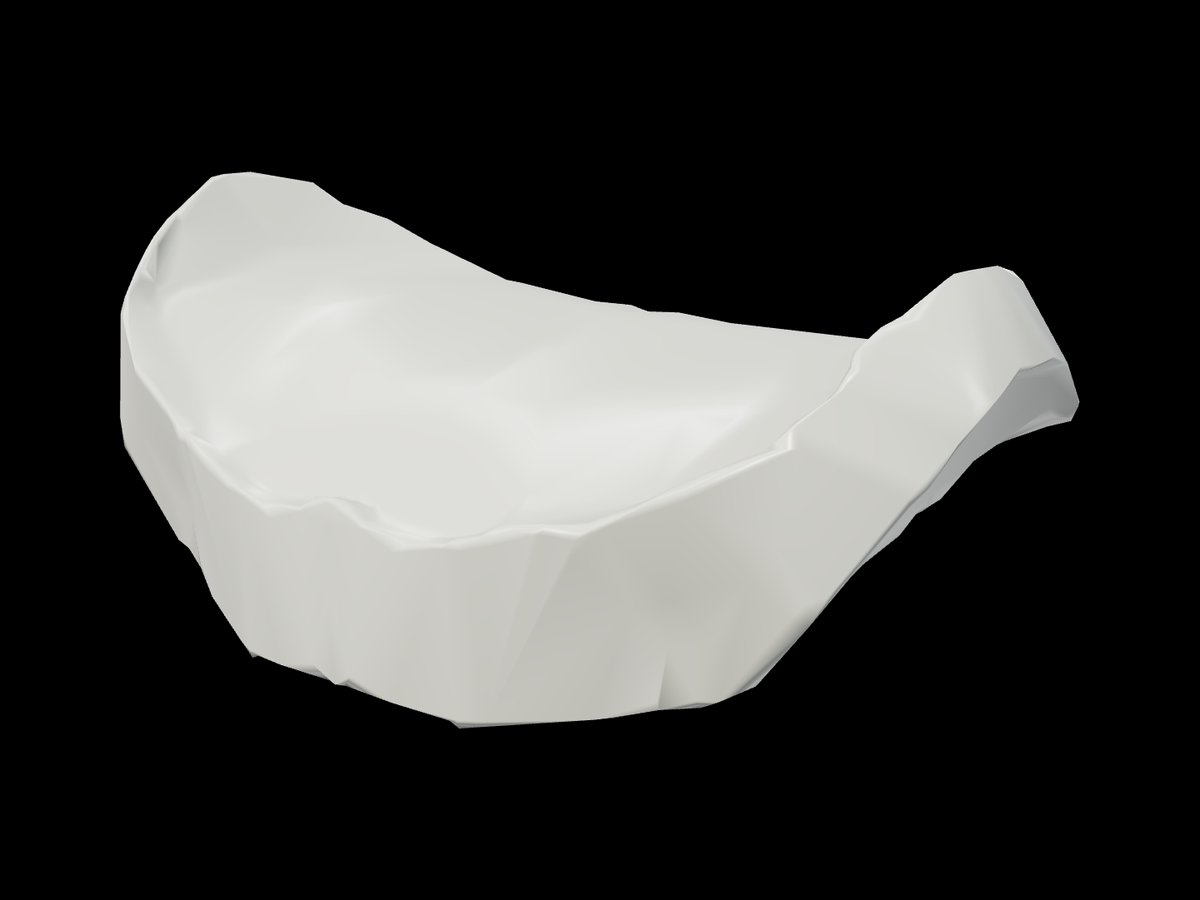
The C5–C6 intervertebral disc joins the bodies of the fifth and sixth cervical vertebrae. It lies at the most mobile level of the lower neck and, with C6–C7, wears and herniates most often.
Other names: Discus intervertebralis C5-C6 (Latin) · Disque intervertébral C5-C6 (French) · Disco intervertebral C5-C6 (Spanish, Portuguese)
Key facts
- Type
- Secondary cartilaginous joint (symphysis): annulus fibrosus around a nucleus pulposus between cartilage end plates; small uncovertebral joints lie at its sides
- Nerve supply
- Sinuvertebral (recurrent meningeal) nerves and sympathetic branches supply the outer annulus only
- Arterial supply
- The adult disc is almost avascular (small vessels reach only the outermost annulus); it is nourished mainly by diffusion through the end plates from the vertebral bodies
- Function
- Carries a large share of the neck's bending and straightening. Cervical discs are thicker in front than behind, which helps create the forward curve (lordosis) of the neck.
Location and relations
Lower neck, just above the cricoid cartilage; the C6 nerve roots leave beside it, and the carotid tubercle of C6 lies just below and to the side.
Parts and features
Annulus fibrosus (concentric rings of fibrocartilage), nucleus pulposus (gel-like core), cartilaginous end plates
Surface anatomy
Just above the cricoid cartilage, which marks the C6 vertebra.
Clinical notes
- Herniation presses on the C6 root: weakness of elbow flexion and wrist extension, reduced biceps and brachioradialis reflexes, and numbness of the thumb and index finger
- The commonest level for neck wear (cervical spondylosis) and for anterior cervical discectomy and fusion
- Central herniation can compress the spinal cord, causing clumsy hands and an unsteady walk
Quick answers
Where is the intervertebral disc C5-C6 located?
Lower neck, just above the cricoid cartilage; the C6 nerve roots leave beside it, and the carotid tubercle of C6 lies just below and to the side.
What does the intervertebral disc C5-C6 do?
Carries a large share of the neck's bending and straightening. Cervical discs are thicker in front than behind, which helps create the forward curve (lordosis) of the neck.
What is the nerve supply of the intervertebral disc C5-C6?
Sinuvertebral (recurrent meningeal) nerves and sympathetic branches supply the outer annulus only
What is the blood supply of the intervertebral disc C5-C6?
The adult disc is almost avascular (small vessels reach only the outermost annulus); it is nourished mainly by diffusion through the end plates from the vertebral bodies
Notes written for anatmy3d and checked against Gray’s Anatomy, Moore’s Clinically Oriented Anatomy and Netter. Last reviewed .