Joints and ligamentsIntervertebral symphysis
Intervertebral disc C7-T1
Discus intervertebralis C7-T1
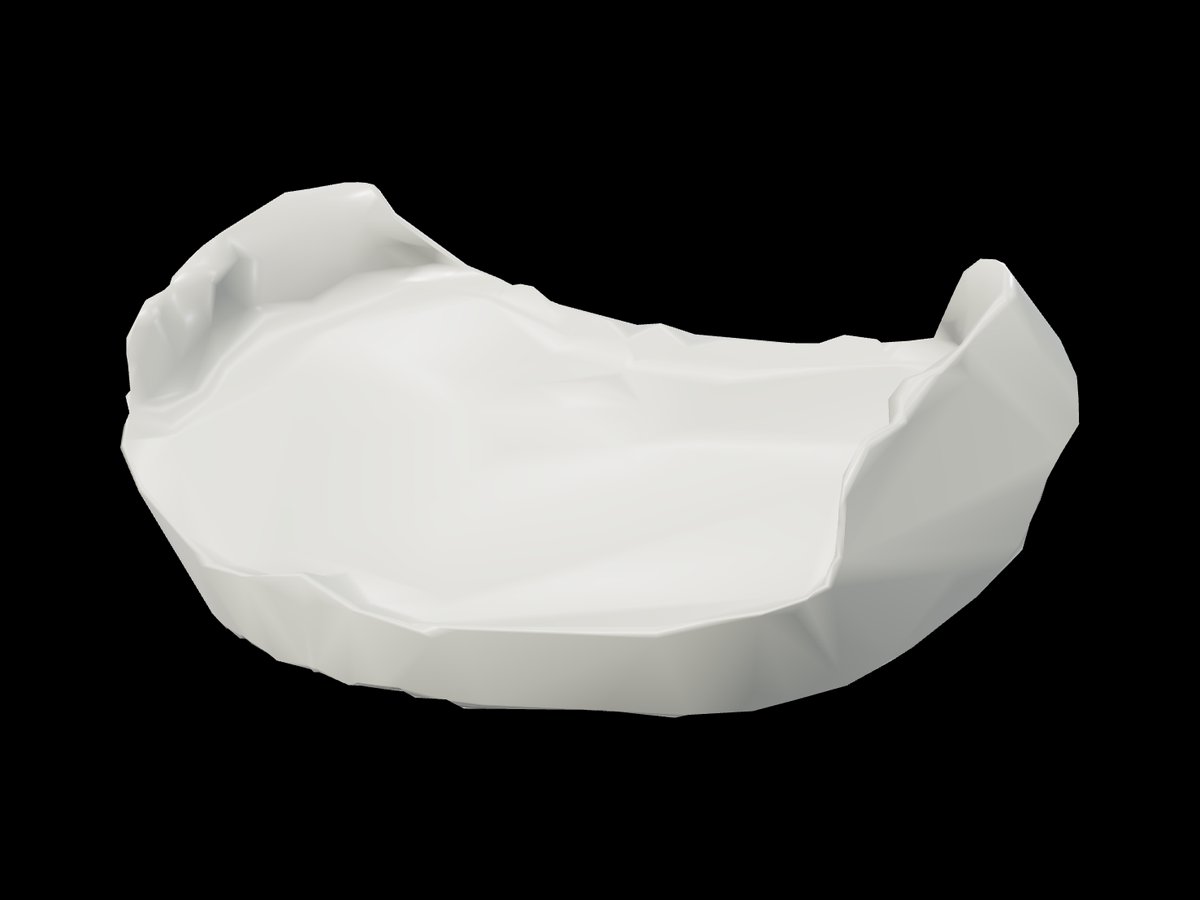
The C7–T1 intervertebral disc joins the bodies of the seventh cervical and first thoracic vertebrae. It lies at the junction of the mobile neck and the stiff thoracic spine.
Other names: Discus intervertebralis C7-T1 (Latin) · Disque intervertébral C7-T1 (French) · Disco intervertebral C7-T1 (Spanish, Portuguese)
Key facts
- Type
- Secondary cartilaginous joint (symphysis): annulus fibrosus around a nucleus pulposus between cartilage end plates
- Nerve supply
- Sinuvertebral (recurrent meningeal) nerves and sympathetic branches supply the outer annulus only
- Arterial supply
- The adult disc is almost avascular (small vessels reach only the outermost annulus); it is nourished mainly by diffusion through the end plates from the vertebral bodies
- Function
- Transfers load between the curved neck and the thoracic spine. Cervical discs are thicker in front than behind, which helps create the forward curve (lordosis) of the neck.
Location and relations
Base of the neck, just below the prominent C7 spinous process; the C8 nerve roots leave beside it and the domes of the lungs lie close in front and to the sides.
Parts and features
Annulus fibrosus (concentric rings of fibrocartilage), nucleus pulposus (gel-like core), cartilaginous end plates
Surface anatomy
Just below the bump of the C7 spinous process (vertebra prominens).
Clinical notes
- Herniation presses on the C8 root: weak grip and finger flexion and numbness of the ring and little fingers and inner forearm
- This junction is hidden by the shoulders on side X-rays, so special views or CT are used after injury
- A tumour at the apex of the lung (Pancoast tumour) can cause similar C8 symptoms
Quick answers
Where is the intervertebral disc C7-T1 located?
Base of the neck, just below the prominent C7 spinous process; the C8 nerve roots leave beside it and the domes of the lungs lie close in front and to the sides.
What does the intervertebral disc C7-T1 do?
Transfers load between the curved neck and the thoracic spine. Cervical discs are thicker in front than behind, which helps create the forward curve (lordosis) of the neck.
What is the nerve supply of the intervertebral disc C7-T1?
Sinuvertebral (recurrent meningeal) nerves and sympathetic branches supply the outer annulus only
What is the blood supply of the intervertebral disc C7-T1?
The adult disc is almost avascular (small vessels reach only the outermost annulus); it is nourished mainly by diffusion through the end plates from the vertebral bodies
Notes written for anatmy3d and checked against Gray’s Anatomy, Moore’s Clinically Oriented Anatomy and Netter. Last reviewed .