Joints and ligamentsIntervertebral symphysis
Intervertebral disc C6-C7
Discus intervertebralis C6-C7
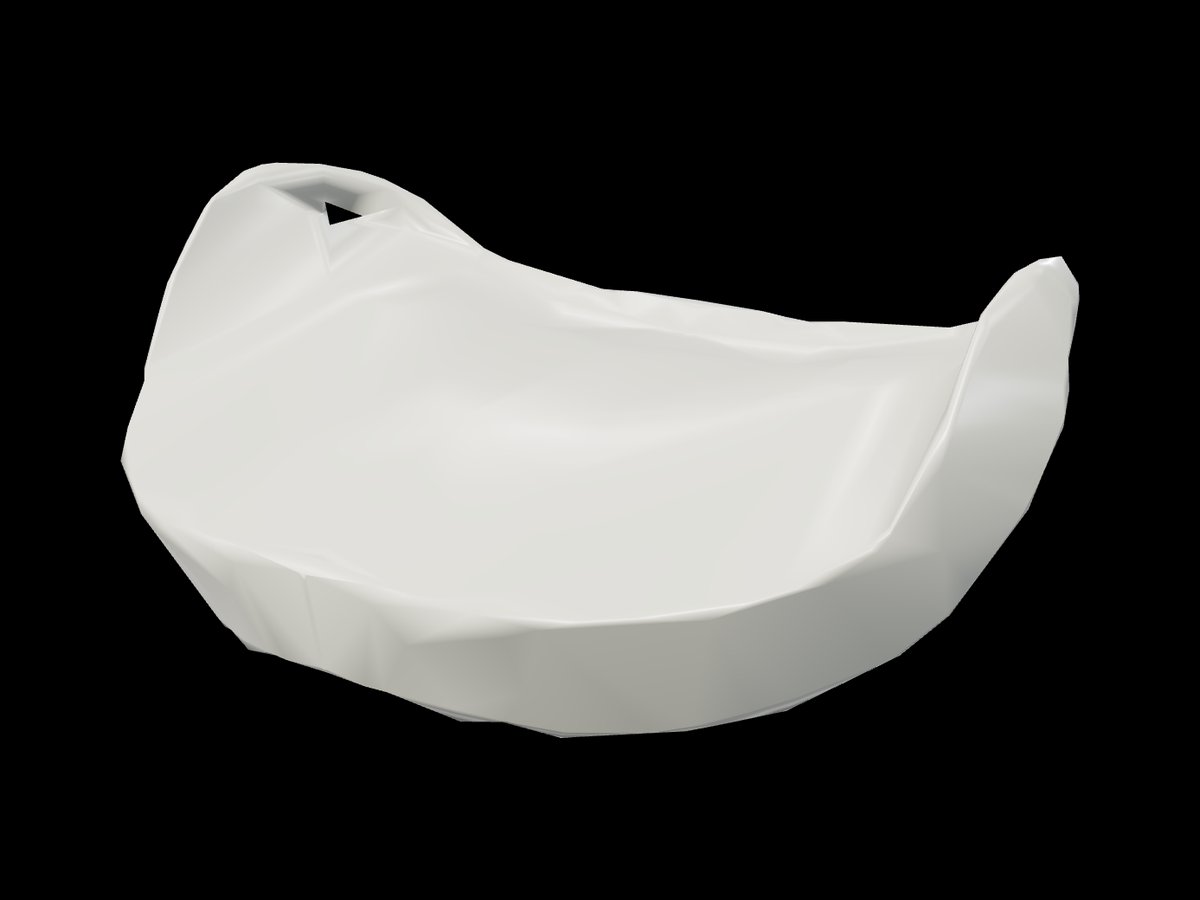
The C6–C7 intervertebral disc joins the bodies of the sixth and seventh cervical vertebrae. Herniation here, onto the C7 root, is the commonest cause of nerve-root pain in the arm.
Other names: Discus intervertebralis C6-C7 (Latin) · Disque intervertébral C6-C7 (French) · Disco intervertebral C6-C7 (Spanish, Portuguese)
Key facts
- Type
- Secondary cartilaginous joint (symphysis): annulus fibrosus around a nucleus pulposus between cartilage end plates; small uncovertebral joints lie at its sides
- Nerve supply
- Sinuvertebral (recurrent meningeal) nerves and sympathetic branches supply the outer annulus only
- Arterial supply
- The adult disc is almost avascular (small vessels reach only the outermost annulus); it is nourished mainly by diffusion through the end plates from the vertebral bodies
- Function
- Transmits load to the lower neck and allows bending and straightening. Cervical discs are thicker in front than behind, which helps create the forward curve (lordosis) of the neck.
Location and relations
Lower neck, just below the cricoid cartilage; the C7 nerve roots leave beside it.
Parts and features
Annulus fibrosus (concentric rings of fibrocartilage), nucleus pulposus (gel-like core), cartilaginous end plates
Surface anatomy
Just below the cricoid cartilage, above the prominent C7 spinous process.
Clinical notes
- Herniation presses on the C7 root: weakness of elbow extension (triceps), wrist flexion and finger extension, a reduced triceps reflex and numbness of the middle finger
- With C5–C6, the commonest level for cervical disc surgery
Quick answers
Where is the intervertebral disc C6-C7 located?
Lower neck, just below the cricoid cartilage; the C7 nerve roots leave beside it.
What does the intervertebral disc C6-C7 do?
Transmits load to the lower neck and allows bending and straightening. Cervical discs are thicker in front than behind, which helps create the forward curve (lordosis) of the neck.
What is the nerve supply of the intervertebral disc C6-C7?
Sinuvertebral (recurrent meningeal) nerves and sympathetic branches supply the outer annulus only
What is the blood supply of the intervertebral disc C6-C7?
The adult disc is almost avascular (small vessels reach only the outermost annulus); it is nourished mainly by diffusion through the end plates from the vertebral bodies
Notes written for anatmy3d and checked against Gray’s Anatomy, Moore’s Clinically Oriented Anatomy and Netter. Last reviewed .