Eyes and ears / sense organsLacrimal apparatus
Lacrimal gland
Glandula lacrimalis
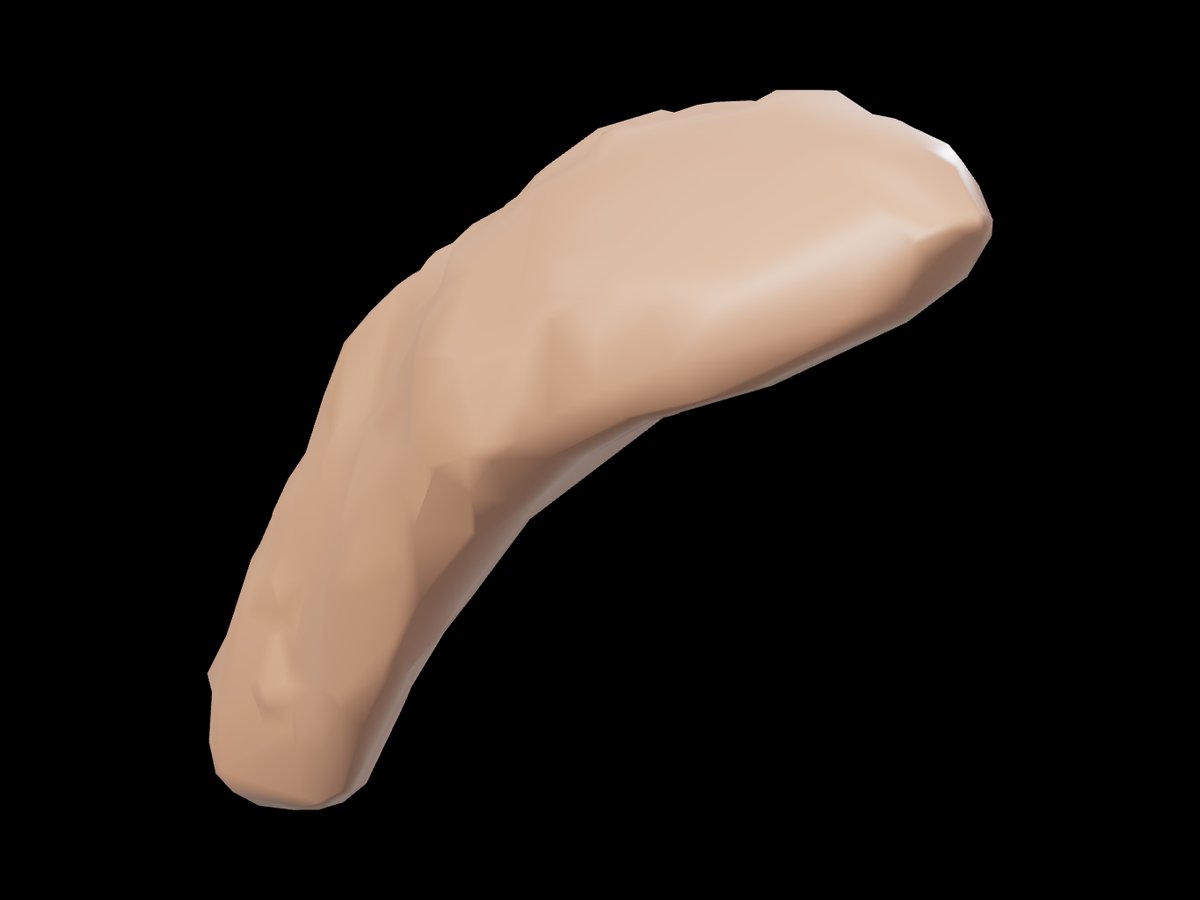
The lacrimal gland produces the watery part of tears. It lies in the upper outer corner of the orbit.
Other names: Glandula lacrimalis (Latin) · Glande lacrymale (French) · Glándula lagrimal (Spanish) · Glândula lacrimal (Portuguese)
Key facts
- Type
- Exocrine gland
- Nerve supply
- Parasympathetic fibres from the facial nerve via the pterygopalatine ganglion and the lacrimal nerve
- Arterial supply
- Lacrimal artery
- Function
- Secretes tears that lubricate, protect and nourish the cornea and wash away irritants.
Location and relations
In the lacrimal fossa of the frontal bone, behind the upper outer orbital rim; the tendon of levator palpebrae divides it into orbital and palpebral parts, and its ducts open into the upper conjunctival fornix.
Clinical notes
- Reduced tear production causes dry eye, as in Sjögren syndrome
- After facial nerve injury, regrowing fibres can make the eye water when eating ("crocodile tears")
- Inflammation or tumours cause a swelling of the upper outer eyelid
Quick answers
Where is the lacrimal gland located?
In the lacrimal fossa of the frontal bone, behind the upper outer orbital rim; the tendon of levator palpebrae divides it into orbital and palpebral parts, and its ducts open into the upper conjunctival fornix.
What does the lacrimal gland do?
Secretes tears that lubricate, protect and nourish the cornea and wash away irritants.
What is the nerve supply of the lacrimal gland?
Parasympathetic fibres from the facial nerve via the pterygopalatine ganglion and the lacrimal nerve
What is the blood supply of the lacrimal gland?
Lacrimal artery
Notes written for anatmy3d and checked against Gray’s Anatomy, Moore’s Clinically Oriented Anatomy and Netter. Last reviewed .