Eyes and ears / sense organsEyeball
Lens
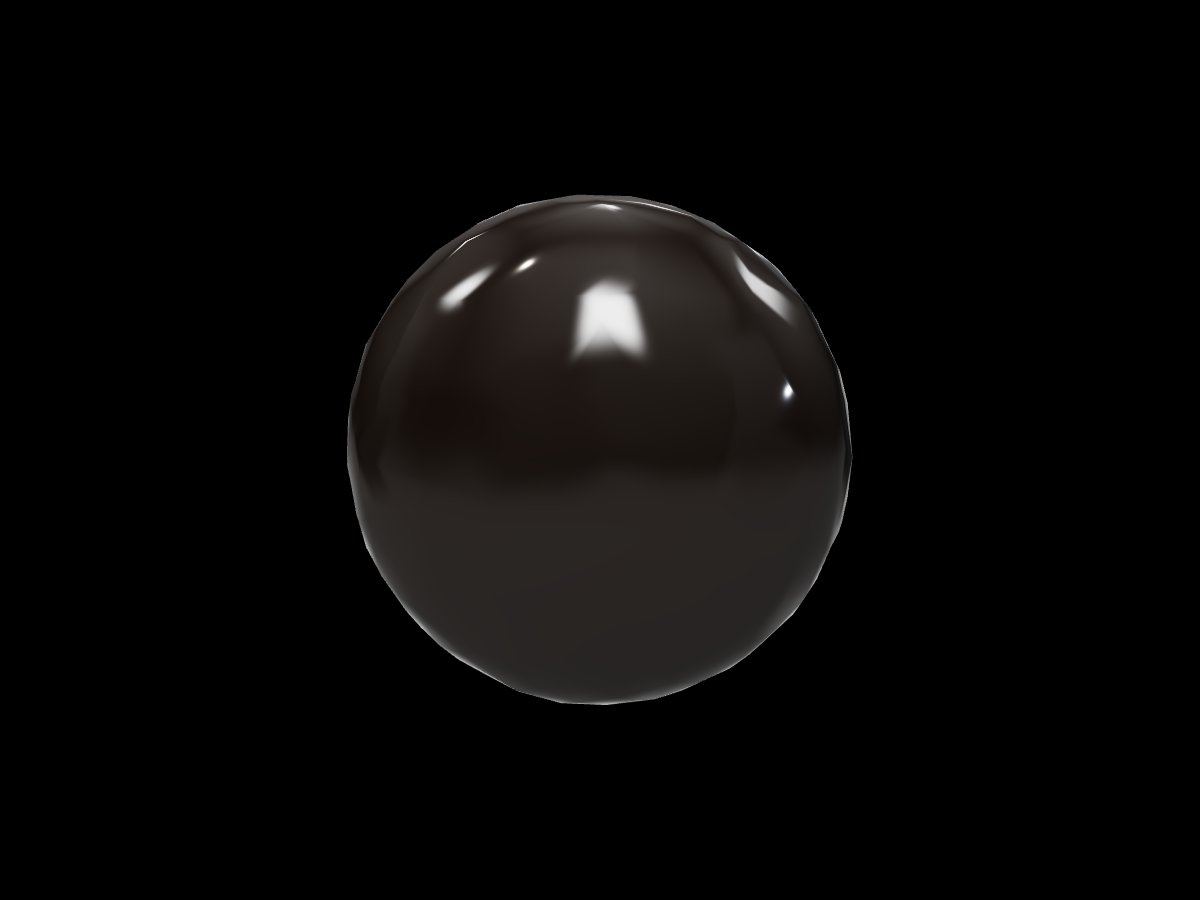
The lens is a clear, flexible disc behind the iris that fine-tunes focus. It changes shape to focus on near or distant objects.
Other names: Cristalin (French) · Lente (Spanish, Portuguese)
Key facts
- Type
- Transparent biconvex structure of the eye
- Function
- Focuses light onto the retina; for near vision the ciliary muscle contracts, the zonules relax and the lens becomes rounder (accommodation).
Location and relations
Behind the iris and pupil, in front of the vitreous body, suspended by the zonular fibres.
Parts and features
- Capsule
- Lens epithelium
- Lens fibres (cortex and nucleus)
Clinical notes
- Clouding of the lens (cataract) is the leading cause of blindness worldwide and is treated by replacing the lens with an artificial one
- The lens stiffens with age, so near focusing becomes difficult from the mid-forties (presbyopia)
- The lens can dislocate in Marfan syndrome
Quick answers
Where is the lens located?
Behind the iris and pupil, in front of the vitreous body, suspended by the zonular fibres.
What does the lens do?
Focuses light onto the retina; for near vision the ciliary muscle contracts, the zonules relax and the lens becomes rounder (accommodation).
Notes written for anatmy3d and checked against Gray’s Anatomy, Moore’s Clinically Oriented Anatomy and Netter. Last reviewed .