Marginal artery
Arteria marginalis coli
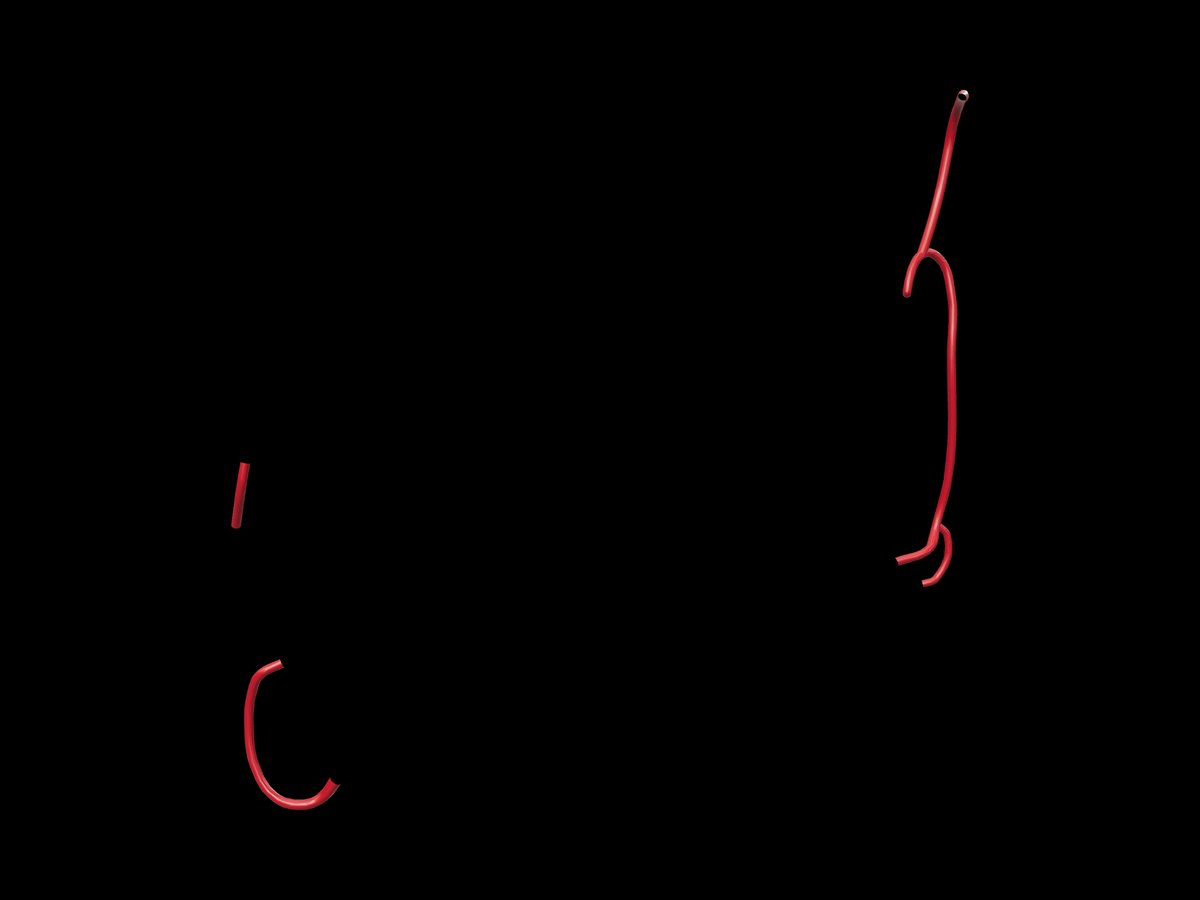
The marginal artery (of Drummond) is a continuous chain of arteries running along the inner edge of the colon, linking the branches of the superior and inferior mesenteric arteries.
Other names: Arteria marginalis coli (Latin) · Artère colique marginale (French) · Arteria marginal del colon (Spanish) · Artéria cólica marginal (Portuguese)
Key facts
- Type
- Arterial anastomosis
- Supplies
- The whole colon, providing a backup route between mesenteric arteries
- Branches
- Straight arteries (vasa recta) to the colon
- Course
- Runs alongside the colon from the ileocolic territory to the rectosigmoid, formed by the joined branches of the colic and sigmoid arteries, and gives the straight arteries (vasa recta) to the bowel wall.
- Function
- Joins the colic and sigmoid branches of both mesenteric arteries into one channel along the colon, feeding its wall through straight arteries; the link is weakest at the splenic flexure watershed.
Clinical notes
- It keeps the left colon alive when the inferior mesenteric artery is tied or covered in aortic surgery
- It is weakest at the splenic flexure and near the rectosigmoid, the commonest sites of ischaemic colitis
Quick answers
What is the course of the marginal artery?
Runs alongside the colon from the ileocolic territory to the rectosigmoid, formed by the joined branches of the colic and sigmoid arteries, and gives the straight arteries (vasa recta) to the bowel wall.
What are the branches of the marginal artery?
Straight arteries (vasa recta) to the colon
What does the marginal artery supply?
The whole colon, providing a backup route between mesenteric arteries
Notes written for anatmy3d and checked against Gray’s Anatomy, Moore’s Clinically Oriented Anatomy and Netter. Last reviewed .