Brain and spinal cordBrainstem
Medulla oblongata
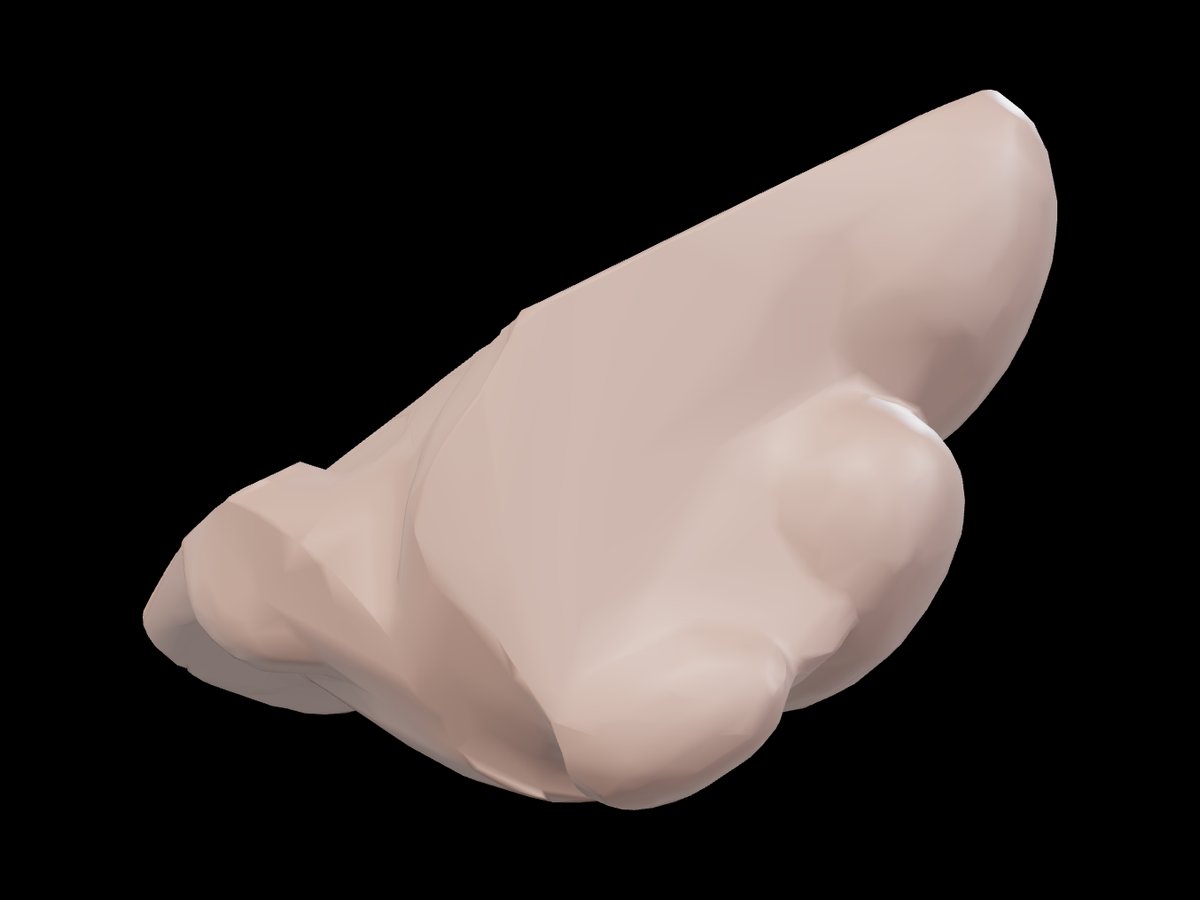
The medulla oblongata is the lowest part of the brainstem, continuous with the spinal cord. It contains vital centres controlling breathing, heart rate and blood pressure.
Other names: Moëlle allongée (French) · Bulbo raquídeo (Spanish) · Medula oblongata (Portuguese)
Key facts
- Type
- Part of the brainstem (myelencephalon)
- Arterial supply
- Vertebral, anterior spinal and posterior inferior cerebellar arteries
- Function
- Controls breathing, heart rate and blood pressure, swallowing, coughing and vomiting; relays all signals between brain and spinal cord.
Location and relations
From the lower border of the pons down to the foramen magnum, in front of the cerebellum and the lower fourth ventricle.
Parts and features
- Pyramids (front), with the crossing of the motor fibres below
- Olives (side)
- Nuclei of cranial nerves IX–XII
- Gracile and cuneate nuclei (back)
Clinical notes
- Lateral medullary (Wallenberg) syndrome causes vertigo, hoarseness, swallowing difficulty and crossed loss of pain sensation
- Downward pressure on it through the foramen magnum (tonsillar herniation) can stop breathing
Quick answers
Where is the medulla oblongata located?
From the lower border of the pons down to the foramen magnum, in front of the cerebellum and the lower fourth ventricle.
What does the medulla oblongata do?
Controls breathing, heart rate and blood pressure, swallowing, coughing and vomiting; relays all signals between brain and spinal cord.
What is the blood supply of the medulla oblongata?
Vertebral, anterior spinal and posterior inferior cerebellar arteries
Notes written for anatmy3d and checked against Gray’s Anatomy, Moore’s Clinically Oriented Anatomy and Netter. Last reviewed .