Multifidus lumborum muscle
Musculus multifidus lumborum
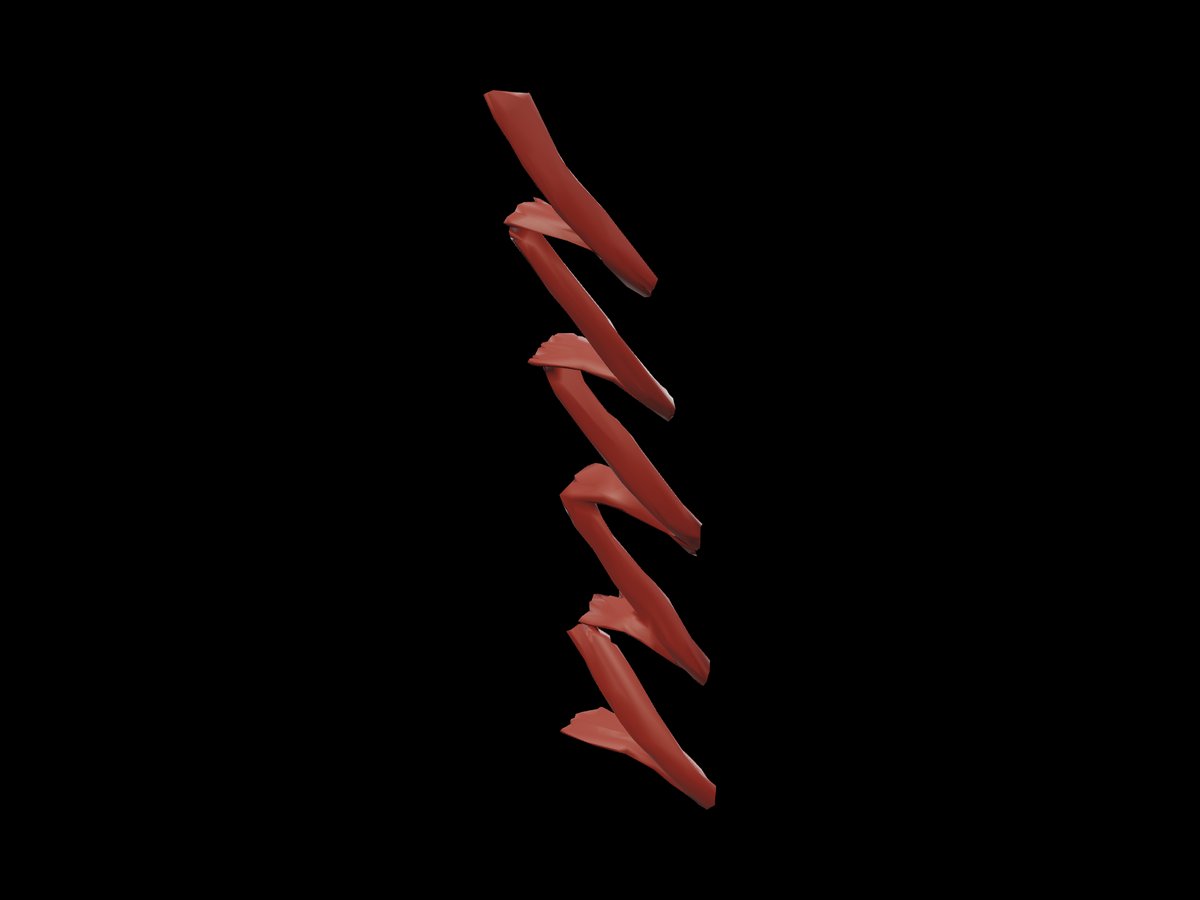
Multifidus lumborum is the largest and most important part of the multifidus: thick bundles from the sacrum and lumbar mammillary processes to the spinous processes two to four levels higher. It is the main segmental stabiliser of the lumbar spine.
Other names: Musculus multifidus lumborum (Latin) · Muscles multifides lombaire (French) · Músculo multifido lumbar (Spanish) · Músculo multífico lombar (Portuguese)
Key facts
- Origin
- Sacrum, posterior superior iliac spine and mammillary processes of the lumbar vertebrae
- Insertion
- Spinous processes 2–4 vertebrae higher
- Action
- Stabilises and extends the lumbar spine
- Nerve supply
- Posterior rami of the spinal nerves
- Arterial supply
- Lumbar arteries
- Function
- Extends and stabilises each lumbar segment, controlling movement between neighbouring vertebrae.
Location and relations
Deep in the lower back, in the groove beside the spinous processes, under longissimus.
Clinical notes
- Wasting and fatty change of lumbar multifidus is seen in chronic low back pain and on the side of a disc herniation
- A target of specific exercises in back rehabilitation
Quick answers
What are the origin and insertion of the multifidus lumborum muscle?
Origin: Sacrum, posterior superior iliac spine and mammillary processes of the lumbar vertebrae. Insertion: Spinous processes 2–4 vertebrae higher.
What does the multifidus lumborum muscle do?
Stabilises and extends the lumbar spine
What is the nerve supply of the multifidus lumborum muscle?
Posterior rami of the spinal nerves
What is the blood supply of the multifidus lumborum muscle?
Lumbar arteries
Where is the multifidus lumborum muscle located?
Deep in the lower back, in the groove beside the spinous processes, under longissimus.
Notes written for anatmy3d and checked against Gray’s Anatomy, Moore’s Clinically Oriented Anatomy and Netter. Last reviewed .