Obliquus inferior capitis muscle
Musculus obliquus inferior capitis
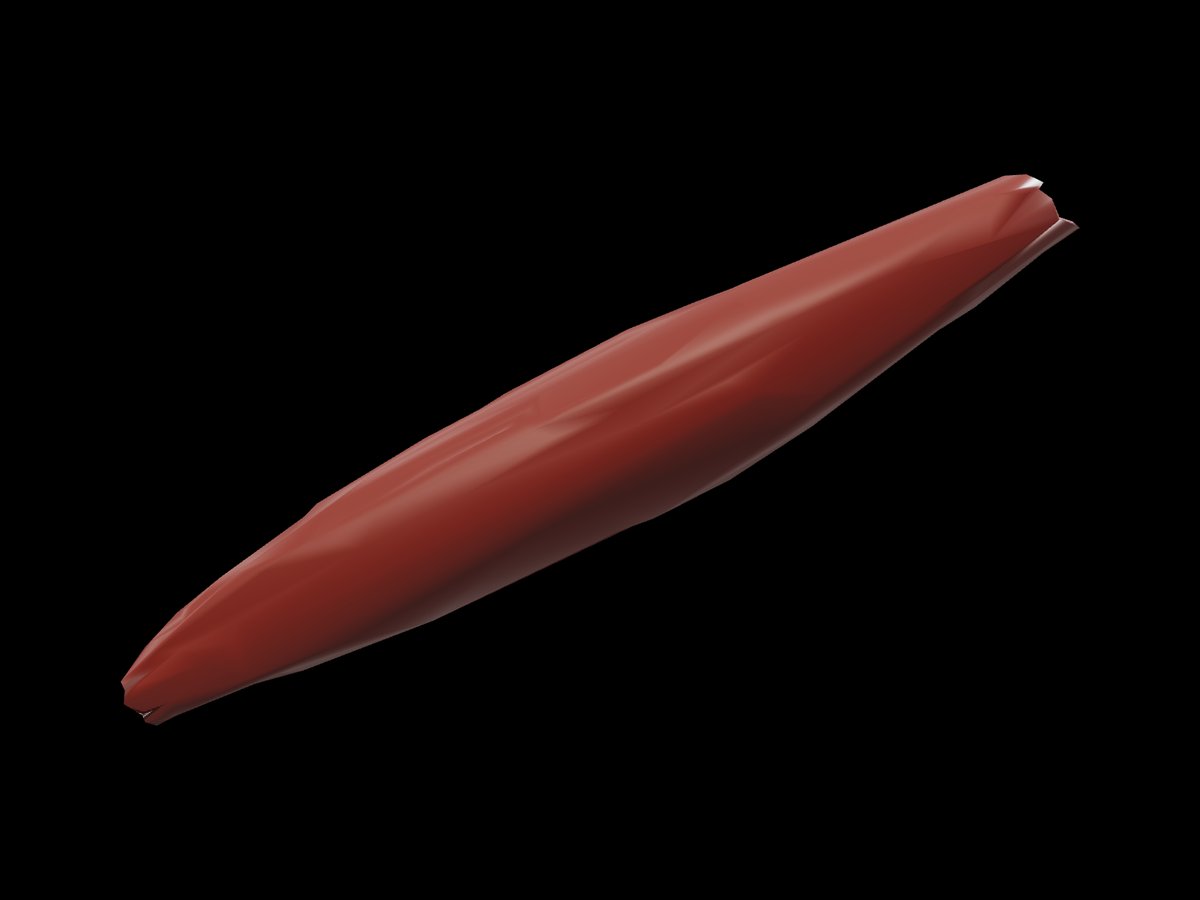
Obliquus capitis inferior runs from the spinous process of the axis to the transverse process of the atlas, the only "capitis" muscle that does not attach to the skull. It turns the atlas, and so the head, to the same side.
Other names: Musculus obliquus inferior capitis (Latin) · Muscle oblique inférieur de la tête (French) · Músculo oblicuo inferior de la cabeza (Spanish) · Músculo inferior oblíquo da cabeça (Portuguese)
Key facts
- Origin
- Spinous process of the axis (C2)
- Insertion
- Transverse process of the atlas (C1)
- Action
- Rotates the head to the same side at the atlanto-axial joint
- Nerve supply
- Suboccipital nerve (posterior ramus of C1)
- Arterial supply
- Vertebral and occipital arteries
- Function
- Rotates the atlas and head to the same side.
Location and relations
Lower boundary of the suboccipital triangle; the greater occipital nerve curls around its lower border.
Clinical notes
- The greater occipital nerve can be compressed near it, causing occipital neuralgia
Quick answers
What are the origin and insertion of the obliquus inferior capitis muscle?
Origin: Spinous process of the axis (C2). Insertion: Transverse process of the atlas (C1).
What does the obliquus inferior capitis muscle do?
Rotates the head to the same side at the atlanto-axial joint
What is the nerve supply of the obliquus inferior capitis muscle?
Suboccipital nerve (posterior ramus of C1)
What is the blood supply of the obliquus inferior capitis muscle?
Vertebral and occipital arteries
Where is the obliquus inferior capitis muscle located?
Lower boundary of the suboccipital triangle; the greater occipital nerve curls around its lower border.
Notes written for anatmy3d and checked against Gray’s Anatomy, Moore’s Clinically Oriented Anatomy and Netter. Last reviewed .