Digestive systemMajor salivary glands
Parotid gland
Glandula parotidea
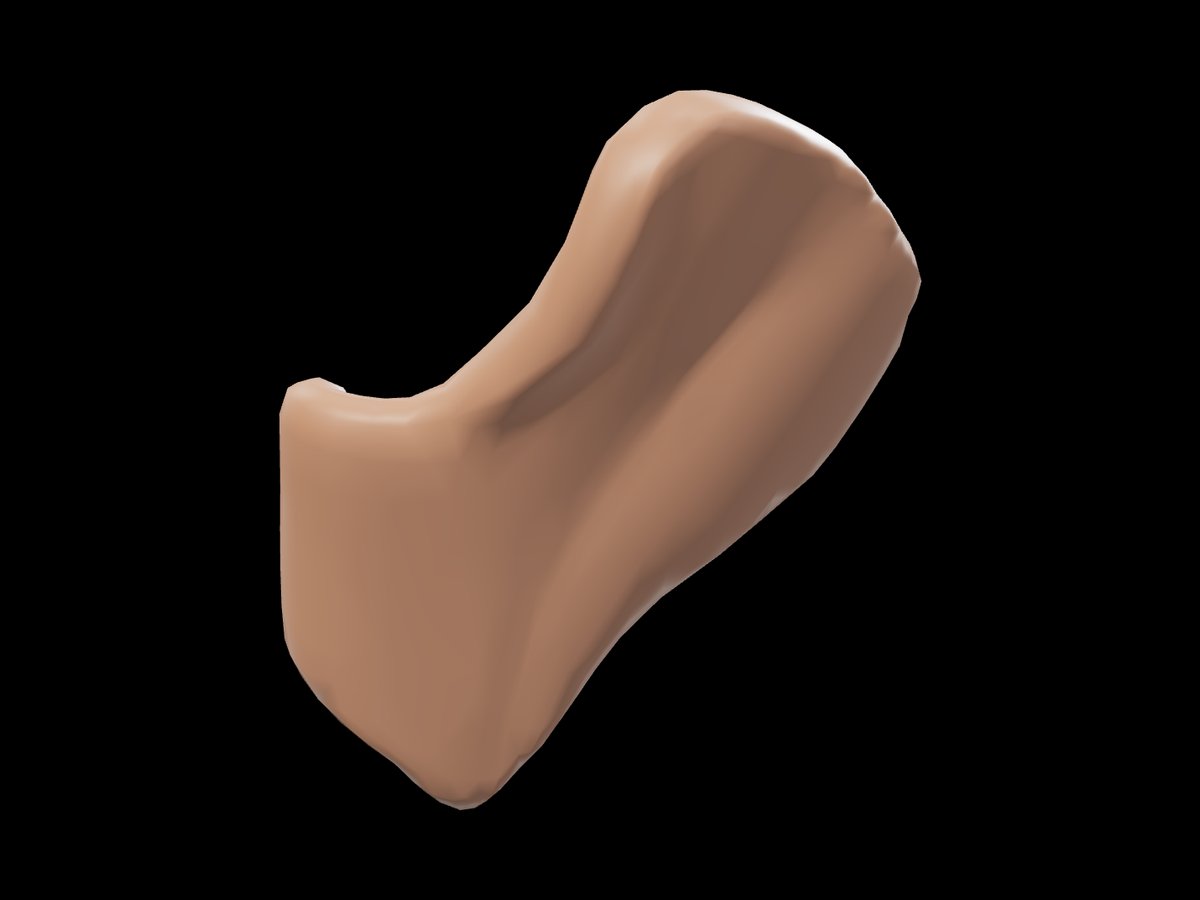
The parotid gland is the largest salivary gland. It lies in front of and below the ear, wrapped around the back of the mandible, and the facial nerve branches pass through it.
Other names: Glandula parotidea (Latin) · Glande parotide (French) · Glándula parótida (Spanish) · Glândula parótida (Portuguese)
Key facts
- Type
- Salivary gland (serous)
- Nerve supply
- Parasympathetic fibres from the glossopharyngeal nerve via the otic ganglion and auriculotemporal nerve; sensation from the great auricular and auriculotemporal nerves
- Arterial supply
- External carotid artery branches (superficial temporal, transverse facial)
- Function
- Produces watery saliva rich in amylase, secreted into the mouth through the parotid duct.
Location and relations
Between the ramus of the mandible and the mastoid process and ear canal, overlapping the masseter; the facial nerve divides within it, superficial to the retromandibular vein and external carotid artery.
Clinical notes
- Mumps causes painful swelling of both parotids
- Most salivary tumours arise here, usually benign (pleomorphic adenoma); surgery must protect the facial nerve
- After parotid surgery, sweating of the cheek when eating can develop (Frey syndrome)
Quick answers
Where is the parotid gland located?
Between the ramus of the mandible and the mastoid process and ear canal, overlapping the masseter; the facial nerve divides within it, superficial to the retromandibular vein and external carotid artery.
What does the parotid gland do?
Produces watery saliva rich in amylase, secreted into the mouth through the parotid duct.
What is the nerve supply of the parotid gland?
Parasympathetic fibres from the glossopharyngeal nerve via the otic ganglion and auriculotemporal nerve; sensation from the great auricular and auriculotemporal nerves
What is the blood supply of the parotid gland?
External carotid artery branches (superficial temporal, transverse facial)
Notes written for anatmy3d and checked against Gray’s Anatomy, Moore’s Clinically Oriented Anatomy and Netter. Last reviewed .