Soft palate
Palatum molle
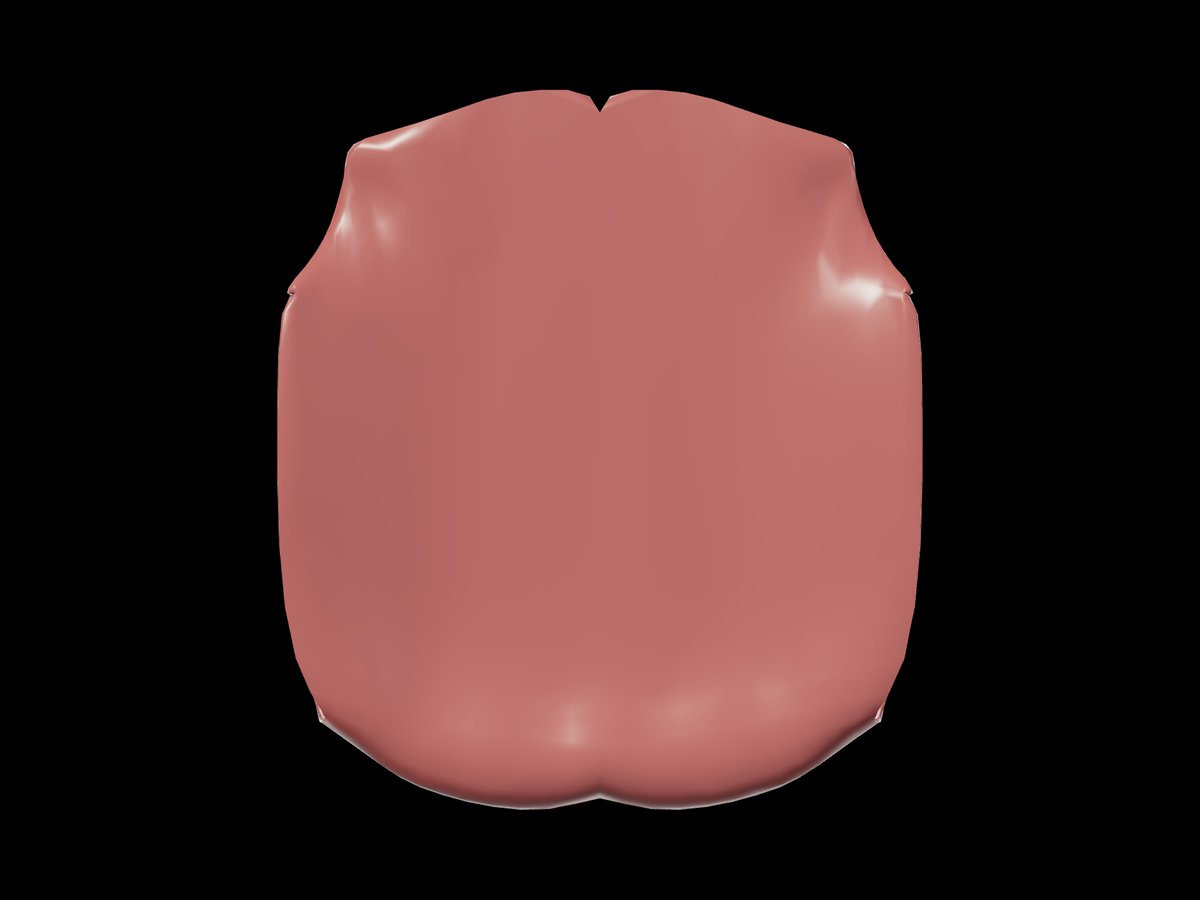
The soft palate is the movable muscular back part of the roof of the mouth. It rises during swallowing and speech to close off the nose from the throat.
Other names: Palatum molle (Latin) · Palais mou (French) · Paladar blando (Spanish) · Palato mole (Portuguese)
Key facts
- Type
- Muscular fold of the palate
- Nerve supply
- Vagus nerve (pharyngeal plexus) except tensor veli palatini (mandibular nerve)
- Arterial supply
- Lesser palatine, ascending palatine and ascending pharyngeal arteries
- Function
- Seals the nasopharynx during swallowing and speech; helps open the auditory tube.
Location and relations
Hangs from the back edge of the hard palate between the mouth and nasopharynx, ending in the uvula; the palatoglossal and palatopharyngeal arches curve down from it on each side.
Parts and features
Tensor veli palatini, levator veli palatini, palatoglossus, palatopharyngeus, musculus uvulae
Clinical notes
- In cleft palate the soft palate cannot seal, causing nasal speech and fluid coming out of the nose; it is repaired in infancy
- With vagus nerve damage, the soft palate is pulled towards the healthy side when saying "ah"
Quick answers
Where is the soft palate located?
Hangs from the back edge of the hard palate between the mouth and nasopharynx, ending in the uvula; the palatoglossal and palatopharyngeal arches curve down from it on each side.
What does the soft palate do?
Seals the nasopharynx during swallowing and speech; helps open the auditory tube.
What is the nerve supply of the soft palate?
Vagus nerve (pharyngeal plexus) except tensor veli palatini (mandibular nerve)
What is the blood supply of the soft palate?
Lesser palatine, ascending palatine and ascending pharyngeal arteries
Notes written for anatmy3d and checked against Gray’s Anatomy, Moore’s Clinically Oriented Anatomy and Netter. Last reviewed .