Digestive systemMajor salivary glands
Submandibular gland
Glandula submandibularis
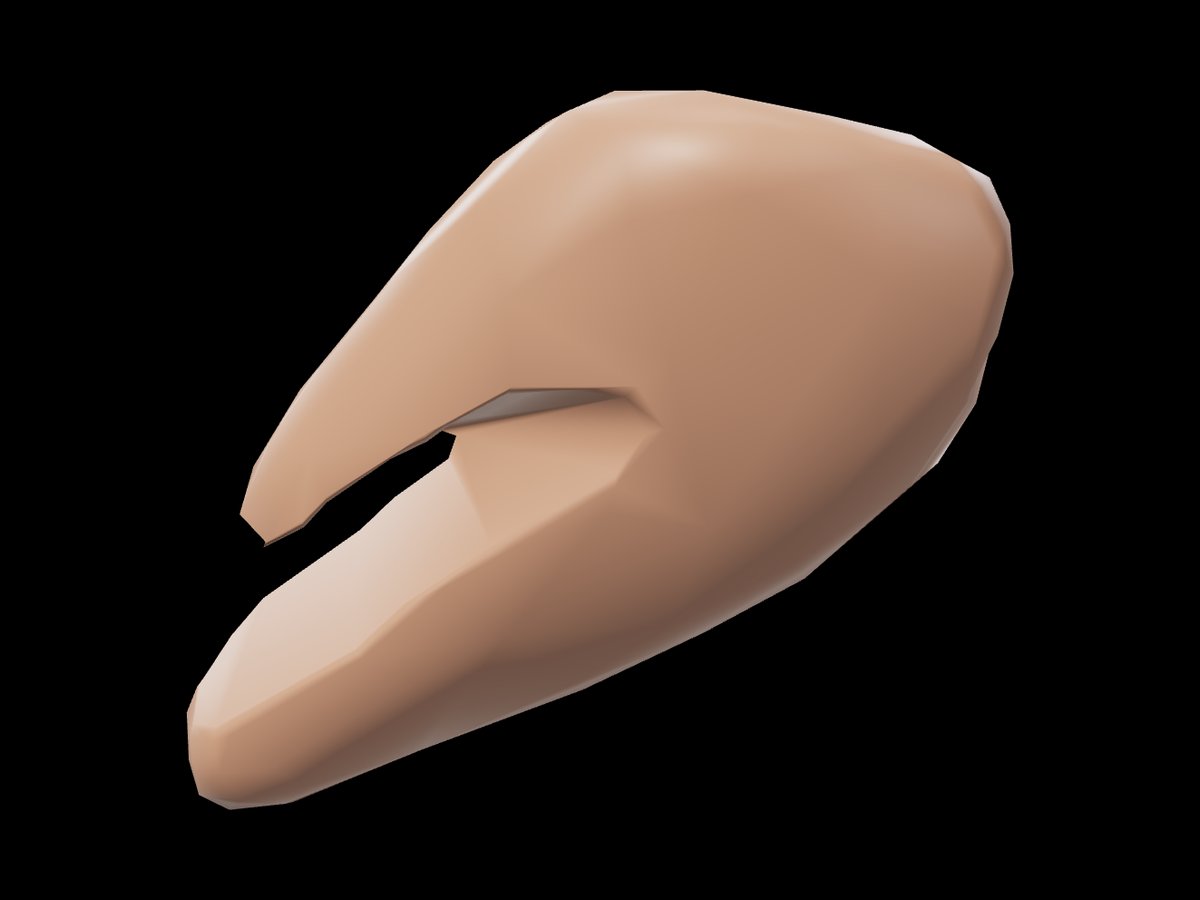
The submandibular gland is a walnut-sized salivary gland under the jaw. It produces most of the saliva at rest.
Other names: Glandula submandibularis (Latin) · Glande submandibulaire (French) · Glándula submandibular (Spanish) · Glândula submandibular (Portuguese)
Key facts
- Type
- Salivary gland (mixed serous and mucous)
- Nerve supply
- Parasympathetic fibres from the facial nerve via the chorda tympani, lingual nerve and submandibular ganglion
- Arterial supply
- Facial artery
- Function
- Produces about two-thirds of resting saliva.
Location and relations
In the submandibular triangle below the body of the mandible, wrapped around the back edge of mylohyoid, with a superficial and a deep part; the facial artery grooves it.
Clinical notes
- The commonest site of salivary stones, causing painful swelling of the gland with meals
- When removed, the marginal mandibular branch of the facial nerve, the lingual nerve and the hypoglossal nerve must be protected
Quick answers
Where is the submandibular gland located?
In the submandibular triangle below the body of the mandible, wrapped around the back edge of mylohyoid, with a superficial and a deep part; the facial artery grooves it.
What does the submandibular gland do?
Produces about two-thirds of resting saliva.
What is the nerve supply of the submandibular gland?
Parasympathetic fibres from the facial nerve via the chorda tympani, lingual nerve and submandibular ganglion
What is the blood supply of the submandibular gland?
Facial artery
Notes written for anatmy3d and checked against Gray’s Anatomy, Moore’s Clinically Oriented Anatomy and Netter. Last reviewed .