Pectineus muscle
Musculus pectineus
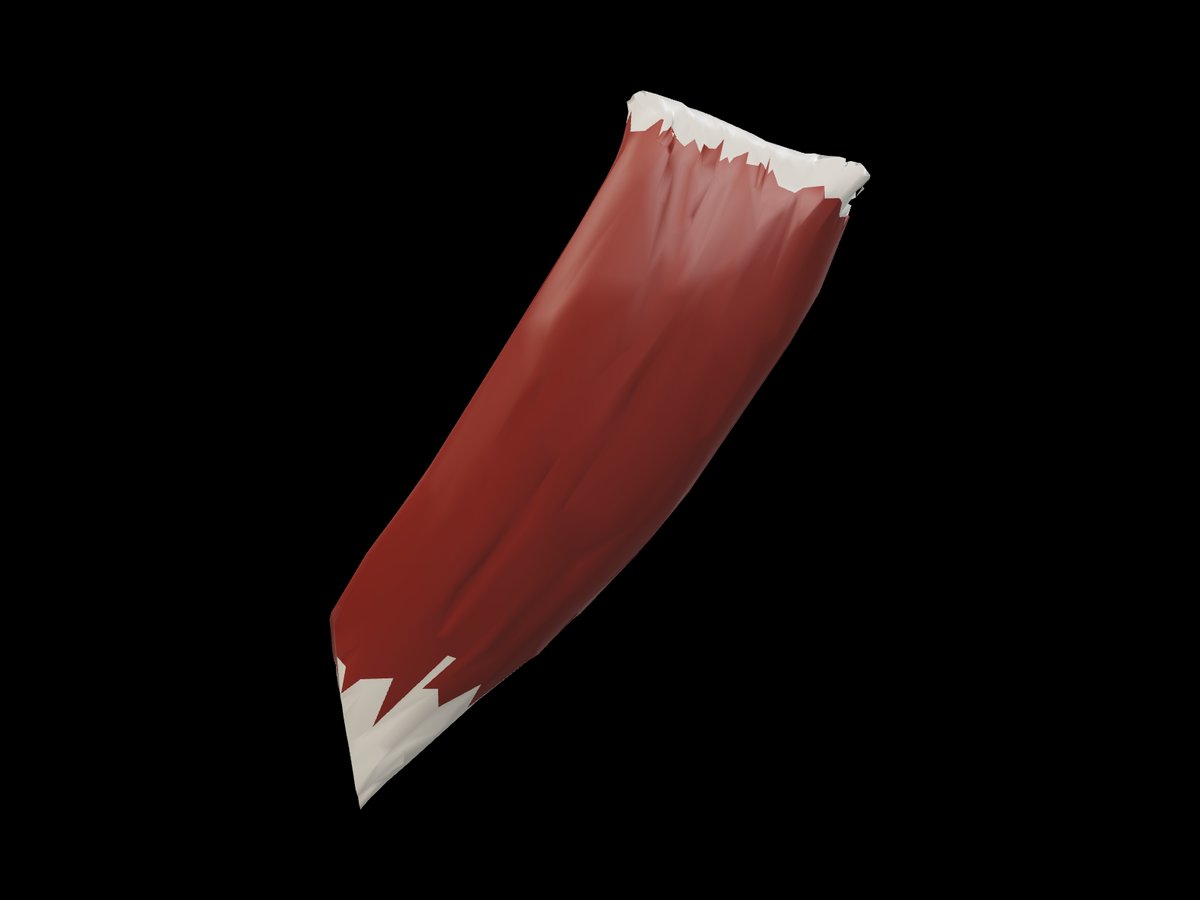
Pectineus is a flat, quadrangular muscle at the top of the inner thigh, running from the pecten of the pubis to just below the lesser trochanter. It forms part of the floor of the femoral triangle.
Other names: Musculus pectineus (Latin) · Muscle pectiné (French) · Músculo pectíneo (Spanish, Portuguese)
The same notes are on the main page: Pectineus muscle (Muscles).
Key facts
- Origin
- Pectineal line of the superior pubic ramus
- Insertion
- Pectineal line of the femur, below the lesser trochanter
- Action
- Adducts and flexes the thigh
- Nerve supply
- Femoral nerve (L2–L3), sometimes also the obturator nerve
- Arterial supply
- Medial circumflex femoral and obturator arteries
- Function
- Adducts and flexes the hip.
Location and relations
Upper medial thigh between iliopsoas and adductor longus.
Clinical notes
- Often has a dual nerve supply (femoral and obturator nerves)
- Forms the floor of the femoral triangle beneath the femoral vein
Quick answers
What are the origin and insertion of the pectineus muscle?
Origin: Pectineal line of the superior pubic ramus. Insertion: Pectineal line of the femur, below the lesser trochanter.
What does the pectineus muscle do?
Adducts and flexes the thigh
What is the nerve supply of the pectineus muscle?
Femoral nerve (L2–L3), sometimes also the obturator nerve
What is the blood supply of the pectineus muscle?
Medial circumflex femoral and obturator arteries
Where is the pectineus muscle located?
Upper medial thigh between iliopsoas and adductor longus.
Notes written for anatmy3d and checked against Gray’s Anatomy, Moore’s Clinically Oriented Anatomy and Netter. Last reviewed .