MusclesSuperficial part of the posterior compartment of the leg
Plantaris muscle
Musculus plantaris
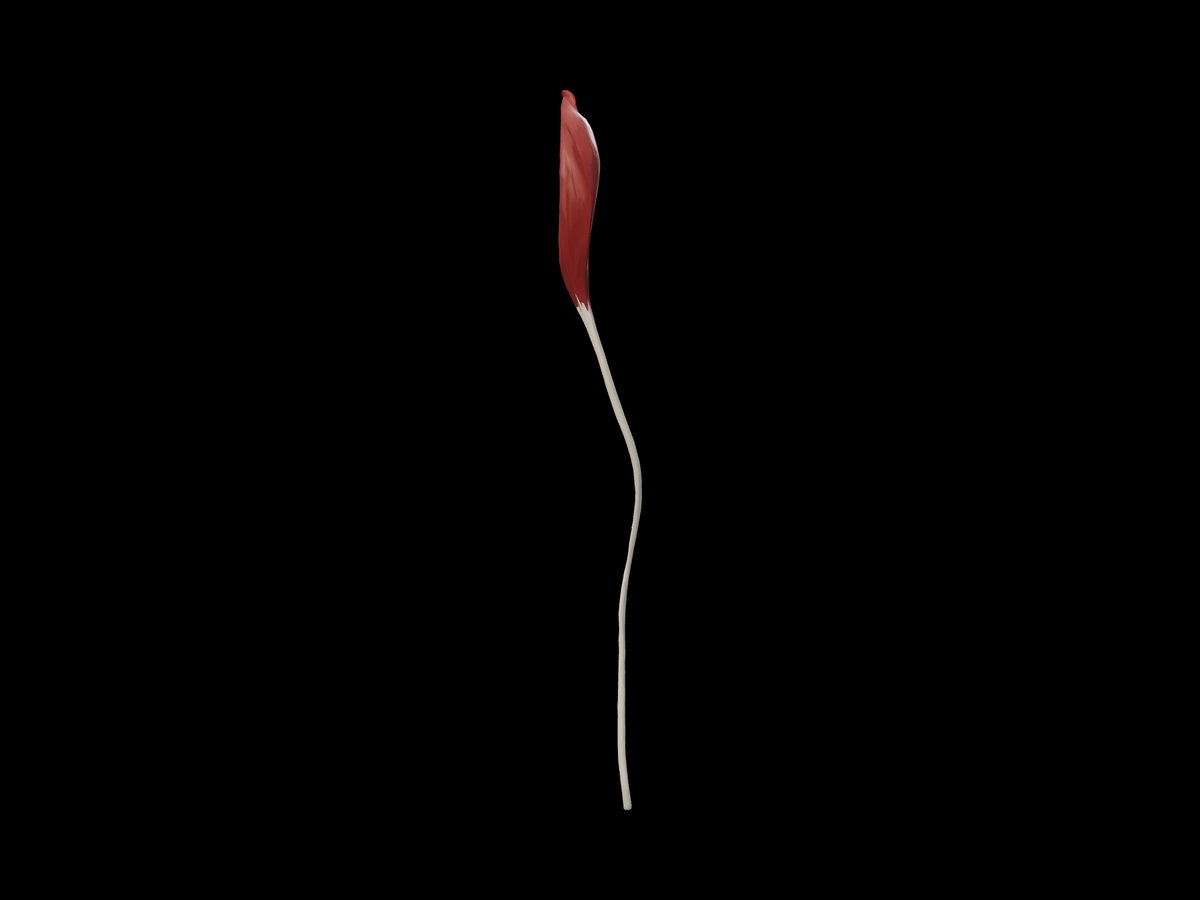
Plantaris is a small muscle with a very long, thin tendon running between gastrocnemius and soleus to the calcaneus. It is absent in about 10% of people.
Other names: Musculus plantaris (Latin) · Muscle plantaire (French) · Músculo plantar (Spanish, Portuguese)
Key facts
- Origin
- Lateral supracondylar line of the femur and oblique popliteal ligament
- Insertion
- Posterior calcaneus, beside or with the calcaneal tendon
- Action
- Weakly assists gastrocnemius in plantar flexion and knee flexion
- Nerve supply
- Tibial nerve (S1–S2)
- Arterial supply
- Sural arteries
- Function
- Weakly assists plantarflexion and knee flexion.
Location and relations
Behind the knee, from above the lateral femoral condyle; its tendon descends along the medial side of the calcaneal tendon.
Clinical notes
- Its long tendon is a useful graft for tendon reconstruction
- Rupture is a cause of sudden calf pain mimicking a calf tear
Quick answers
What are the origin and insertion of the plantaris muscle?
Origin: Lateral supracondylar line of the femur and oblique popliteal ligament. Insertion: Posterior calcaneus, beside or with the calcaneal tendon.
What does the plantaris muscle do?
Weakly assists gastrocnemius in plantar flexion and knee flexion
What is the nerve supply of the plantaris muscle?
Tibial nerve (S1–S2)
What is the blood supply of the plantaris muscle?
Sural arteries
Where is the plantaris muscle located?
Behind the knee, from above the lateral femoral condyle; its tendon descends along the medial side of the calcaneal tendon.
Notes written for anatmy3d and checked against Gray’s Anatomy, Moore’s Clinically Oriented Anatomy and Netter. Last reviewed .