Joints and ligamentsKnee joint
Oblique popliteal ligament
Ligamentum popliteum obliquum
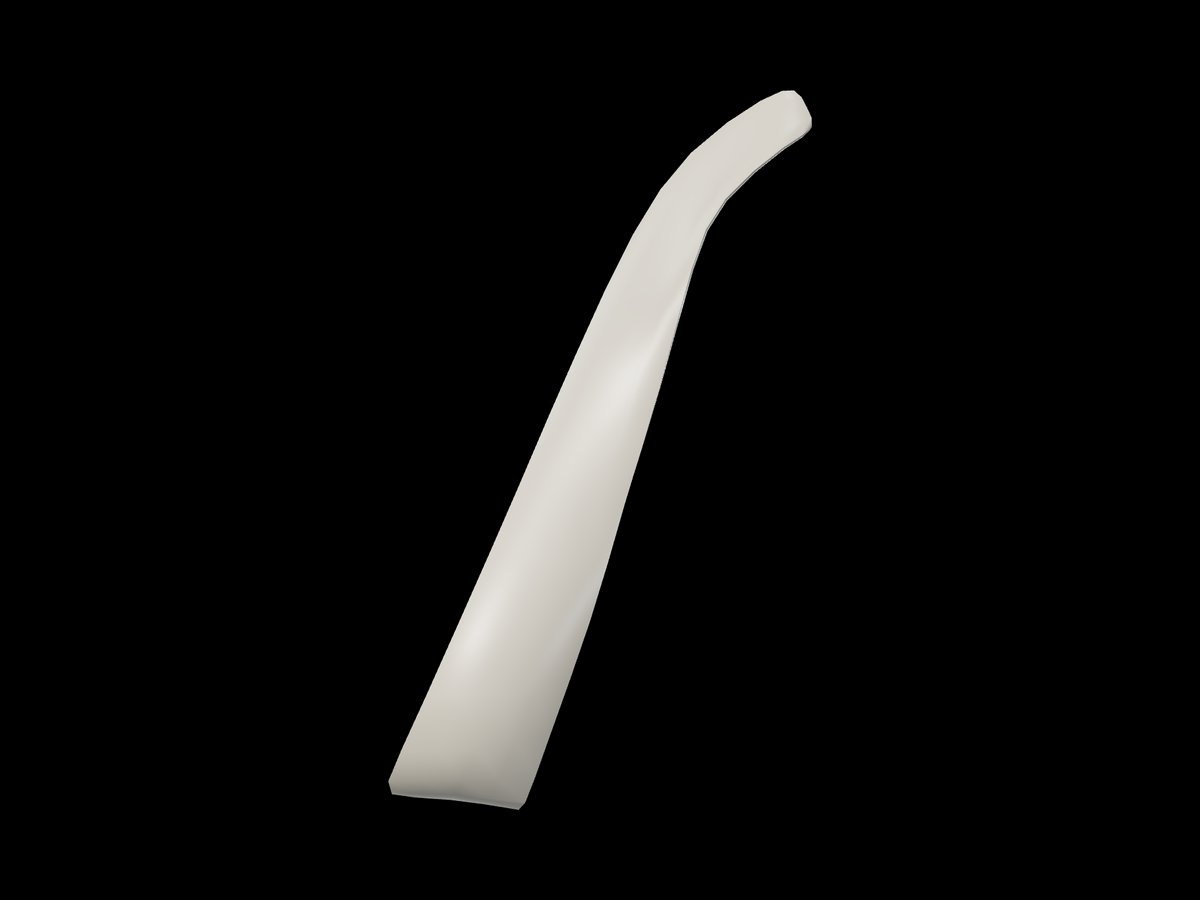
The oblique popliteal ligament is an expansion of the semimembranosus tendon that runs up and outwards across the back of the knee capsule.
Other names: Ligamentum popliteum obliquum (Latin) · Ligament poplité oblique (French) · Ligamento poplíteo oblicuo (Spanish) · Ligamento poplíteo oblíquo (Portuguese)
Key facts
- Type
- Capsular ligament (tendon expansion)
- Function
- Strengthens the back of the capsule; resists hyperextension and lateral rotation.
Location and relations
Back of the knee, from the semimembranosus insertion towards the lateral femoral condyle; it forms part of the floor of the popliteal fossa, and the popliteal artery lies on it.
Clinical notes
- The popliteal artery lies directly on it and can be injured in knee dislocations and fractures
- Pierced by the middle genicular artery and branches of the obturator and tibial nerves
Quick answers
Where is the oblique popliteal ligament located?
Back of the knee, from the semimembranosus insertion towards the lateral femoral condyle; it forms part of the floor of the popliteal fossa, and the popliteal artery lies on it.
What does the oblique popliteal ligament do?
Strengthens the back of the capsule; resists hyperextension and lateral rotation.
Notes written for anatmy3d and checked against Gray’s Anatomy, Moore’s Clinically Oriented Anatomy and Netter. Last reviewed .