Brain and spinal cordParietal lobe
Postcentral gyrus
Gyrus postcentralis
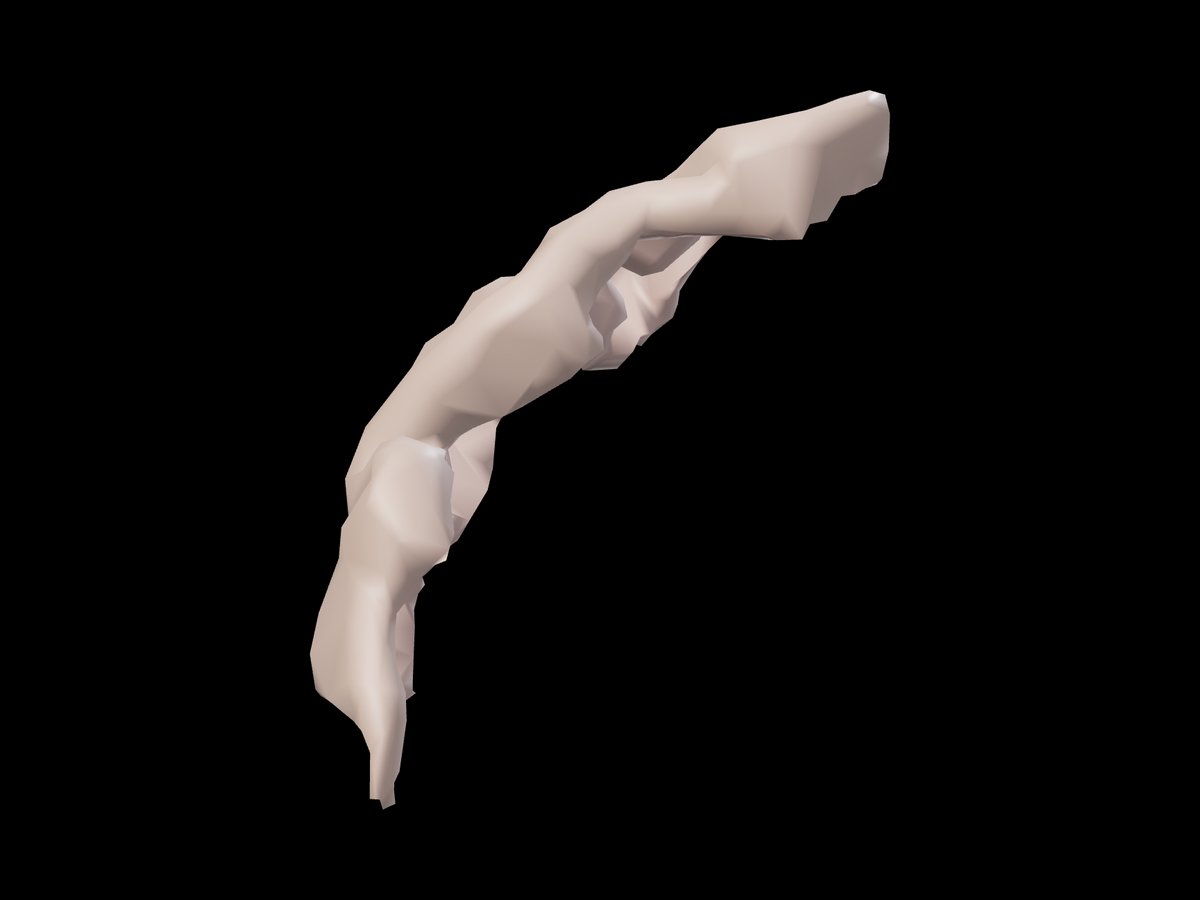
The postcentral gyrus is the primary somatosensory cortex. It receives touch, pressure, vibration, position and pain signals from the opposite side of the body, mapped from the leg near the top to the face near the bottom.
Other names: Gyrus postcentralis (Latin) · Gyrus postcentral (French) · Giro poscentral (Spanish) · Giro pós-central (Portuguese)
Key facts
- Type
- Gyrus of the parietal lobe (Brodmann areas 3, 1, 2)
- Arterial supply
- Middle cerebral artery (face, arm); anterior cerebral artery (leg)
- Function
- Conscious perception and localisation of body sensations.
Location and relations
Directly behind the central sulcus.
Clinical notes
- Damage causes loss of fine sensation on the opposite side, such as inability to recognise objects by touch (astereognosis) or numbers drawn on the skin
- Seizures here cause tingling that can spread across the body
Quick answers
Where is the postcentral gyrus located?
Directly behind the central sulcus.
What does the postcentral gyrus do?
Conscious perception and localisation of body sensations.
What is the blood supply of the postcentral gyrus?
Middle cerebral artery (face, arm); anterior cerebral artery (leg)
Notes written for anatmy3d and checked against Gray’s Anatomy, Moore’s Clinically Oriented Anatomy and Netter. Last reviewed .